Transform Your Tomato Harvest: The Surprising Benefits of Using Fish Scraps
Despite my enthusiasm for growing vegetables, my tomato plants have had a rough season. I followed advice from an Italian farmer and implemented a three-step pruning approach, but success remained elusive. Seeking additional strategies, I stumbled upon a frugal yet smart hack—using fish scraps to boost my tomato plants.
How Does It Work?
@selfsufficientme What was the last experiment you did in your garden?
♬ original sound - Self Sufficient Me
Mark Valencia, a TikTok creator known as @selfsufficientme, has captivated over 230,000 followers with tips like this. His video, boasting over 3 million views, demonstrates a simple experiment: burying fish scraps next to his tomato plants to assess their impact on growth compared to plants without this addition. This idea is particularly appealing for home gardeners looking to maximize growth while minimizing expenses.
Initially, the plants without fish heads seemed to outperform the others, even yielding ripe tomatoes first. This initial observation might lead some to dismiss the method outright, but as time passed, the dynamics shifted. Mark noted, "Once both produced tomatoes, the difference became clear. The plants with fish heads yielded more fruit and exhibited healthier foliage, while those without started to decline and produce less." The fish scraps acted as a slow-release fertilizer, enriching the soil as they decomposed and supplying essential nutrients like phosphorus and potassium. This insight illustrates not just the viability of the approach, but also highlights the importance of patience when experimenting in gardening.
Here’s What Happened When I Tried It
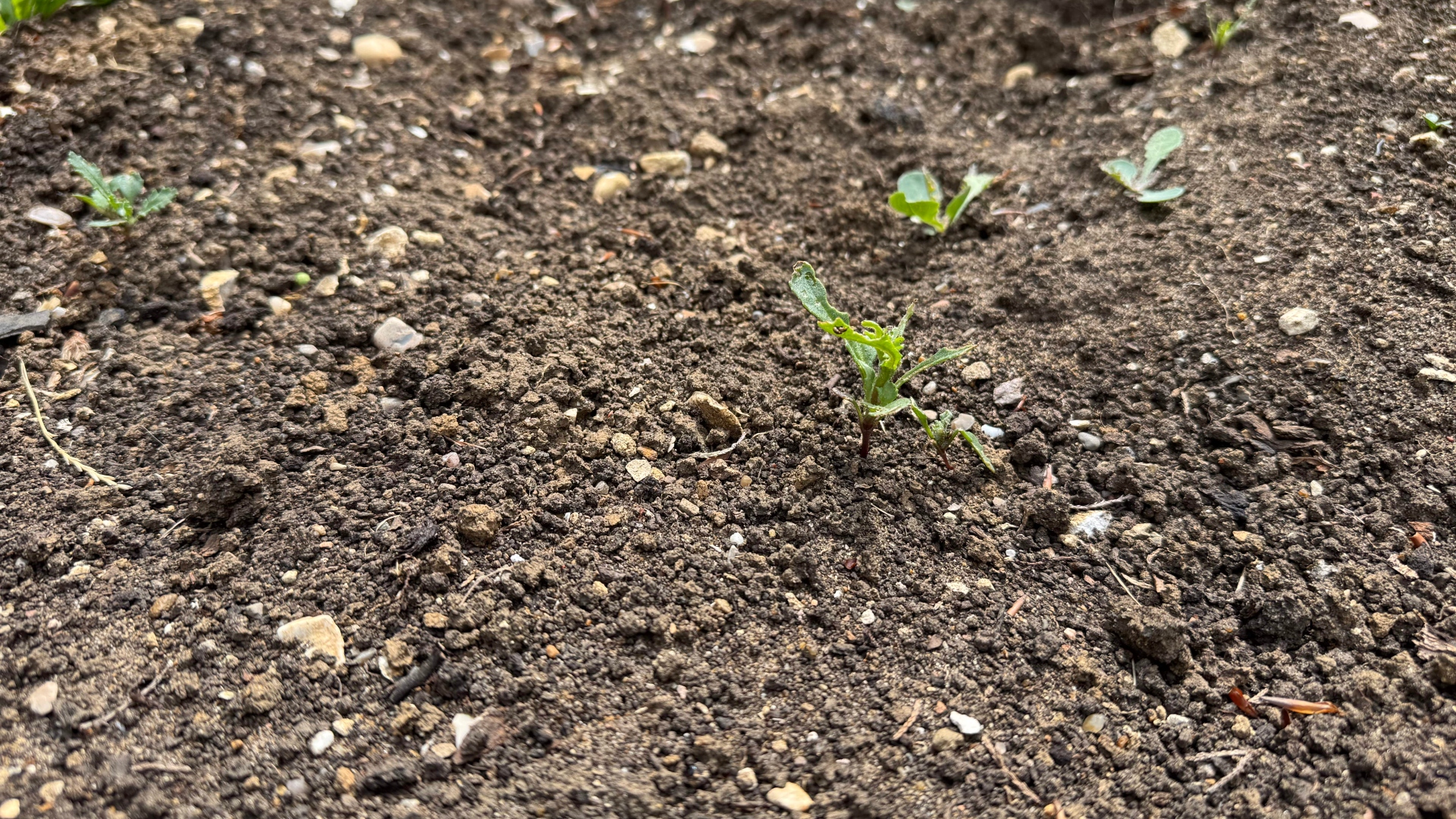
Initially, I found the idea of using fish scraps off-putting. Handling raw fish isn't part of my usual gardening routine, but with summer grilling plans in motion, I decided to save my scraps this time. Resisting the urge to purchase commercial fish emulsion, I instead prepared fresh fish leftovers for my garden, burying them where I planted my tomatoes. This decision reflected both a desire to reduce waste and an interest in exploring an unconventional method that might yield surprising results.
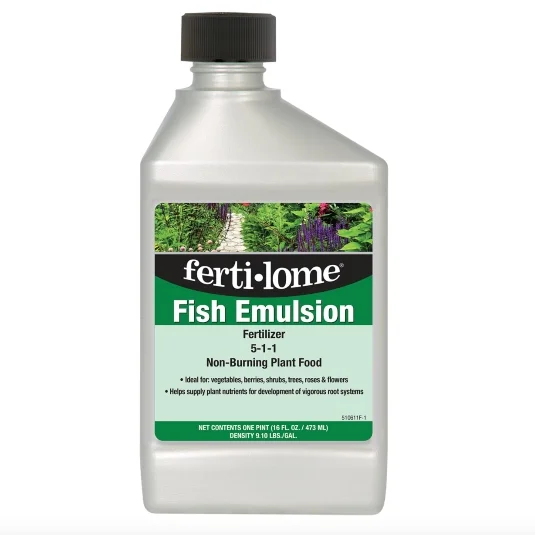
If you're interested in a less hands-on approach, you can opt for fish emulsion fertilizer which you dilute before use on your plants. This option's great for those who want to avoid the mess but still want to partake in the nutritional benefits of fish for their garden.
While it will take time to see the final results, the process was simple and waste-free, allowing me to utilize every part of the fish. Plus, there's the bonus of enjoying grilled fish while nurturing my garden. That adds a little more satisfaction to the labor. For now, I'm optimistic that this experiment will lead to a bountiful tomato harvest in the coming months, without the worry of any fishy flavor in the end product. (and this is the part most people overlook) The idea of creating a sustainable cycle between food preparation and gardening resonates strongly with eco-conscious practices we often hear about but are slow to adopt.
Implications and Future Outlook
What does this creative use of kitchen scraps mean for home gardening and sustainable practices? For one, it highlights an underappreciated aspect of gardening: recycling organic waste can yield tangible benefits. As urban living increases, many people face space constraints, making traditional composting practices less practical. Using fish scraps directly in your garden offers a resourceful alternative.
Moreover, this approach may attract a broader audience to gardening, especially those who are looking for cost-effective ways to improve their yields. If you're working in this space, this trend could signify a shift toward more homemade, scrappy, and savvy gardening methods. The community of novice gardeners may be growing, driven by individuals eager to embrace practical solutions over expensive commercial products.
In an age where sustainability and environmental awareness are gaining traction, methods like burying fish scraps could promote not just better plant health but also a heightened mindfulness about the ecological impact of our gardening practices. It's worth considering that as more people adopt similar methods, we could start to see broader shifts in how we discuss food waste and its role in sustainable living. Will such actions become a common practice for home gardeners? Only time will tell.