Combat Summer Mold: Effective Solutions for Homeowners Facing Moisture Issues
Understanding Mold's Summer Surge
As temperatures rise, our focus often shifts to air conditioning settings and yard care. Yet, there's a hidden adversary flourishing in the heat and humidity: mold. In warm, damp environments, mold spores can rapidly develop, transforming cozy bathrooms into hotspots for unwelcome growth that can spread through a household in a matter of days.
While inadequate cleaning certainly contributes to the issue, the situation usually escalates due to how sealants perform under stress. Homeowners might think a thorough cleaning can solve the mold problem, but the reality is more complex. The real culprit behind persistent mold issues could be as simple as damaged caulking, often overlooked until it’s too late.
The Link Between Damaged Caulking and Mold Growth
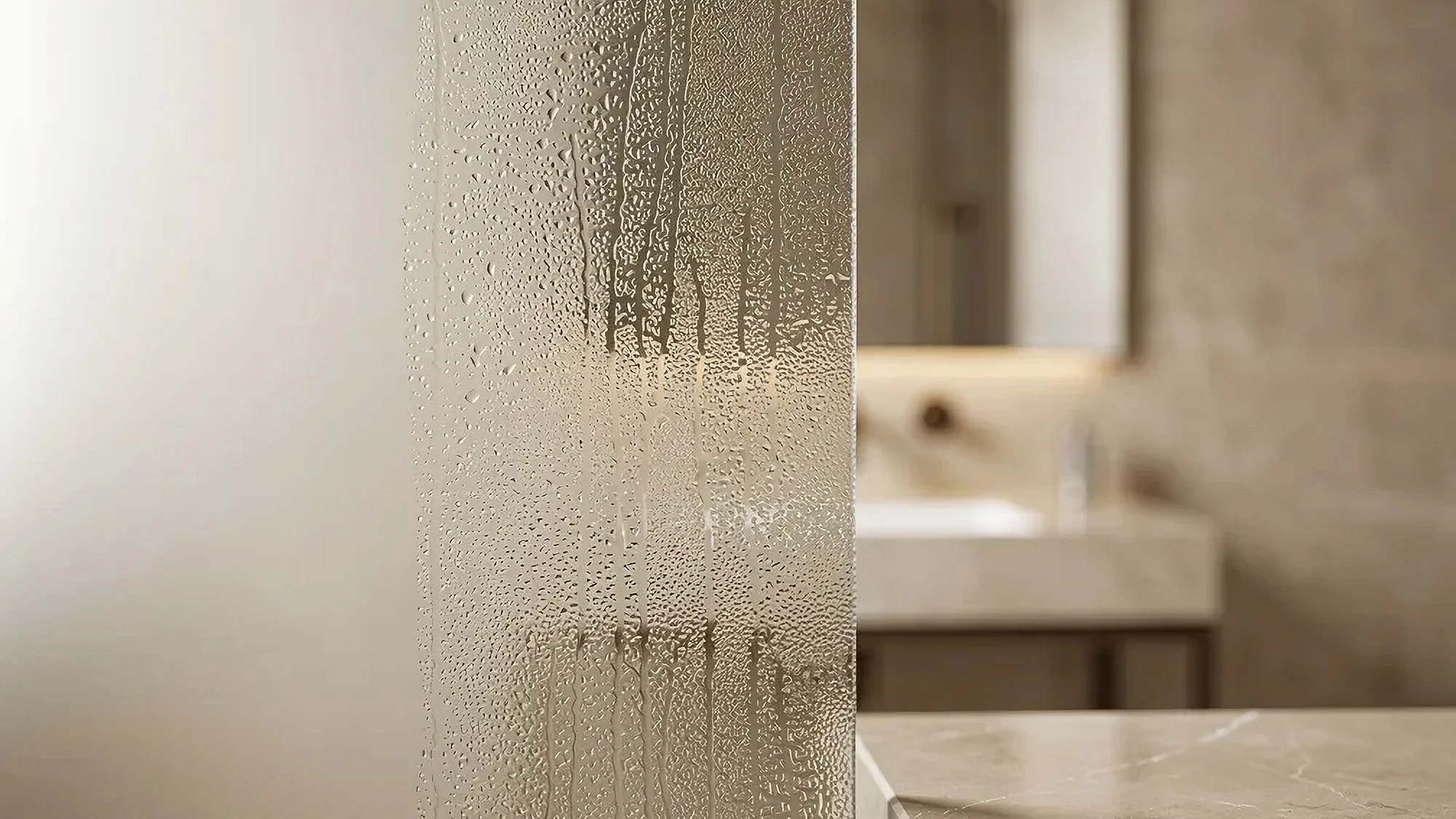
As Guy Chapman, a silicone sealant expert at United Silicones, explains, mold thrives when moisture seeps behind caulking. When sealants are installed properly, they should prevent moisture intrusion completely. However, factors like age, wear, and environmental stress can significantly degrade even high-quality sealants over time.
“Standard bathroom sealant can shrink, stiffen, and pull away at the edges, often without any visible signs,” Chapman points out. This gradual degradation leads to unseen gaps where moisture can accumulate. This trapped moisture creates an ideal breeding ground for mold, rendering simple surface cleaning ineffective. As mold grows, it releases spores that can cause health issues, exacerbating allergies and respiratory problems for some individuals.
When Mold Becomes Permanent
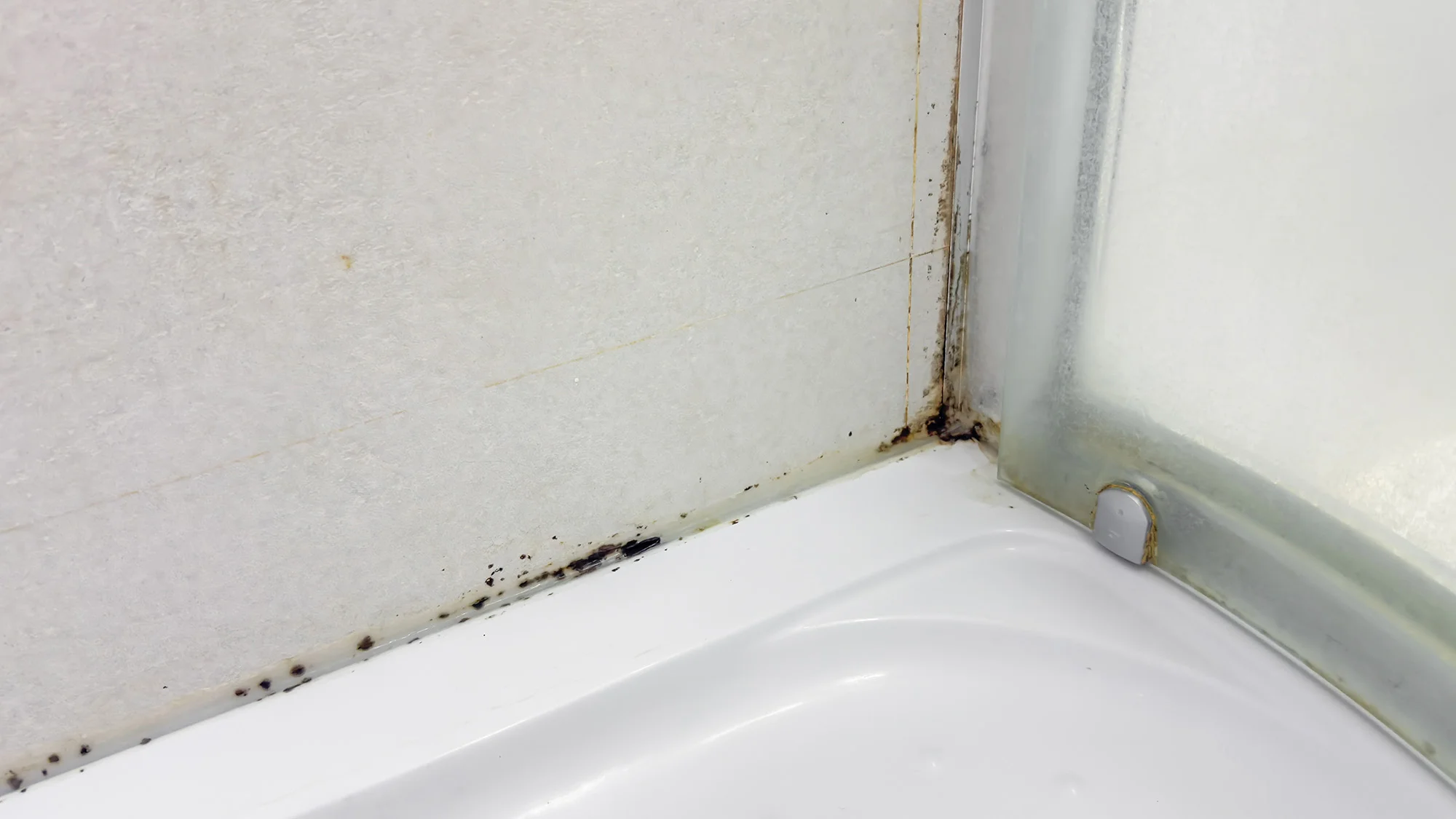
Most homeowners might not notice the problem until about 6-12 months post-installation, which often means the mold has had ample time to settle in. High humidity during heatwaves can exacerbate the situation, leading to an environment that promotes permanent mold growth as temperatures drop, creating further condensation issues. Once mold takes hold, remediation can be expensive and labor-intensive, often requiring professional cleaning services or even replacement of fixtures.
Practical Solutions to Combat Mold
Instead of the laborious task of removing old caulking, Chapman recommends an efficient alternative: self-adhesive silicone bath strips. These strips create a physical barrier that prevents water from reaching the deteriorating caulk beneath. This solution not only saves time but also helps mitigate future mold growth.
“Applying these strips effectively seals the joint, eliminating moisture access,” he notes. However, proper installation is critical for optimal performance. Rushing through the application can negate the benefits, potentially allowing mold to thrive again.
Installation Guidelines for Silicone Strips
- Ensure Cleanliness: Clean the area thoroughly and allow the edge of the bath to dry for at least 12 hours to avoid trapped moisture. This preparation step is vital as any leftover moisture can compromise the seal.
- Apply with Care: Adhere the silicone strip over the existing sealant, pressing firmly to create a tight, waterproof seal. Proper alignment matters, so take your time to ensure it’s placed correctly along the seams.
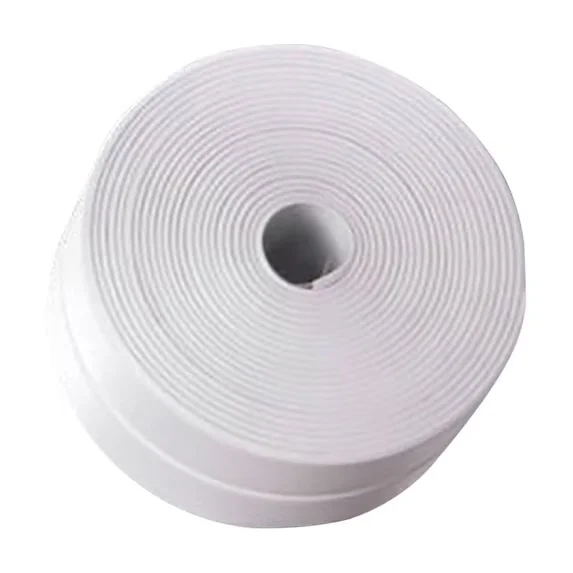
These self-adhesive silicone caulk strips are moisture-resistant, suitable for use around baths, sinks, and countertops, with an easy peel-and-stick application. View Deal
Advantages of Silicone Strips Over Sealant
Chapman points out that silicone strips outperform traditional sealants by not shrinking or cracking over time. Once applied, they create a consistent moisture barrier, maintaining flexibility despite continuous exposure to water, which enhances their reliability.
“For less than the cost of a coffee, you’re effectively addressing mold issues at their source,” he concludes. This preventive measure stands as a practical and efficient solution to managing moisture problems within your home. If you’re dealing with troublesome leaks or mold growth, opting for these strips might save you a headache down the line.
Implications and Future Outlook
As mold becomes an increasing concern for homeowners, it's clear that quick fixes are no longer sufficient. The implications of mold exposure on health and home integrity leave little room for complacency. More homeowners are expected to turn to reliable alternatives like silicone strips, and the market may see an influx of innovative products tailored to mold prevention.
What this means for you is simple: if you're working in this space, either as a homeowner or a service provider, emphasizing preventive measures could pay dividends. Addressing the mold issue before it escalates won't just save money; it can also lead to peace of mind knowing you've taken proactive steps against a common household threat. Plus, with the rise in awareness surrounding mold health issues, businesses that provide effective, efficient solutions will find themselves in high demand.