From Prototype to Play: E-Ink Dev Kit Powers Unique Game Boy Emulator
Wenting Zhang, a prominent figure among hardware enthusiasts, has creatively repurposed the M5Stack PaperS3, an e-ink development kit, into a makeshift Game Boy. If you’re unfamiliar with Modos Labs and Zhang's "Wenting Channel" on YouTube, he’s been showcasing various hardware modifications that have garnered attention in niche tech communities. But this recent project isn't just another entry in his impressive portfolio; it stands at the intersection of nostalgia and modern technological adaptation, sparking interest from gamers and developers alike.
Emulator Project Overview
This emulator project stands out for several reasons. While it can’t run physical cartridges, suffers from basic sound quality, and occasionally lags, it demonstrates significant potential. Unlike mainstream console chips, this device is powered by an ESP32-S3 microcontroller, a modest, cost-effective chip with a dual-core setup clocked in the hundreds of MHz. This makes the feat particularly impressive for an emulation project, which typically demands considerable processing power to reproduce the original gaming environment. The PaperS3's e-Ink display, typically not designed for the rapid refresh rates demanded by gaming, presents another hurdle that Zhang overcame. Delivering the kind of responsive experience gamers expect from a handheld console was no small task.
Innovative Engineering Behind the Emulator
The creative solution behind this emulator lies in Zhang's earlier work with E-Ink technology, specifically with the Modos Flow open-source monitor project. He revolutionized how e-Ink displays function by substituting the standard display controller with an FPGA—Field Programmable Gate Array—allowing each pixel to act independently. This innovation fundamentally transforms how we might think about display technology in applications where rapid updates are essential. This means Zhang could refresh only those parts of the screen needing updates, a crucial aspect in emulating a Game Boy's graphical output.
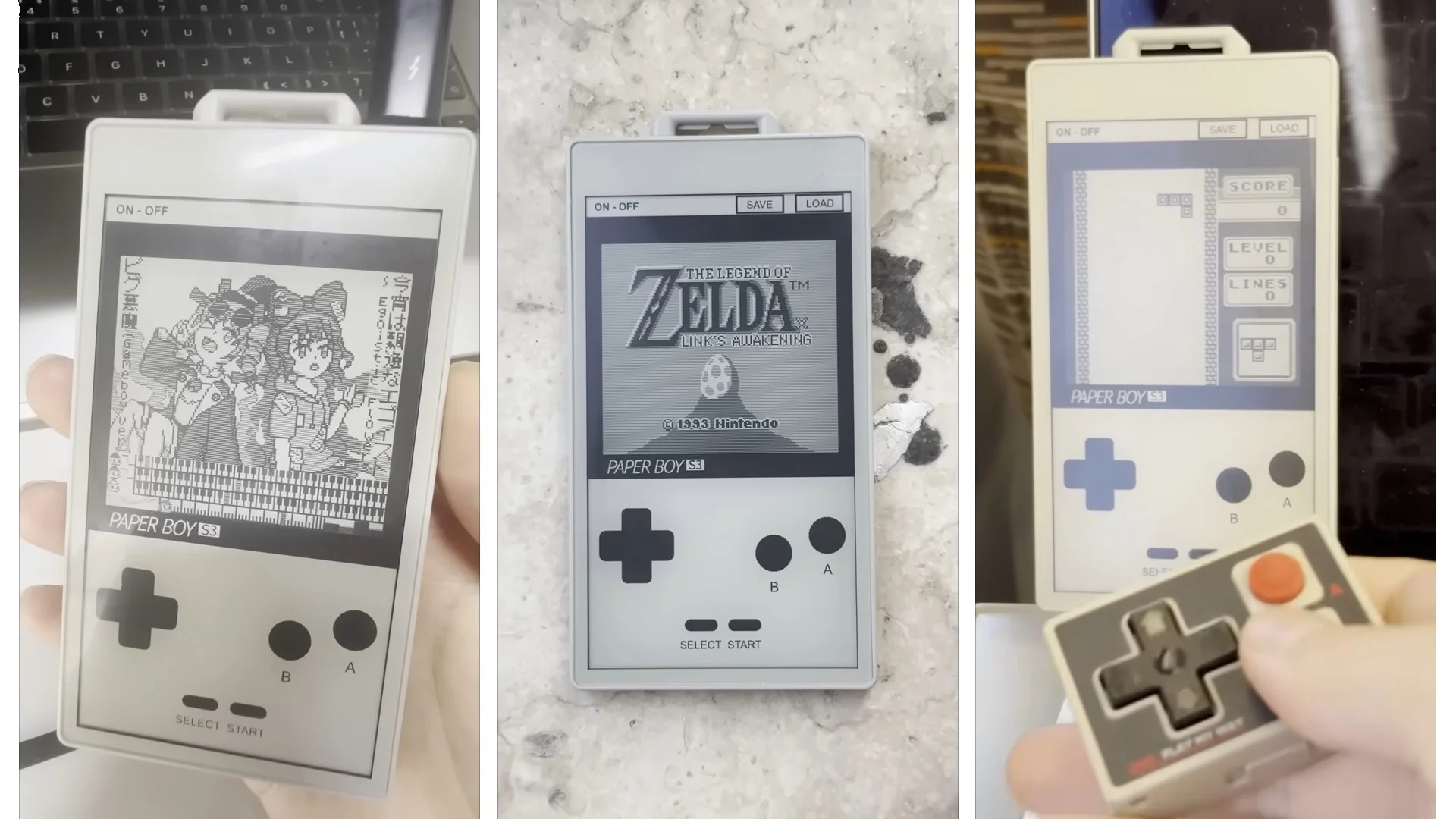
To adapt the Game Boy's iconic display to the PaperS3's 960x540 resolution, Zhang effectively tripled the original resolution of 160x144 pixels. This clever approach enabled dithering, allowing for a satisfying recreation of the Game Boy’s signature four shades. While the emulation occurs on the first CPU core, the second core handles the intensive resolution adjustment. This shows just how well optimized Zhang's project is, managing to maintain some processing capacity for audio, a typically challenging aspect of retro emulators.
Gameplay Experience and User Features
The end product mimics the classic Game Boy’s visuals but benefits from the high-resolution clarity of an e-Ink display. Along with a visually appealing interface, Zhang included features like Bluetooth LE controller support and quick-load/save buttons on the touchscreen, enhancing user experience significantly. The ability to quickly save and load games is a sensible addition, particularly for players accustomed to more modern gaming conveniences. This allows players to conveniently return to their games, integrating functionalities that meet contemporary user expectations.
However, this project isn't without limitations. The touchscreen control lacks tactile feedback due to hardware constraints, potentially impacting gameplay. This is the part most people overlook: the importance of tactile interaction in gaming cannot be understated. A virtual button or touch gesture doesn't provide the same satisfaction as a physical button press. Also, the audio is generated through a simple piezo buzzer, which, while modified for better sound, doesn't match the iconic Game Boy audio quality. The project faces hurdles concerning sound immersion; while nostalgic, sounds just aren’t hitting the right notes. Battery performance remains an open question; given that both cores of the microcontroller operate at peak capacity and e-Ink displays consume considerable power at 60Hz, it might not hold up well under extended use.
Accessibility and Challenges Ahead
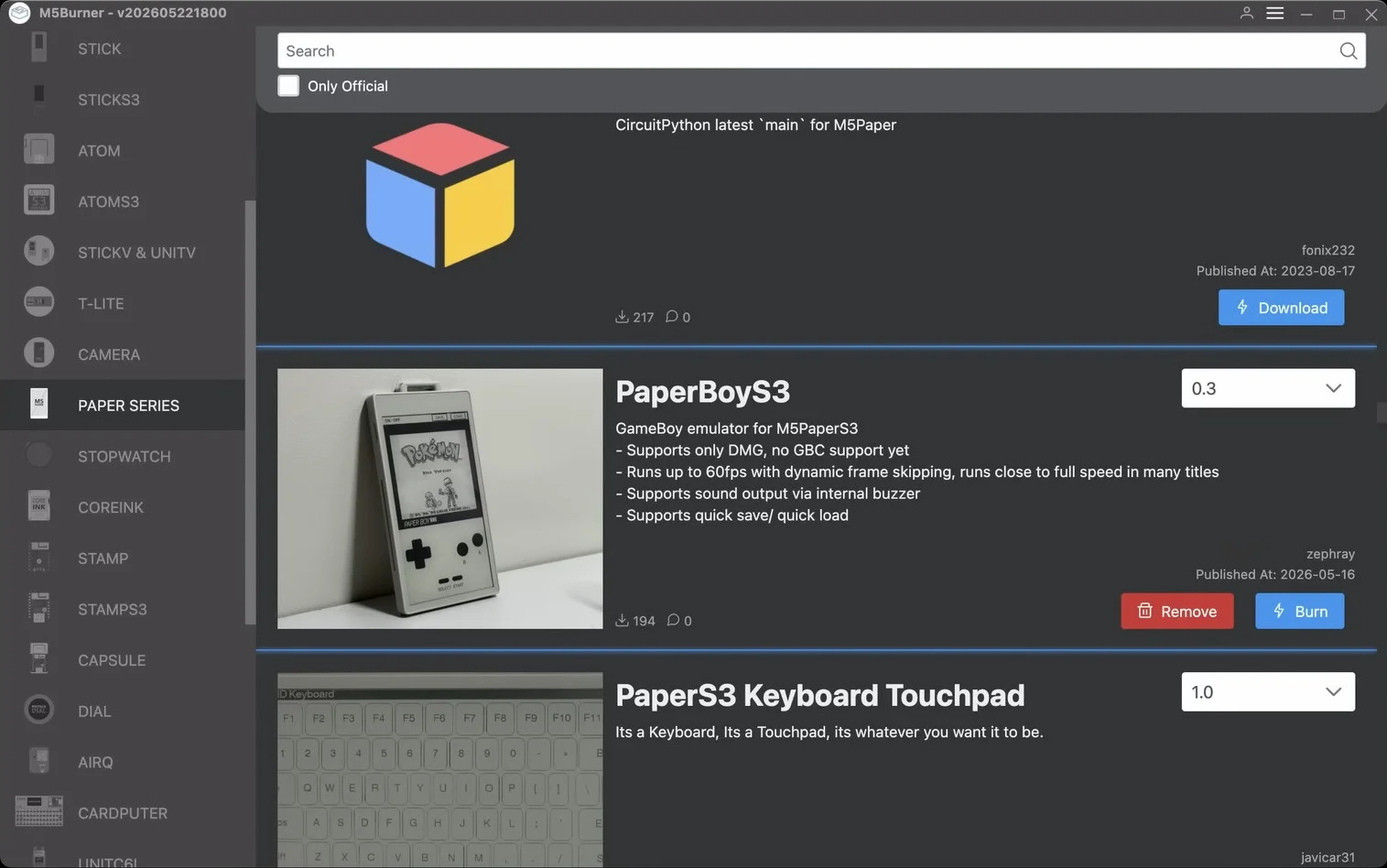
If you’re interested in experimenting with the "Paper Boy S3," Zhang has made the firmware available through the M5Burner tool. This serves as both a software updater and app repository for M5Stack devices, a handy resource for those looking to craft their own versions of the device. However, since the PaperS3 has been discontinued, obtaining one can be challenging if you don't already own the device. This scarcity issue raises questions about how sustainable community-driven console emulation can be. Nevertheless, this project showcases the impressive capabilities of low-end hardware while highlighting some limitations of e-Ink displays in game-related applications.
Future Implications and Significance
The significance of Zhang's work lies beyond mere retro gaming nostalgia. It illustrates the potential of low-cost hardware to perform functions typically reserved for more advanced systems. This project speaks to a broader trend within tech: the diminishing boundaries of what is possible with budget components. If you're working in this space, consider how these adaptations might inform your future projects. The potential for indie developers to create unique experiences with low-end tech could lead to a renaissance in retro gaming culture, pushing boundaries and encouraging innovation. As hardware becomes less accessible, projects like Zhang's remind us how passion and creativity can supersede traditional limitations.