Pre-Order Scalping Hits Steam Machines: Listings Soar Above MSRP on eBay
Amid Valve’s attempts to curb scalping of the highly anticipated Steam Machine, opportunistic sellers have flooded platforms like eBay with pre-order slots listed at exorbitant prices. A simple search reveals pre-orders for the 512GB version fetching between $1,363.70 and $2,800—reflecting a staggering markup of 30% to 167% above the set retail price of $1,049.
The Scalping Epidemic
The situation is especially dire for the 2TB model, with scalpers listing it anywhere from $2,399 to $2,899. This results in a markup of 93% to 140% compared to purchasing directly from Valve's online store. Such profiteering is reminiscent of previous gaming hardware launches, where demand massively outstripped supply, notably during the introduction of the PlayStation 5 and every Nvidia GPU rollout since the 30 series. This trend isn't new, but its persistence continues to frustrate gamers.
Scalping happens when demand exceeds supply, creating an environment ripe for speculation. This isn't merely a gaming problem; it's a phenomenon seen across various high-demand tech products. In this case, Valve's attempts to offer a new console have inadvertently made them a target for opportunistic sellers. The marked-up prices often attract buyers who are desperate to secure their devices, resulting in a vicious cycle that discourages legitimate purchases.
Valve's Approach to Mitigating Scalping
To mitigate these issues and ensure that legitimate gamers have a fair opportunity to purchase this gaming console, Valve established a randomized reservation system. According to the company, "A launch that starts at a specific day and time tends to reward bots, people with fast internet connections, talented gaming fingers for quick F5/refresh reactions, and those who can schedule their life around that moment." By allowing reservations over several days—without any incentive for speed—Valve aims to ease the typical frustrations associated with rush launches.
There's a certain logic behind their randomized approach. Traditional methods of launch often lead to a chaotic free-for-all, where those without immediate access to technology or who can't secure the right timing are left empty-handed. Valve's mechanism somewhat levels the playing field by offering a chance over a set period. However, whether it can effectively deter dedicated scalpers remains a question. This system resembles strategies used in concert ticket sales or high-demand sneakers, but whether it translates successfully to gaming consoles is yet to be seen.
Eligibility Measures and Unintended Consequences
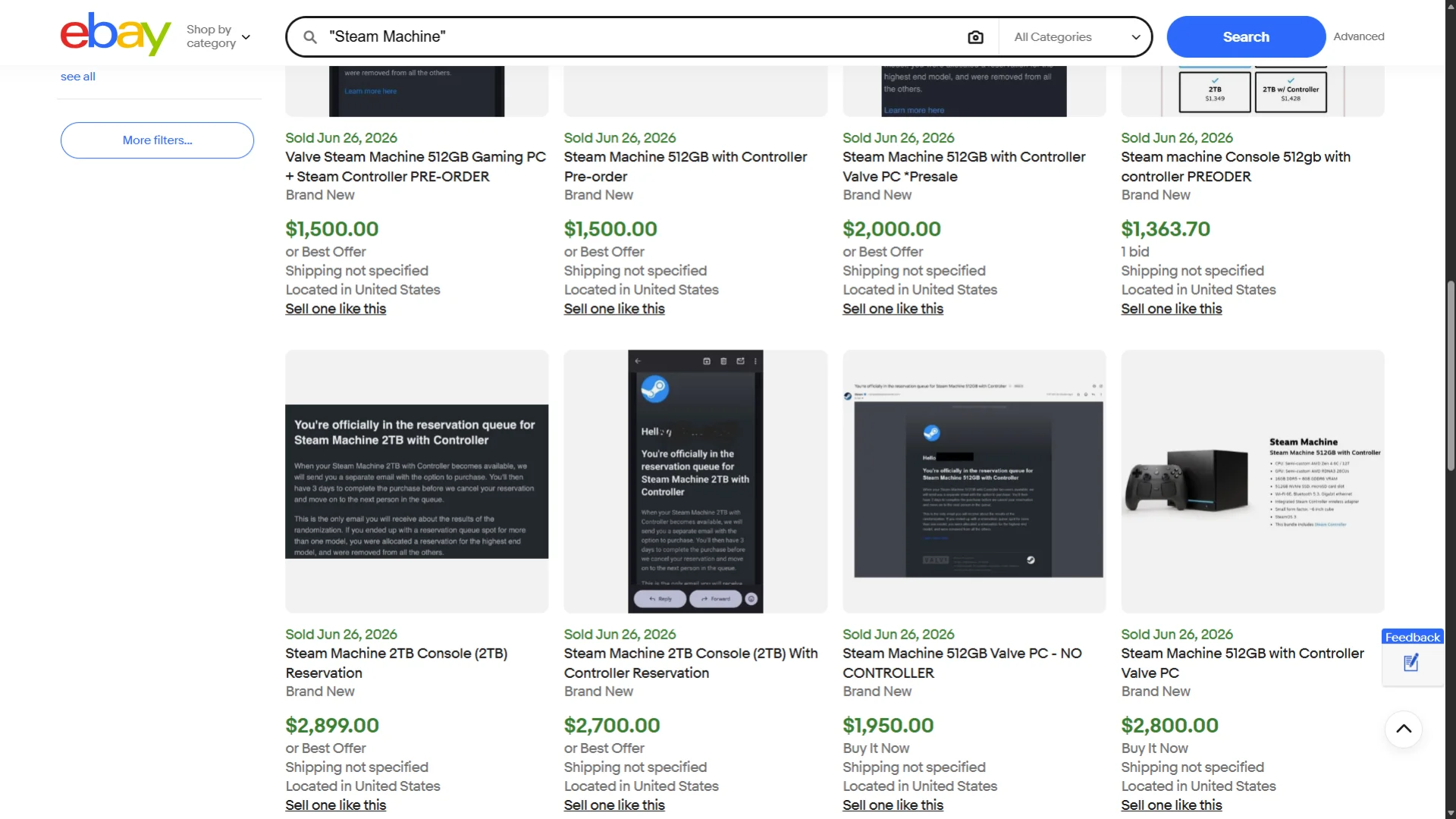
Valve's system includes strict eligibility criteria, ensuring only one Steam Machine reservation per household and requiring a Steam account in good standing along with a purchase history before a specific date. These measures are designed to deter professional scalpers from acquiring large quantities of the console to sell at inflated prices. Despite these safeguards, some people are still willing to list their spots for cash on resale platforms.
While these measures seem well-intentioned, they're not foolproof. The nature of the internet and the resale market means that desperate individuals may still find loopholes or simply circumvent the rules altogether. Even legitimacy-focused systems can struggle against determined resellers who exploit weaknesses in protocol. (And this is the part most people overlook.) For instance, casual gamers, who may not be as entrenched in the community, can find themselves at a disadvantage when competing against savvy scalpers.
The Risks of Buying from Scalpers
If you missed out on securing a Steam Machine, the temptation to buy from scalpers might be strong. However, exercise caution. Transaction risks abound; even sellers with perfect ratings can be tricky to trust. Pre-order transactions may lead to losing your money if the seller requests payment before product shipment, with no assurance of legitimacy. In the race to get products before they sell out, buyers might overlook the inherent risks involved.
There's something enticing about the allure of owning the latest tech, but rushing into a deal could backfire. Take your time. Ensuring a safe purchase becomes paramount. Familiarize yourself with the seller, look for verified accounts, and always read the fine print. If you're working in this space, understanding the transaction landscape is key.
Should You Wait? The Pros and Cons
While securing a Steam Machine right away has its appeal, consider that waiting might not be such a bad idea. The initial batch is expected to feature only a single 16GB stick of RAM, lacking the benefits of dual-channel memory. This setup may not be optimal for gaming enthusiasts looking for peak performance. Although Valve has hinted at the potential for future models to utilize dual-channel configurations, it remains to be seen how soon changes might happen.
This potential performance limitation raises the question of immediate need versus long-term satisfaction. Early adopters may want to be the first to experience a new device, but those who hold off might benefit from an enhanced version later. Importantly, gaming technology often evolves quickly, and the retail environment can shift just as fast. The ongoing scalping issue coupled with initial product flaws creates a scenario where waiting might result in a better product and a better price.
Implications for the Future
The ongoing scalping issue for the Steam Machine is likely to cause ripples throughout the gaming industry. The way companies respond to scalping could set precedents for future product launches, particularly as new technology emerges. As companies like Valve innovate in their sales methods, the outcomes may either validate or undermine such systems.
Here's the thing: the frustration for consumers won't go away overnight. Even with measures in place, the scalping culture can persist. The ultimate question is whether companies are willing to invest in long-lasting strategies that safeguard buyers. As the demand for high-tech devices continues to surge, maintaining ethical sales practices will be critical for consumer trust. In this climate, it might not just be a battle for a console; it could be a battle for consumer rights in the tech arena.