Commodore Lowers Callback 8020 Price Amid Rising Memory Costs
Commodore's Shift in Pricing Strategy
Commodore is taking a bold step by repositioning its Callback 8020 flip phone with a new starting price of $399, reduced from the previous $499. This shift is significant because it reflects broader trends in the tech industry, particularly the impact of the ongoing global memory shortage. By opting for recycled “post-consumer” memory chips and unbundling earphones, Commodore aims not only to lower costs but also to appeal to a growing segment of environmentally conscious consumers. In an era where sustainability is a hot topic in technology circles, this decision could be more strategic than it seems at first glance.
Memory Chip Challenges and Consumer Impact
The tech sector has been grappling with a shortage of memory chips, particularly DRAM, which has driven prices to unprecedented highs. This situation isn’t just a passing issue; it’s indicative of shifting priorities among major manufacturers, many of whom are redirecting their resources toward high-bandwidth memory crucial for powering AI applications. As a result, the consumer electronics market is feeling the pressure. Major players who can secure supply contracts are at an advantage, leaving smaller firms, like Commodore, with the tough task of remaining competitive while dealing with inflated material costs.
The Callback 8020's move to offer recycled memory is an interesting pivot. The choice to unbundle accessories—like the FiiO in-ear monitors, which were originally included—is a strategy that allows the company to cut excessive costs while still providing customers with an appealing option. You can buy upgraded features separately, but this does change the expected user experience. It’s a trade-off people should think about if they’re used to comprehensive packages with their devices.
Fly Colors: Callback Customization Options
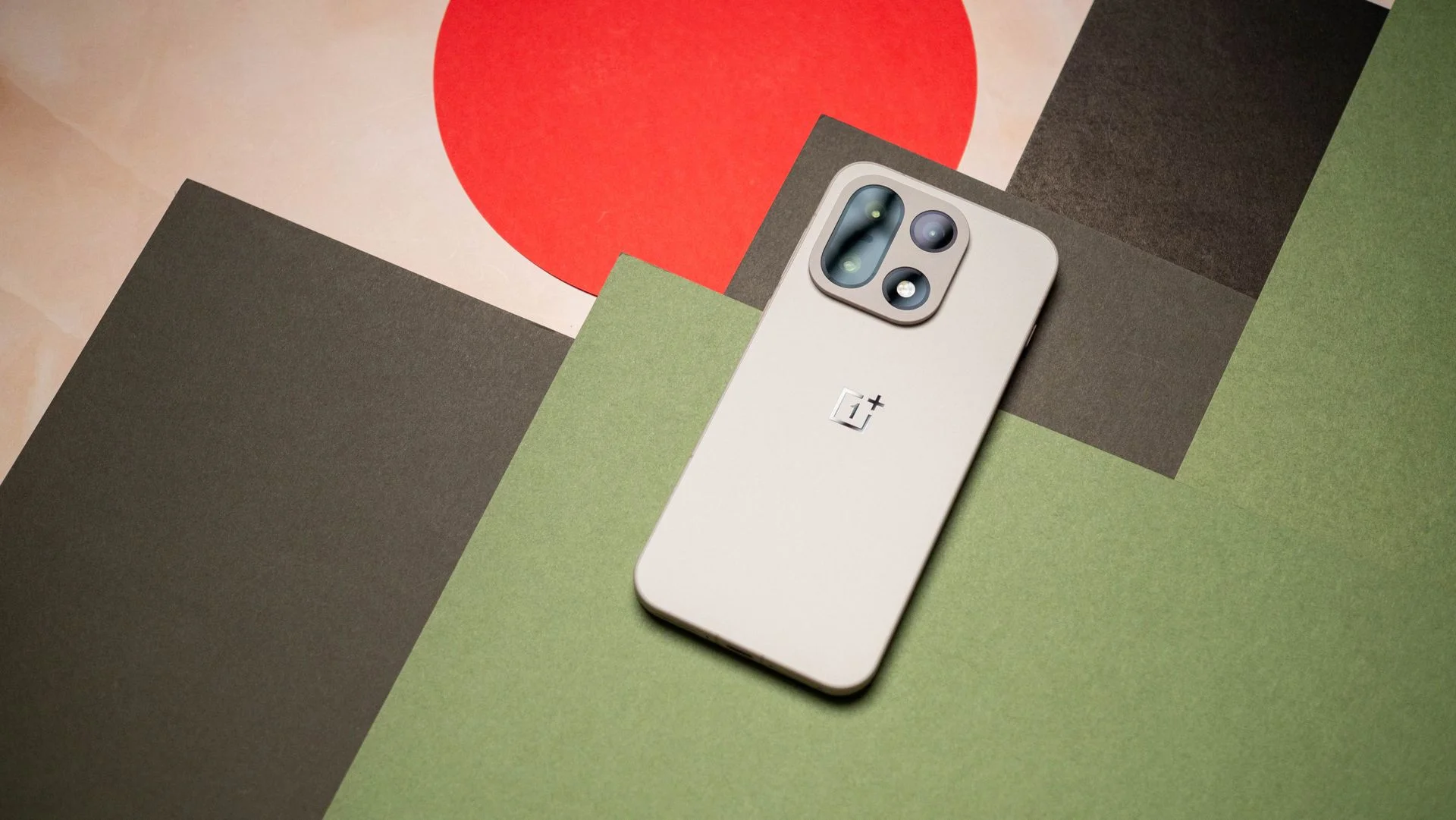
As part of this pricing revamp, Commodore has also made some adjustments to the color options available at this more accessible price point. Four out of five color options, including BASIC Beige, ProtoPET White, and SX Silver, can be had for $399, while the premium gold Founders Edition remains at $499, reflecting its unique features and bundled accessories. Sure, color choices often play a significant role in consumer decision-making, but are these features compelling enough to sway buyers? Only time will tell.
Pricing Context and Market Trends
The reduction in the translucent Starlight Edition—from $549 to $399—is noteworthy, offering a $150 discount that’s likely to lure in budget-conscious buyers. Additionally, a launch-day special could drop prices further to $349 for shoppers who register for the offer. This kind of promotional strategy is commonplace but effective, especially in a saturated market where consumers are seeking the best bang for their buck.
While the Callback is equipped with 4 GB of memory and powered by a MediaTek Helio G81 processor, this configuration feels modest compared to current smartphone standards. It’s hard not to wonder whether consumers will be sufficiently attracted to a device boasting such specifications in an age dominated by much more powerful devices. What this means for you is pretty straightforward: if you're working in this space, keep an eye out on user feedback. It can be revealing.
Cascading Effects of Memory Pricing
The pricing situation of semiconductors is volatile. Recent reports indicate a resurgence in DDR4 production as companies aim to address the rising demand, a consequence of soaring PC prices expected to escalate by as much as 8% by 2026. Significantly, even DDR2 has experienced a remarkable 60% price spike, illustrating the fragility of the supply chain and its wide-reaching impacts. Consumer electronics manufacturers, especially those on the lower end of the market, are caught in a precarious spot where memory costs can account for 15% to 20% of the total bill of materials. This reality significantly disadvantages budget manufacturers like Commodore, forcing them to scramble for solutions.
Shipping Timeline and Regulatory Considerations
The pre-orders for the Callback 8020 will kick off on June 30, with payments collected upfront to boost manufacturing efforts. However, what makes this announcement even more interesting is the anticipated shipping schedule. While the company aims to begin shipping this winter, this timeline hinges on securing FCC equipment authorization—an often lengthy and unpredictable process. If Commodore can navigate these regulatory waters smoothly, it will bode well for their market entry strategy, but that's a big if.
Implications for the Future
As Commodore maneuvers through these pricing and production challenges, consumers should remain observant. With many tech giants moving towards more sustainable options, Commodore's venture into recycled memory might position it well among eco-conscious consumers. Still, the question lingers: will the Callback 8020 resonate with a new generation that holds high-performance at a premium? Or will it remain a niche option for those insistent on nostalgia and budget? As the memory chip crisis continues, the implications for budget smartphone makers are increasingly daunting.