Google Addresses SiriusXM Issues on Smart Speakers While Unveiling New AI-Driven Home Speaker
Google's making strides to resolve streaming hiccups for SiriusXM users on its smart speakers, addressing long-standing complaints that have frustrated many customers. After a series of user reports surfaced about a month ago detailing issues with SiriusXM connectivity, Google confirmed it’s rolling out a fix by the end of June.
User Experiences and Complaints
On platforms like the Google Home subreddit, users reported being unable to stream SiriusXM content, receiving persistent errors, such as, “I looked for that, but it either isn’t available or can’t be played right now.” This kind of issue isn't uncommon in the smart speaker ecosystem, where third-party integrations can be a source of frustration. Even with ensured subscriptions properly linked within the Google Home app, many users found they could still listen through the SiriusXM app directly, only not on their speakers. This dissonance not only triggered a slew of frustrations but also raised questions about Google's commitment to maintaining a functioning ecosystem for its users.
The disparity in user experience highlights a significant challenge that smart home technologies face: maintaining seamless interactions across various platforms and services. As more consumers adopt smart home technology, reliability becomes a key factor. The frustrations detailed in user reports suggest that while the technology has potential, execution can often fall short. The inability to stream via speakers, despite subscriptions being valid, indicates a need for more rigorous testing and seamless integration efforts on Google's part. (And this is the part most people overlook.)
In follow-up conversations, Google Support encouraged users to conduct standard troubleshooting steps, even though many had already reported exhausting those avenues. This response can often feel dismissive. Users looking for timely resolutions don't want to be sent back to the drawing board when they already know the issue isn't on their end. Acknowledging the situation transparently is one way to regain consumer trust, yet not all tech companies prioritize this. Ultimately, Google recognized the problem as a widespread issue affecting various devices, leading to the acknowledgment that it was time to address users' grievances directly.
Introducing the New Google Home Speaker
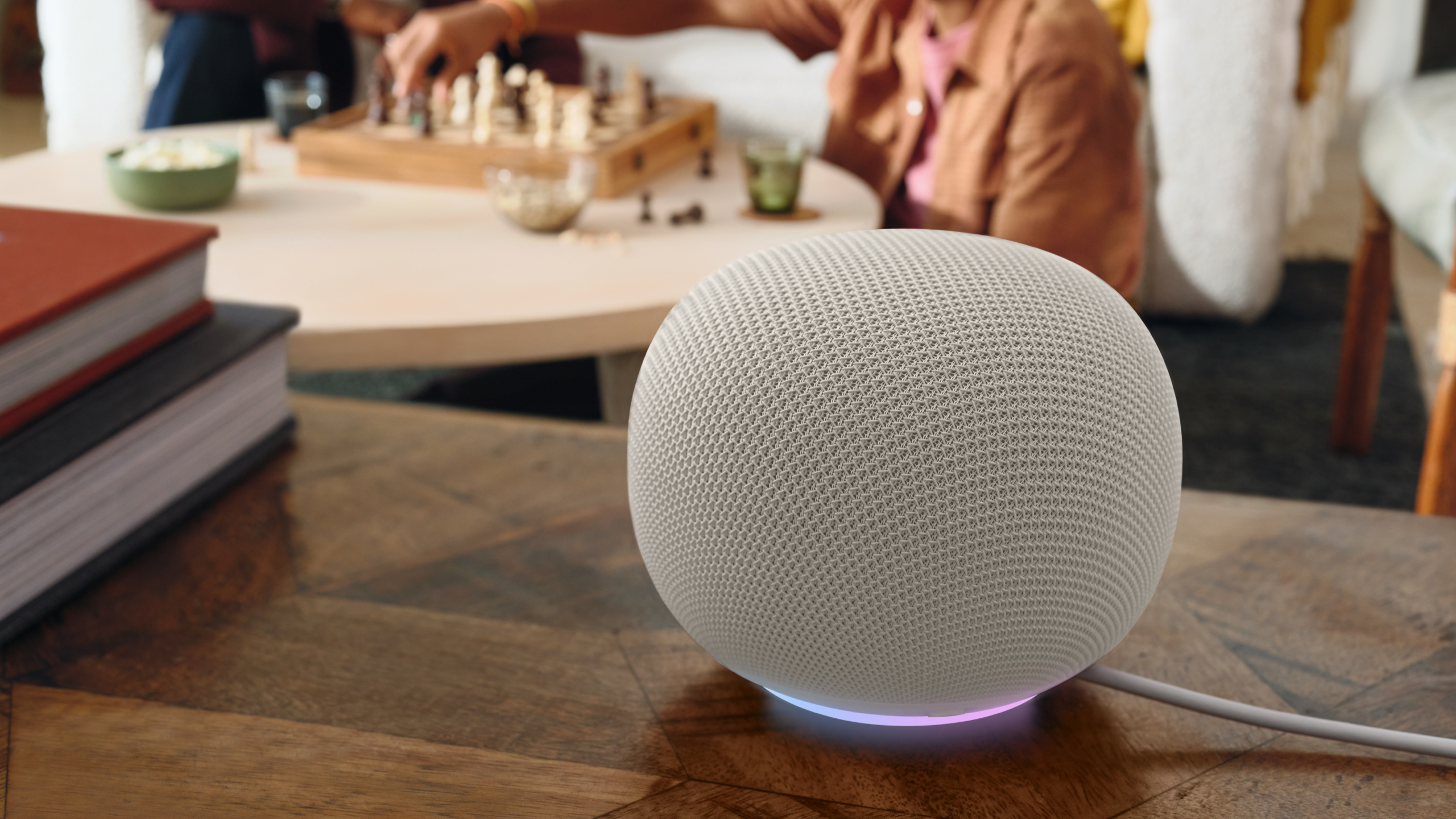
In the midst of addressing these streaming challenges, Google has rolled out its latest Home Speaker—a device that reimagines smart speaker capabilities, specifically focusing on its new AI, Gemini. Priced at $99, this speaker is the first entirely built around Gemini, designed to interpret natural language without users having to rely on specific phrases or keywords. This change represents a notable shift in how users can interact with their smart devices. The conventional approach of keyword activation can often lead to misunderstandings, leaving users frustrated and disengaged.
Gemini's advanced capabilities include understanding multi-step commands and engaging in follow-up questions, significantly improving the user interaction experience. Consumers are increasingly looking for more intuitive technology that approximates natural conversation, and this shift could potentially set a new standard for voice-activated devices. The recent expansion of Gemini for Home to additional countries has reportedly improved response times by about 40%. This enhancement means that the AI is better at discerning which device users are addressing, suggesting a notable improvement in the technology's adaptability to different user environments.
Google has also opened Gemini up to hardware manufacturers and carriers, indicating its intent to foster a broader ecosystem around its AI technology. This means that consumers can anticipate a wider array of devices enriched with Google's AI functionalities in the future. As more manufacturers build Gemini into their products, we may see a shift in the smart home experience that transforms it from disparate functionalities into a more cohesive whole. But does that promise really resonate with the problems addressed earlier? There’s still a lot of work to be done in the integration of services across devices.
Implications and Future Outlook
The ongoing issues with SiriusXM streaming may seem like a minor inconvenience in the grander scheme of technology, yet they highlight a significant gap in user experience that tech giants like Google can’t afford to overlook as they push forward with innovative products. The frustrations of SiriusXM users underscore a broader concern about reliability in smart home devices, a factor that can heavily influence consumer loyalty and brand perception. If you're working in this space, you know that user complaints can quickly snowball into a public relations nightmare, especially on social media platforms where tech-savvy users are vocal about their experiences.
This situation may serve as a critical reality check for Google, pushing it to enhance its infrastructure and better monitor its service integrations. Consumers today expect not only advanced technology but also dependable performance. As Google navigates this landscape, the company will need to ensure it commits to addressing such recurring issues proactively rather than reactively. That's a tall order, but necessary if it aims to maintain its competitive edge. The initial rollout of the new Google Home Speaker might point toward a more reliable future, yet it hinges on the company's ability to effectively integrate various services while nurturing customer relationships built on trust.
Ultimately, technological innovation is only as effective as it is reliable. Without a doubt, the road ahead involves greater integration, both of software and hardware. Users will be looking for solutions that don’t just promise the moon but deliver on those promises consistently. As the smart home market grows, companies like Google may need to shift some of their focus from flash to function to truly meet evolving consumer demands.