OnePlus Shifts Focus: Exits Western Markets, Embraces ColorOS for Future Devices
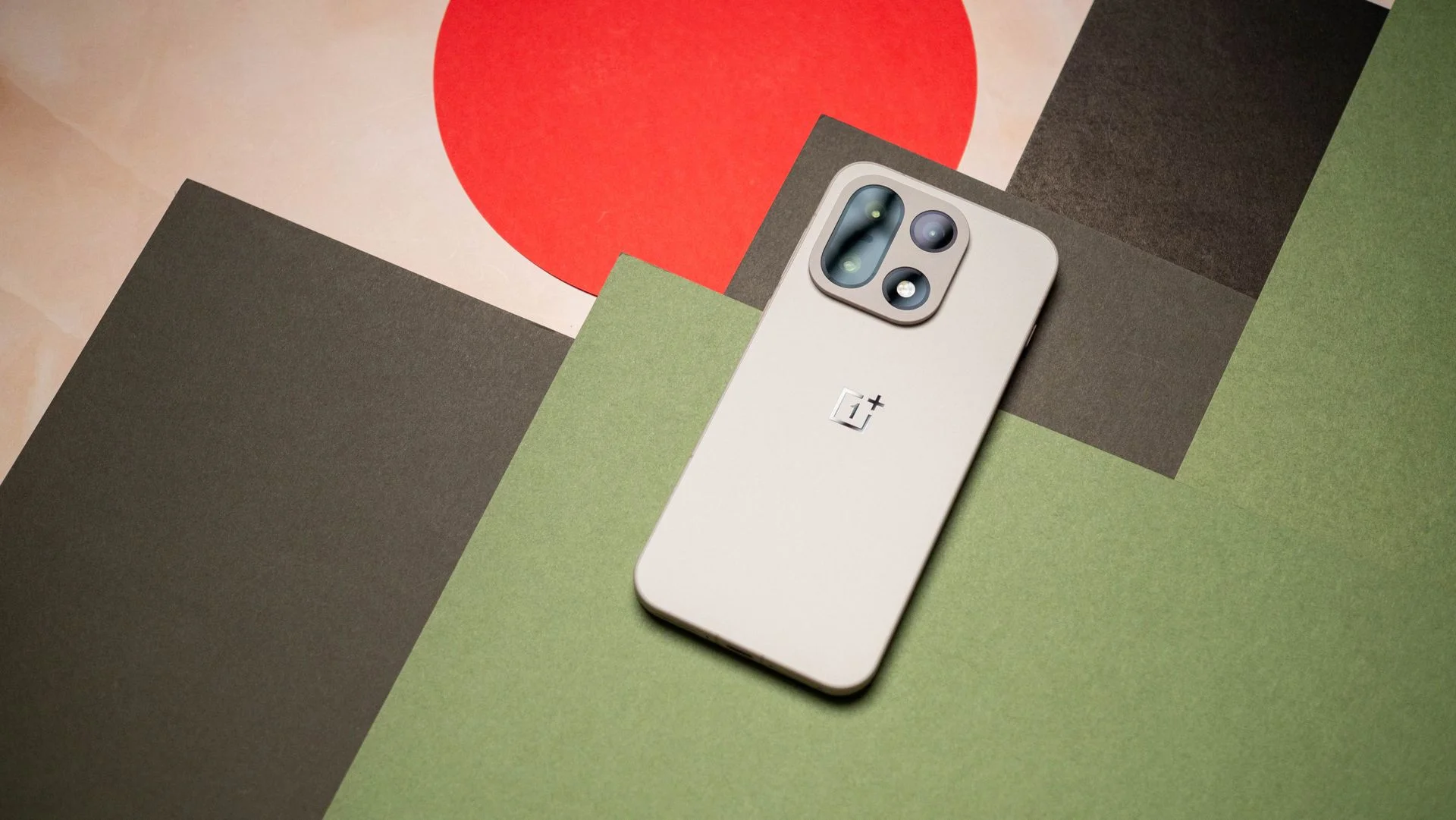
In a significant strategic shift, OnePlus will exit the U.S. and European markets by the end of this week, officially confirmed after earlier reports hinted at the decision. This change also entails the discontinuation of OxygenOS, with future devices adopting ColorOS from its parent company, OPPO. For many, this shift is shocking but not entirely unexpected, given the intense competition and changing user preferences in mobile technology.
Understanding OnePlus's Departure
OnePlus's exit from North America and Europe isn't just a business decision; it's reflective of broader trends in the smartphone market. These regions have become battlegrounds for both established and emerging brands, each vying for consumer attention in a saturated landscape. In recent years, OnePlus faced stiff competition from giants like Samsung and Apple, as well as inexpensive models from brands like Xiaomi and Realme. With margins tightening and phone upgrades slowing down, OnePlus may have concluded that maintaining a presence in these markets wasn’t financially viable.
That said, this isn’t purely a retreat. This strategic withdrawal appears to allow OnePlus to focus on regions where it sees growth potential. India, in particular, has been a lucrative market for OnePlus, accounting for a notable share of its global shipments. By concentrating efforts there, OnePlus can streamline operations and increase market share in a rapidly growing smartphone market.
Implications for Current Users
For customers in Europe, OPPO will manage warranty agreements and oversee ongoing software updates for existing OnePlus devices. This arrangement may bring some relief to current users who rely on timely updates and support. The company reassures users that they will continue to receive security patches and updates as originally promised, despite the brand's withdrawal from North America. This is where many brands falter; when they exit a market, support can dwindle, leaving customers feeling abandoned. OnePlus's commitment to continued support reflects a mindful approach to customer relations, especially under these circumstances.
However, brand loyalty can only carry you so far. If you’re working in this space, you know that consumers quickly shift allegiances when they feel unsupported. Transitioning away from OxygenOS will be a significant change for users accustomed to that interface. The software experience can make or break customer satisfaction, and OnePlus must ensure that this switch is as smooth as possible. With ColorOS becoming the default, existing users may have to navigate adjustments in interface continuity and user experience, which could be a stumbling block for some.
Transitioning to ColorOS
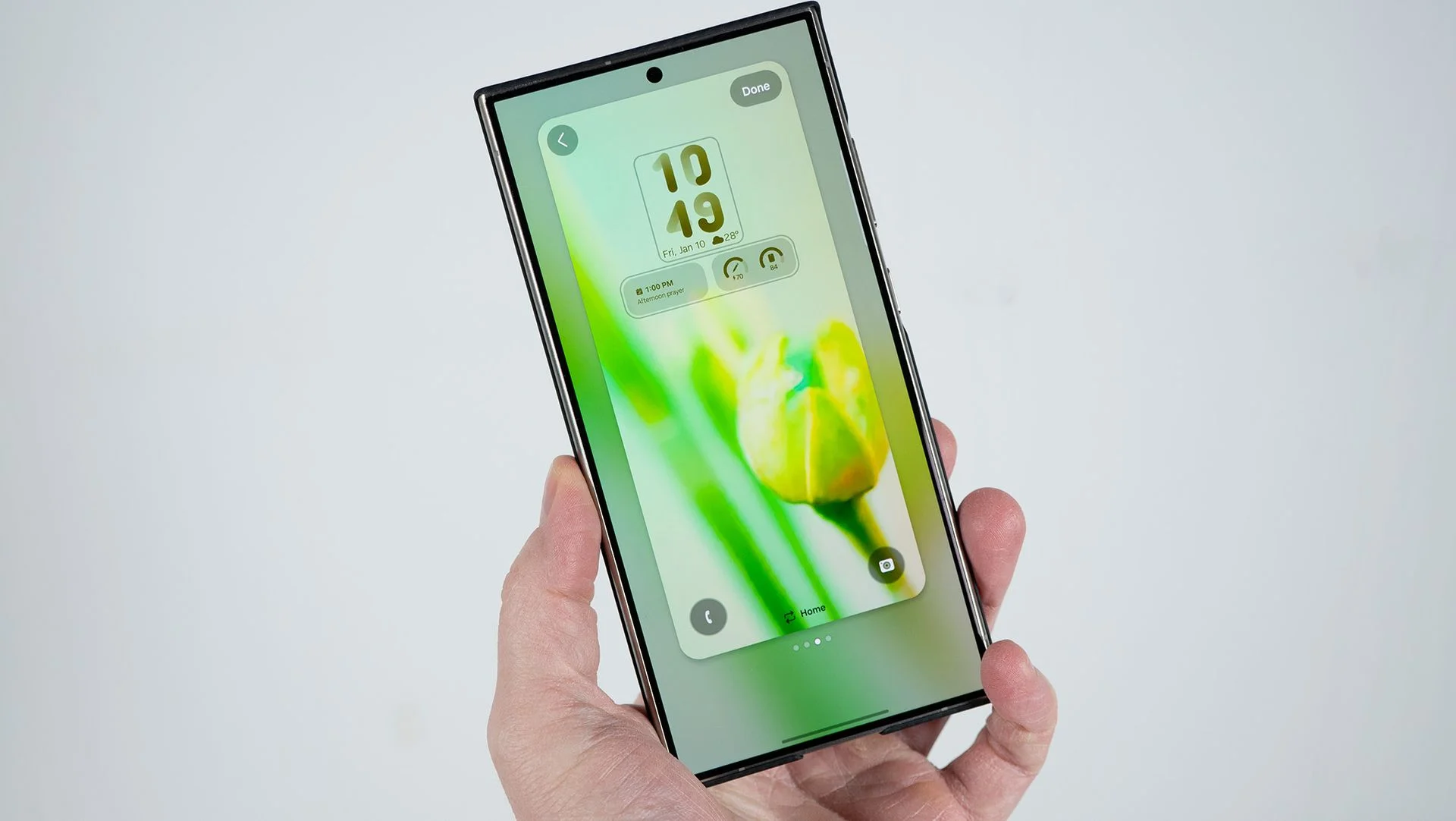
The shift to ColorOS will be the most noticeable change for current users. After eleven years of OxygenOS, upcoming devices will ship with ColorOS, while existing models will transition through a software update. OnePlus has pledged to uphold its update guarantees; receiving ColorOS will not compromise the commitments to software support that users have come to rely on. It’s crucial for them to live up to this promise, particularly since software updates are a significant part of the user experience. People want reassurance that their device won't become obsolete overnight.
This change is not entirely unprecedented. Many smartphone manufacturers have undergone similar transitions when faced with the need for greater efficiency or when acquired by a larger firm. The move towards ColorOS may streamline OnePlus's operations, making it easier to develop software and respond to user needs. However, there's a risk. Brand perception can suffer if users are unhappy with the transition. The UX differences and feature sets must be properly communicated to avoid alienating long-time OnePlus enthusiasts.
Long-Term Outlook
This transition might actually be a long-overdue move. Since merging its codebase with ColorOS back in 2021, the utility of maintaining two separate UIs seemed questionable. In practice, versions like OxygenOS 16 and ColorOS 16 have become virtually indistinguishable, differing mainly in minor design tweaks and unique artificial intelligence features. This redundancy no longer makes sense if OnePlus aims to become more efficient and focused in its development efforts.
As OnePlus recedes from the North American and European markets, the Android ecosystem faces a notable reduction in available choices. With the exit of a brand like OnePlus, consumers in these territories will have fewer options that once stood for user-centric design and value-for-money. The manner of OnePlus's exit is certainly not what fans hoped for, marking a rather quiet departure for a brand that has been a prominent figure in the smartphone space.
The Implications of Reduced Competition
Here’s the thing: the loss of OnePlus as a competitor in these key markets could have broader ramifications. With fewer players, there’s the potential for reduced innovation and higher prices. OnePlus has long championed the idea of providing premium features at a mid-range price. With its absence, competitors may feel less pressure to offer affordable flagship alternatives. And yet, in a market that thrives on diversity and choice, this could signal a troubling trend.
This shift may also serve as a wake-up call for other manufacturers. If a brand like OnePlus, which has built a loyal following, finds it challenging to maintain its foothold, what does that mean for others? Companies need to constantly innovate and adapt to changing consumer needs and economic realities. The consequences of OnePlus’s departure remind us that the tech industry is unforgiving and requires continual engagement with its user base.
In this new chapter for OnePlus, the big question remains: Can focusing on fewer markets lead to a stronger resurgence? The future looks uncertain, and while it opens new avenues, it also raises serious questions about competition and consumer choices in the smartphone ecosystem.