Samsung Galaxy Z Fold 8 Ultra vs. Google Pixel 10 Pro Fold: A Comparative Analysis for Android Enthusiasts
As the Android foldable market sharpens its competitive edge, the arrival of the Galaxy Z Fold 8 Ultra from Samsung and the Pixel 10 Pro Fold from Google has set the stage for a compelling showdown. With varying specifications, features, and price points, the decision on which foldable smartphone to choose becomes increasingly nuanced.
Pricing and Availability
Unveiled on July 22, 2026, the Samsung Galaxy Z Fold 8 Ultra commands a starting price of $2,100 in the U.S., which includes 256GB of storage and 12GB of RAM. This reflects a $100 price increase compared to its predecessor, the Z Fold 7. Given the current economic climate, consumers might find this increase significant, particularly in comparison to alternatives. Meanwhile, Google's Pixel 10 Pro Fold launched on August 20, 2025, starting at a more accessible $1,799 for the same 256GB variant, providing a sizeable discount of $300. It's hard to ignore how this pricing strategy positions Google as a more budget-friendly option for those interested in foldable technology. Both devices offer options for expanded storage, including 512GB and 1TB variants, but the Pixel comes equipped with 16GB of RAM across all models, which is likely to appeal to power users.
Design and Display
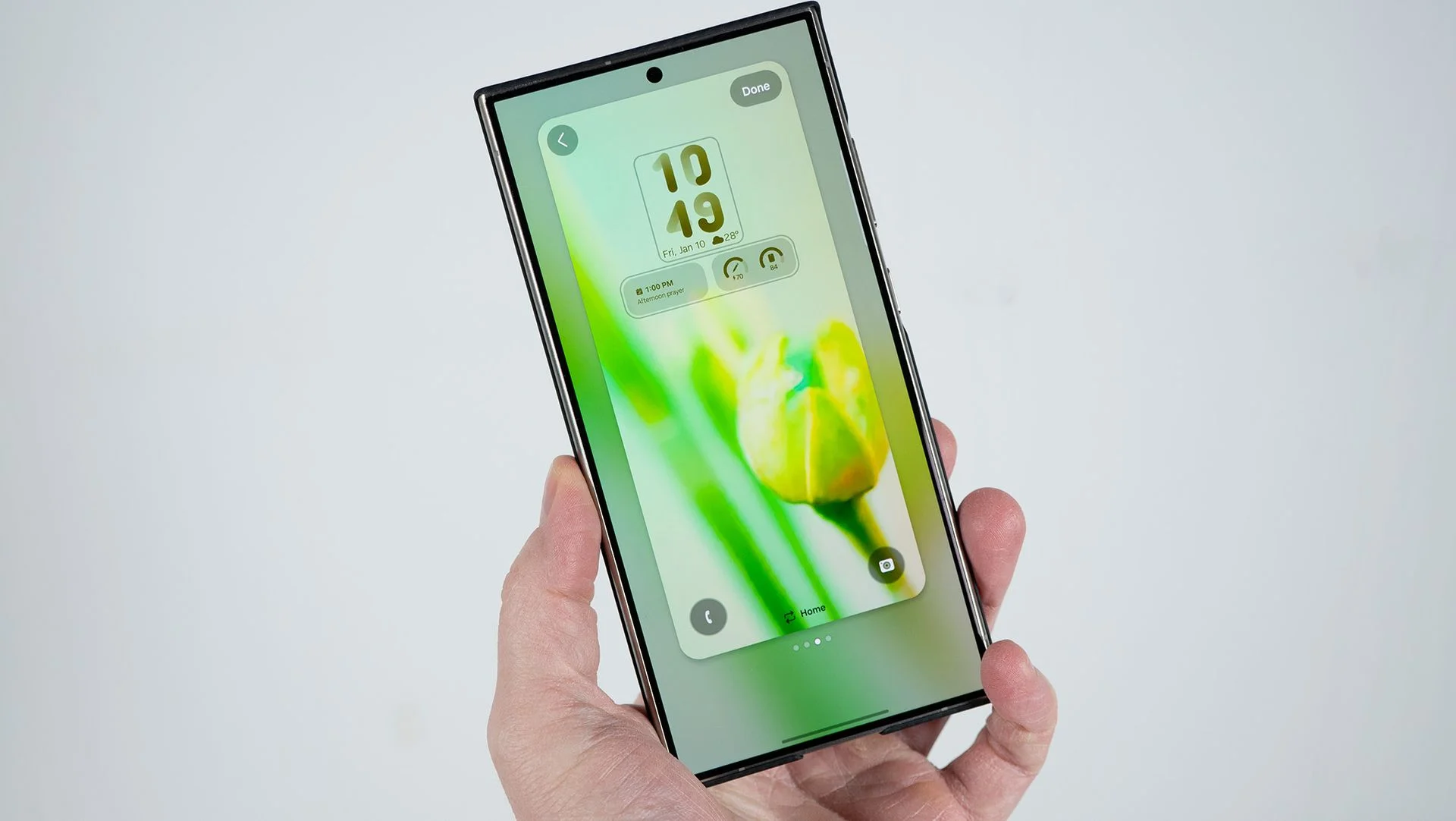
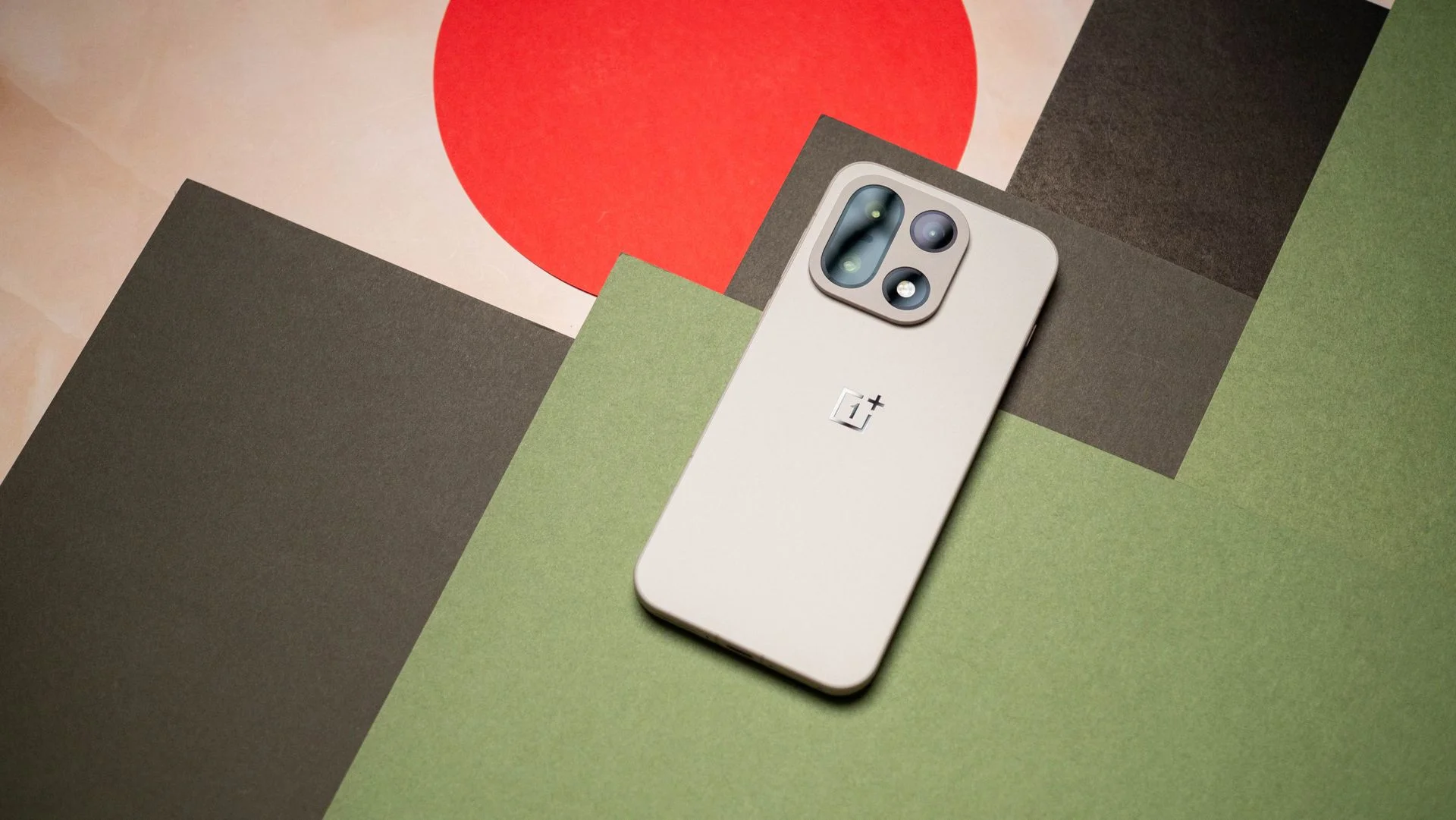
Samsung has retained much of the design of the Z Fold 8 Ultra from previous iterations, yet refined its aesthetics to create a slimmer profile, measuring just 4.1mm when unfolded. This contributes to a more portable experience, which is essential for users who may carry the device throughout the day. The device sports a trio of rear cameras arranged vertically in a clean module, modernizing its overall appearance while suggesting efficiency in ergonomics.
In comparison, the Pixel 10 Pro Fold retains a bulkier design. It stands at 8.9mm when folded and weighs around 258 grams. The extra thickness might deter some users looking for an ultra-sleek device. What distinguishes the Pixel is its distinguished IP68 rating, offering commendable dust and water resistance—something the Z Fold 8 Ultra lacks with only IP48 protection. This can be a considerable factor for consumers who frequently use their phones in outdoor or challenging environments. The displays of both models are noteworthy; the Z Fold 8 Ultra features a less visible crease on its inner display, enhanced by Samsung's Flex Titanium technology, which sets it apart. This technology could play a pivotal role in user experience, particularly for those who often utilize the large inner screen for multitasking.
The Pixel 10 Pro Fold does hold its own with a slightly smaller cover display yet maintains similar peak brightness capabilities, delivering visually stunning experiences for users in various lighting conditions. Both devices excel in display technology, but Samsung's slightly advanced features can create a stronger appeal for media aficionados.
Hardware and Specifications
Powering the Galaxy Z Fold 8 Ultra is the Snapdragon 8 Elite Gen 5 chipset, recognized for outstanding performance across Android devices. This chipset stands as a testament to Qualcomm's ongoing efforts to dominate mobile processing. The Pixel 10 Pro Fold is driven by the Tensor G5, which represents a significant leap from its predecessor but still doesn't quite match the raw power of Samsung’s offering. Google's focus remains on enhancing machine learning and on-device processing, which might resonate with users emphasizing AI capabilities over sheer performance.
Battery technology sees an enhancement in the Z Fold 8 Ultra, which now includes a 5,000mAh silicon-carbon battery supporting faster 45W wired charging. This improvement can be pivotal for heavy users who rely on their devices throughout the day. The Pixel 10 Pro Fold complements its slightly larger 5,015mAh battery with innovative PixelSnap technology for wireless charging, making it easier to connect without additional accessories. The choice of battery technology could sway users depending on their charging habits and preferences.
Cameras
Camera capabilities differ notably between the two devices. Samsung has upgraded the ultra-wide sensor on the Z Fold 8 Ultra to a formidable 50MP while retaining the 200MP wide shooter, which has proven itself successful over recent iterations. This marks a significant stride for Samsung in mobile photography. The Pixel 10 Pro Fold comes equipped with a functional 48MP primary sensor alongside a 10.5MP ultra-wide lens, and a telephoto sensor providing 5x optical zoom. Both companies target photography enthusiasts but via different modalities. Although theoretical comparisons abound, empirical evaluations of image quality and versatility will offer clearer insights. The bottom line? Users wanting robust photo options should take a closer look at both specs, but subjective experience may ultimately dictate satisfaction.
Which Foldable Is Better?
Deciding between the Galaxy Z Fold 8 Ultra and the Pixel 10 Pro Fold demands careful consideration of your needs and preferences. Samsung's latest iteration brings meaningful enhancements, such as a sharper display and improved battery technology. However, the price hike and lack of advanced features like Qi2 magnetic charging may dissuade some buyers. The cost-benefit analysis is certainly shifting.
Conversely, the Pixel 10 Pro Fold presents an attractive alternative, blending affordability with durability and timely software updates, making it a promising option for those seeking reliability and value. If you're working in this space, you'll know that timely updates can significantly extend the device's usability. The choice ultimately hinges on what specific features matter most to you: is it cutting-edge performance, durability, or cost-effectiveness that holds sway? As the foldable market continues to evolve, weighing these elements will be key in making a well-informed decision.
Future Outlook
The competition between Samsung and Google in the foldable market suggests a significant shift in consumer priorities. As more companies invest in foldable technology, the emphasis on features like battery life, camera performance, and software support will become paramount. This evolution reflects broader trends in consumer behavior where users increasingly seek multifunctional devices. The implications are clear: as expectations rise, manufacturers will need to continuously innovate or potentially face obsolescence. What this means for you, as a consumer, is greater choice—and that’s something to keep an eye on in the coming years.