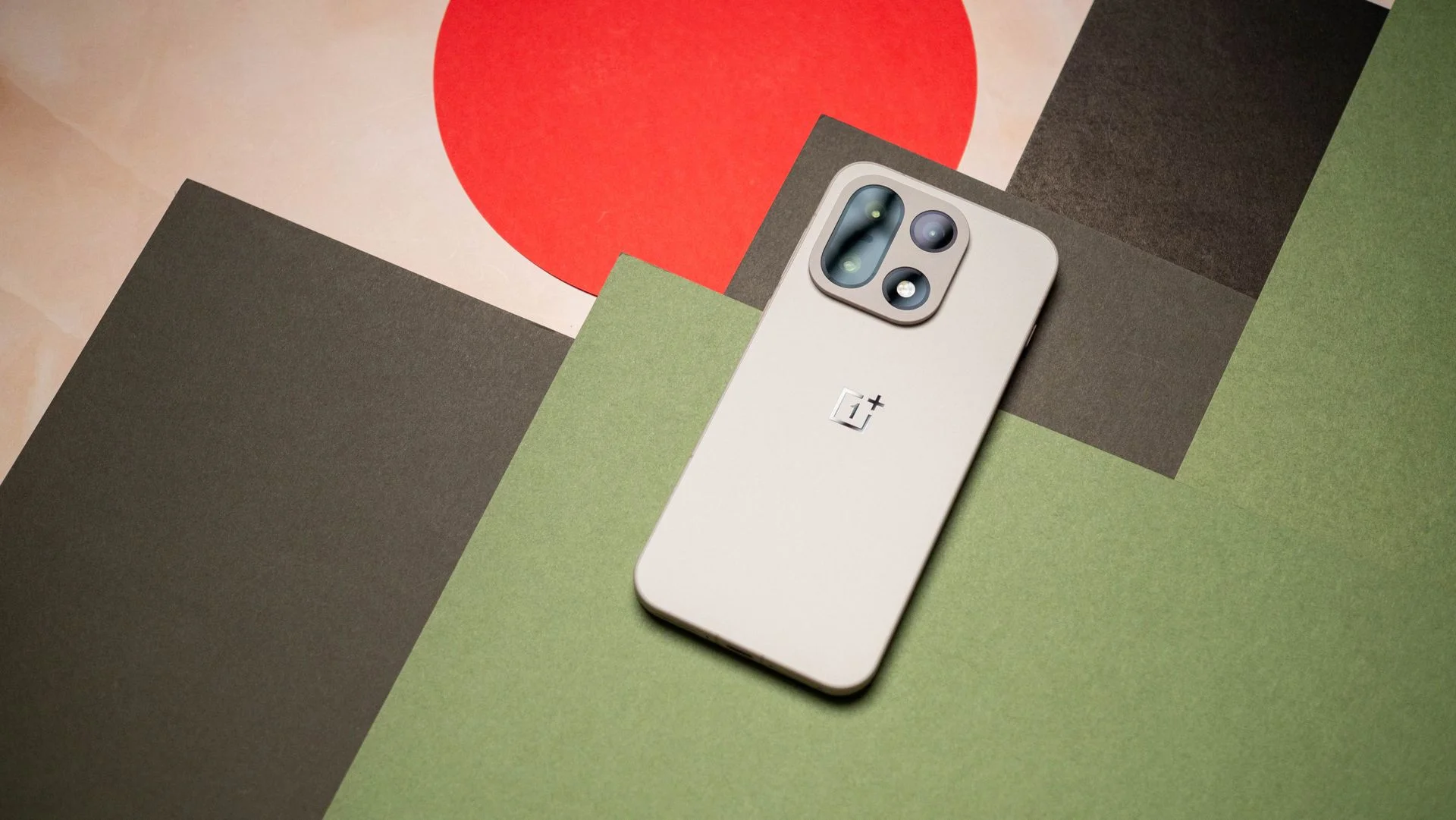
Motorola Edge 70 Max Poised to Introduce Native Qi2 Charging Ahead of Samsung
Upcoming Feature for Motorola Edge 70 Max
Recently, there’s been buzz around the impending launch of the Motorola Edge 70 Max, and the early word suggests it's set to redefine wireless charging within its category. A listing spotted in the Wireless Power Consortium (WPC) database has not only confirmed the device's name and model number but also its compatibility with the Qi2.2.1 standard. What does this mean for everyday users? It could pave the way for charging speeds up to 25W wirelessly, potentially revolutionizing how we think about powering our devices.
More compelling, however, is the emergence of a Magnetic Power Profile in the certification details. This signals that Motorola is planning to embed alignment magnets into the Edge 70 Max itself. Such a feature will allow users to attach Qi2 and MagSafe-compatible accessories directly to the phone without the hassle of an external case. Imagine how simple it could be to use a magnetic charging dock or custom accessories without fumbling around. That's a small but significant detail that could make a big difference in daily usage.
This strategic move puts Motorola in a strong position to surpass competitors like Samsung. Recently, Samsung introduced its Galaxy S26 series, but it fell short in offering complete native Qi2 functionality. The Galaxy devices may be "Qi2 ready," but they lack the essential built-in magnets that enhance usability and compatibility with the magnetic charging ecosystem— an oversight that could cost them in the long term.
Comparative Landscape in Wireless Charging
Up until now, Apple seemed to have an edge in this area. Their iPhones were essentially the sole devices equipped with native MagSafe-style magnets, which meant Android users often had to settle for third-party accessories to achieve similar functionality. However, the introduction of the Pixel 10 series last year marked a shift in the Android space, bringing native Qi2 support along with the magnetic capabilities that have become a user favorite. Should Motorola successfully integrate this technology into its upcoming release, it won't just catch up—it could redefine the competitive parameters of the smartphone market.
The competition isn't just about who can charge the fastest; it's about enhancing the user experience. If you can just snap and go, that shifts consumer behavior. People will start to expect these features in every flagship model. This isn't just a tech play anymore; it's about setting new standards for the industry.
Market Implications
As these developments take shape, the market implications for Motorola could be huge. Being the first to deliver a fully integrated Qi2 experience for Android users would not only serve to enhance its product lineup but could also fortify its standing in the highly competitive smartphone arena. This is particularly pivotal given that Motorola has been clawing its way up against established giants like Samsung.
It shouldn't be underestimated how important this is for Motorola. The smartphone market is saturated, and distinguishing oneself requires more than just better specs or marketing. An early lead in this technology could allow Motorola to cater to a segment of consumers who prioritize usability above all else. If they succeed, it could be a watershed moment for the brand.
Though the finer details of the Edge 70 Max’s launch are still under wraps, the anticipated advancements suggest a larger trend towards more cohesive and user-centric technologies within smartphone charging. If you're working in this space, pay attention to how Motorola unveils its strategy in the coming weeks, particularly about its charging innovations. They could set a new benchmark.
Anticipating Consumer Reception
There’s a palpable excitement building among tech enthusiasts about the potential inclusion of native Qi2 charging in Android flagships. For many consumers, the prospect of having a straightforward, integrated charging solution could make or break their purchasing decisions. Should Motorola lead the charge—pun not intended—before Samsung manages to catch up, it might just recalibrate consumer expectations for wireless charging. This gives Motorola a competitive edge, but they need to execute well.
For many users, the simplicity of being able to connect their devices with a clean snap could alter their perceptions of brand loyalty entirely. The ease and functionality associated with this would not just please tech-savvy users; it could even sway everyday consumers who don’t keep up with the latest trends but know when something just works. And let’s face it, many people don’t want to deal with cumbersome accessories or complex setups. It’s about convenience, after all.
As we look ahead, Motorola's Edge 70 Max might be more significant than it looks—it's not just about the phone; it’s about setting a framework for how consumers will interact with mobile technology moving forward.