Using AI to Revive Hydrangeas: A Practical Guide to Gardening Solutions
With my recent entry into homeownership, I've set out this year to genuinely cultivate my gardening skills. I'm particularly fond of the perennial hydrangeas left by the previous owners, which have been a source of pride. However, this year I encountered a worrying issue: one half of my hydrangeas wasn't thriving and appeared to be struggling.
To address this problem, I turned to the Gemini app, completely unsure of what I was facing. Within just 20 minutes, I had a potential diagnosis and a solution that took about a day to execute. Here’s a breakdown of how I managed to restore my hydrangeas and how you might apply similar tactics to your own gardening challenges.
Starting with Specifics


I’ve learned that the key to getting the most out of Gemini is clarity in your inquiries, especially when you can accompany your questions with images. So, I snapped pictures of both sides of my hydrangeas and posed the question about their poor condition, honestly admitting my cluelessness about how to address it.
Gemini promptly highlighted a significant disparity: one side's growth was impacted by environmental conditions, while the other side faced resource competition from grass and weeds. This thoughtful analysis was comforting and informative.

The solution Gemini recommended was straightforward: remove the encroaching grass and weeds with a weed whacker, apply a compostable barrier, then add fertilizer and mulch to nourish the plants.
Exploring Options

But my curiosity didn't end there; I sought alternatives and details. I probed Gemini about the kind of compost to use, confirming that high-quality variations like sheep or cow manure would work best. I also inquired about what mulch to select and whether yard waste bags could serve as an adequate compost layer.
It was intriguing how Gemini would challenge my assumptions—if I suggested specific types of mulch, it would explain why some options were preferable over others. One notable discussion involved the choice between ground fabric liners and other materials, as I wanted to maintain a budget-friendly approach.
Consulting Experts
A tip I highly recommend when utilizing Gemini for DIY projects: corroborate with a human expert!
With my findings in hand, I reached out to a local garden center, Terra, to validate the advice. Crucially, I didn’t mention Gemini during the conversation. This wasn’t due to shame; I simply wanted unbiased input.
The expert echoed Gemini's recommendations, cautioning against the use of fabric liners, which they assured wouldn't aid in the recovery of my plants. This step confirmed the advice I received and ensured I was making informed decisions.
Results and Reflection
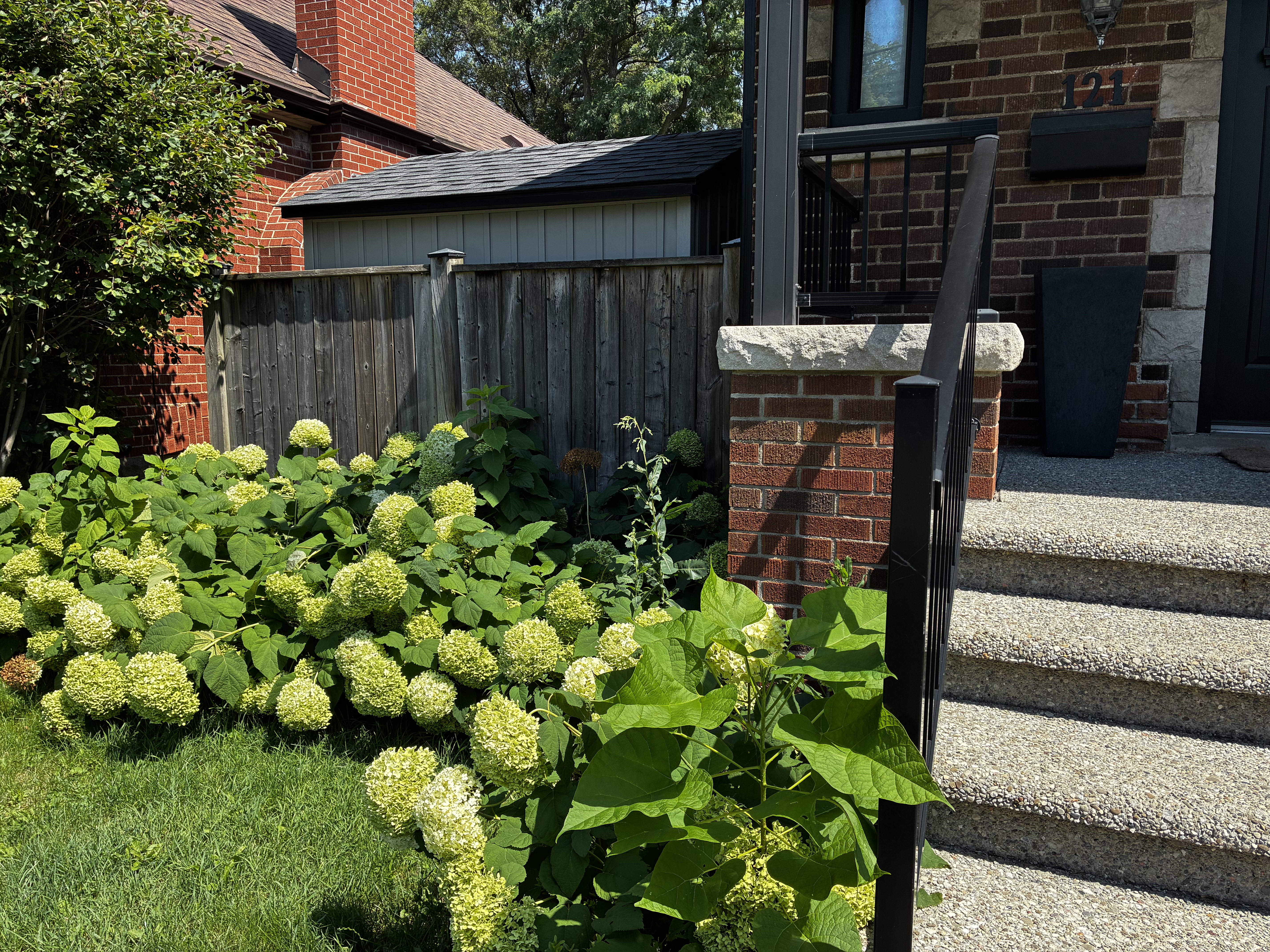
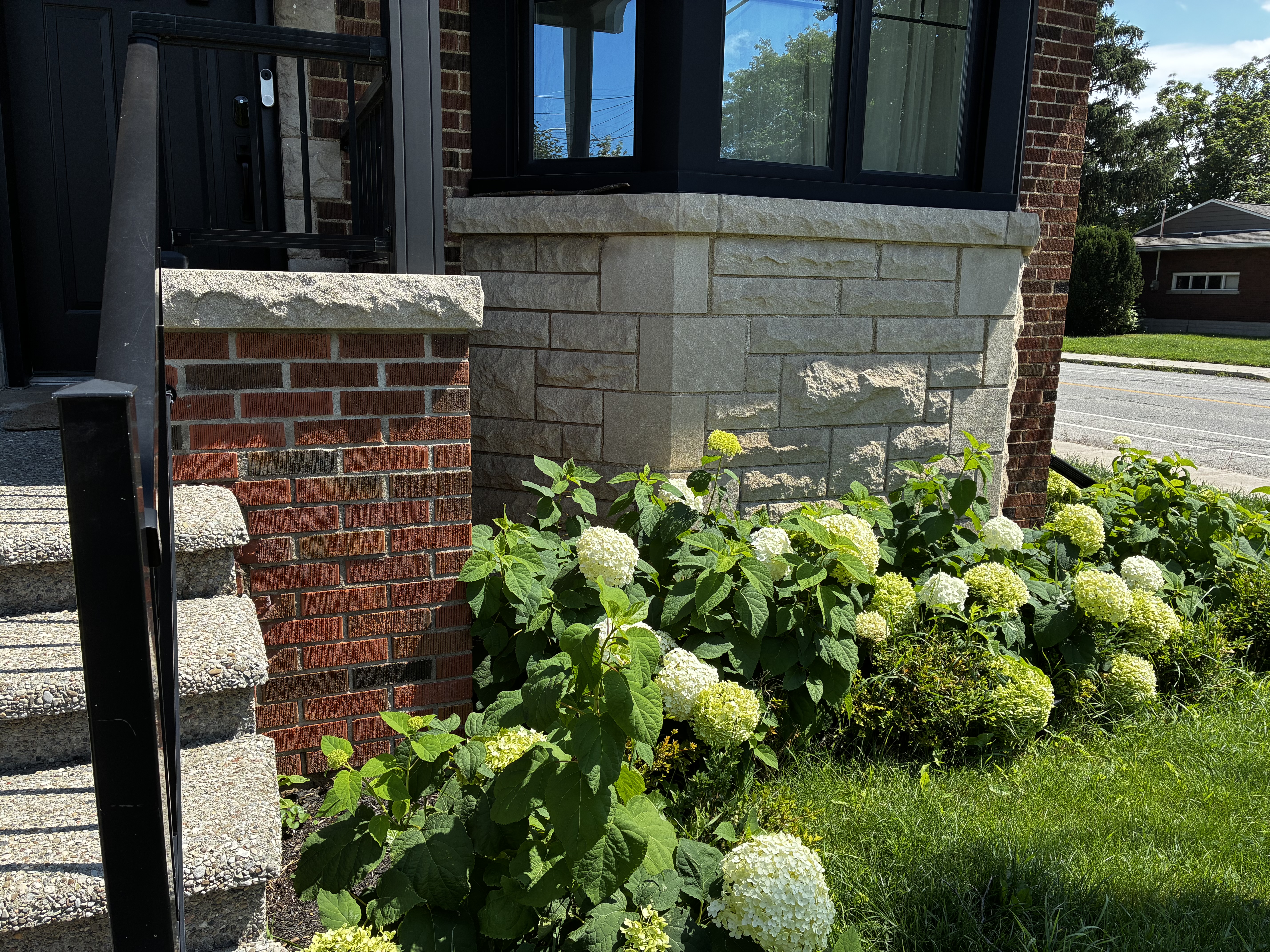
Though the execution of the project took an entire day, my interaction with Gemini only required a brief 20-30 minutes. The time spent was absolutely justified. I appreciated that both the AI and the gardening professional provided consistent guidance, allowing me to complete the project in one day.
The results were rewarding; a few weeks later, my hydrangeas began to look revitalized, full of life, and even started blooming again. It's impressive to see how AI can assist in practical gardening tasks.
This method isn't solely limited to hydrangeas. I utilized Gemini's insights to address another area of my yard leading to the shed. To my surprise, Gemini remembered our previous conversation and confirmed that a similar approach could be applied to that part of my home.
While I don't believe we should rigidly rely on AI, it's clear that tools like Gemini can offer valuable insights in home gardening projects.