Android 17 QPR2 Beta 3 Enhances Security and Customization for Pixel Users
Google's rollout of Android 17 QPR2 Beta 3 is making waves among Pixel device users, particularly those eager for improved security measures against call-forwarding scams. This latest beta version addresses critical issues while introducing fresh customization features.
As part of this update, users enrolled in the beta program, including owners of the Pixel 6a, Pixel 7, 7 Pro, 7a, Pixel Fold, and Pixel Tablet, will receive version vCP41.260731.005.A2. Others will find version vCP41.260731.005.B1 available. Notably, this release focuses on fixing two prominent bugs that users reported: the visual glitches when accessing the notification shade and the Quick Settings menu, along with false warnings regarding battery capacity in the Device Health tool.
Security Enhancements
The standout feature in Android 17 QPR2 Beta 3 is the introduction of stringent security measures to combat call-forwarding fraud. Google has implemented API restrictions that require user confirmation before executing call-forwarding commands. This means that users manually inputting call-forwarding codes will encounter a new OS-level dialog for verification, significantly reducing the risk of social engineering scams.
Call-forwarding scams have plagued mobile users for years. These scams often involve fraudsters persuading users to transfer their calls to numbers controlled by the scammer. By integrating a verification dialog, Google is taking a proactive stance in bolstering user security. It's a step in the right direction, particularly as mobile threats become more sophisticated. The reality, though, is that while this measure helps, users still need to remain vigilant. Scammers are always evolving their tactics. A single additional confirmation prompt might not deter a determined fraudster, but it can definitely slow them down.
Customization Features
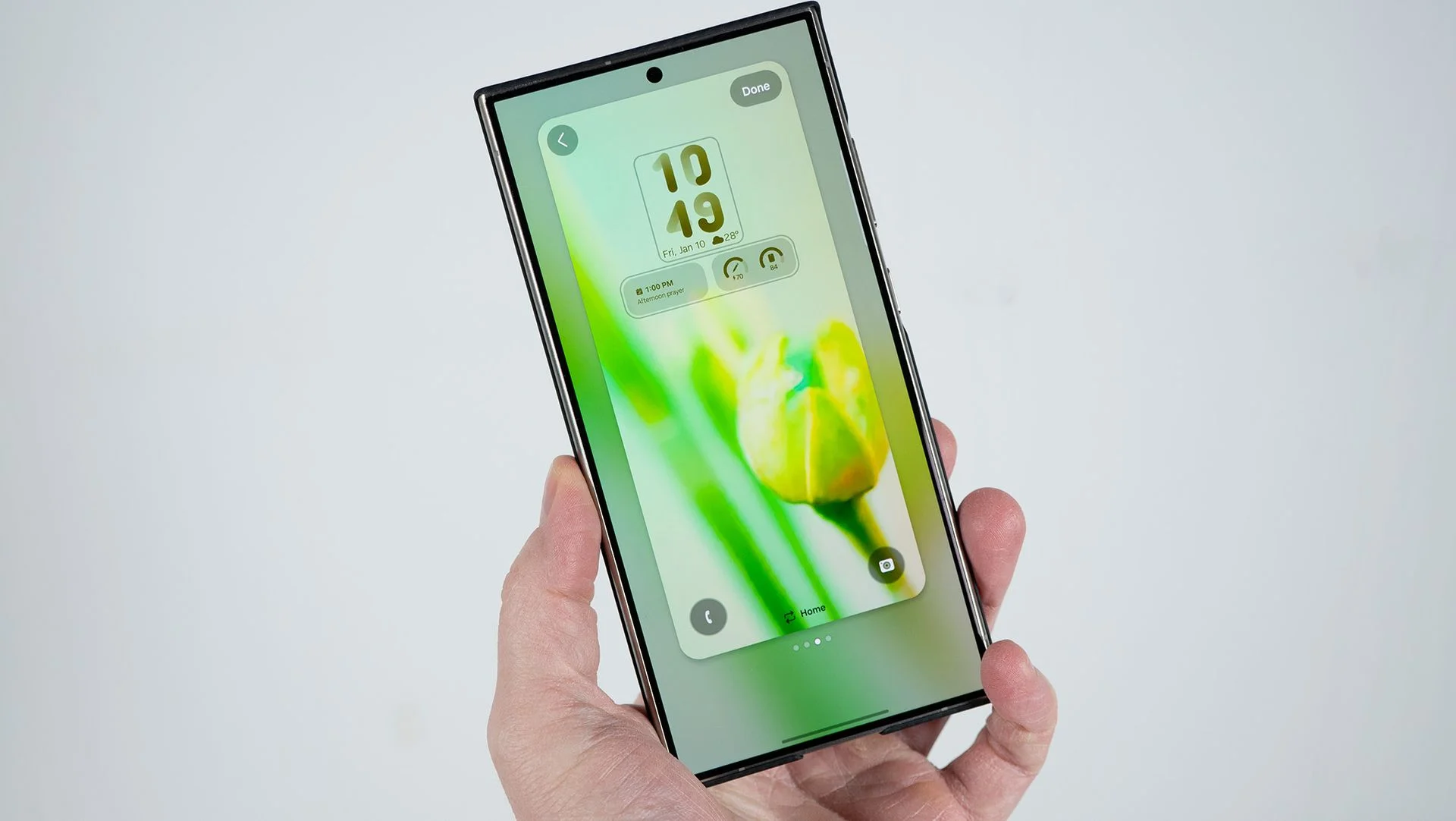
Aside from security upgrades, the beta brings a welcomed customization option for the Quick Settings layout. Users will now have the flexibility to rearrange key controls according to their preferences. Three distinct layouts have been introduced, enabling users to place media controls, brightness settings, and other tiles in positions that enhance their operation. This functionality ensures that users can prioritize the features they use most frequently, making the interface more intuitive.
The ability to customize layouts isn’t just about aesthetics; it’s about usability. Different users have different needs. Some prioritize media controls for music or podcasts, while others need quick access to connectivity settings. Offering three layouts addresses a diversity of user behaviors that previous iterations may not have accommodated. This kind of tailored experience can provide a sense of ownership over one's device, fostering a more personal connection to technology.
For foldable device users, there's also a new app handle feature in this beta. This handle allows for easier management of windows, letting users switch between full-screen and split-screen modes. Such features are increasingly relevant with the rise of larger screen devices as it enhances multitasking capabilities. (And this is the part most people overlook: ease of use in what’s typically seen as a niche category.)

Looking Ahead to Pixel 11
Diving deeper, QPR2 is likely to serve as Google's next Pixel Feature Drop scheduled for December 2026. This update follows a consistent pattern of improvements since the beta testing began in mid-July, focusing on stability and user experience enhancements. Users also saw the removal of the Pixel 6 and Pixel 6 Pro from the beta program, marking the end of update support for these models.
The timing here is key. As users anticipate the eventual rollout of new features, there's an underlying concern about support for older models. Deprecating devices like the Pixel 6 and 6 Pro raises questions about upgrade cycles and consumer expectations. People investing in technology now expect their devices to receive updates for several years. Google's strategy may serve its current line well, but it risks alienating loyal customers who feel their devices have been prematurely cast aside.
As anticipation builds, the Pixel 11 series is now available for pre-order, with the official shipping date approaching. This excitement surrounding new hardware contrasts with the gradual phasing out of previous generations, ensuring that Google's latest offerings remain at the forefront of user preference. If you're working in this space, you'll want to keep an eye on how market reception aligns with these strategic decisions, particularly as competitors vie more aggressively for user loyalty.
Future Outlook
The developments in Android 17 QPR2 Beta 3 suggest an ongoing investment by Google in both security and user experience. As mobile users face threats that are more complex than ever, these updates signal a serious effort to adapt. However, one can’t help but wonder how sustainable this approach is. Will future updates continue to prioritize security while also catering to the increasingly diverse needs of users? This beta could very well set the stage for what's next, but only time will tell if Google maintains this trajectory.
In the end, while the update addresses immediate concerns, it’s the long-term user experience that will define its success. Features might excite a segment of users today, but without ongoing support and evolution, even the best-designed updates may fall flat in relevance tomorrow.