First Fitbit Air Update Aims to Resolve Early User Issues
What You Should Know
- Google is launching its inaugural update for the Fitbit Air on both Android and iOS platforms this week.
- The brief patch notes mention "bug fixes," raising hopes for solutions to several initial problems.
- After the device's release in late May, Google expressed its intention to address concerns, particularly around workout detection and Health app functionality.
The Fitbit Air has generated considerable buzz, largely due to its minimalist design, which draws comparisons to competitors like Whoop. This June, Google's first software update is rolling out to address some of the initial issues surrounding the device. Users are hoping this update will enhance the functionality and user experience.
This week, users began receiving the update, designated as v67.20001.253.2, which is being spread gradually to Android devices. Many users are still waiting for the rollout, as it has yet to reach a broad audience. The lack of specific information in Google's update notes raises eyebrows. Customers want clarity on which issues are being targeted for resolution.
There's a prevailing sense that the rollout of the Fitbit Air and the Google Health app felt somewhat hasty. While Google's eagerness to release these products is understandable, several issues persist. The silver lining is that Google is committed to addressing these concerns, which, while appreciated, might not be enough to assuage the frustrations of early adopters.
The only details in the patch notes focus on "bug fixes and general improvements." Although Google remains tight-lipped about specific enhancements, there's an implication that substantial work is ongoing behind the scenes. These updates are critical, especially as the Fitbit Air and the revamped Google Health app launched together, yet early reviews indicated a need for further refinement of the Health app itself.
Android Central's Sanuj Bhatia pointed out several missing features within the Health app that might enhance its overall utility, which the Fitbit Air also suffers from. Despite these concerns, Google has maintained that it is dedicated to rectifying issues impacting both the wearable and the app alike. For users frustrated by the device's initial shortcomings, this commitment could act as a balm, but actions speak louder than words.
Light as Air
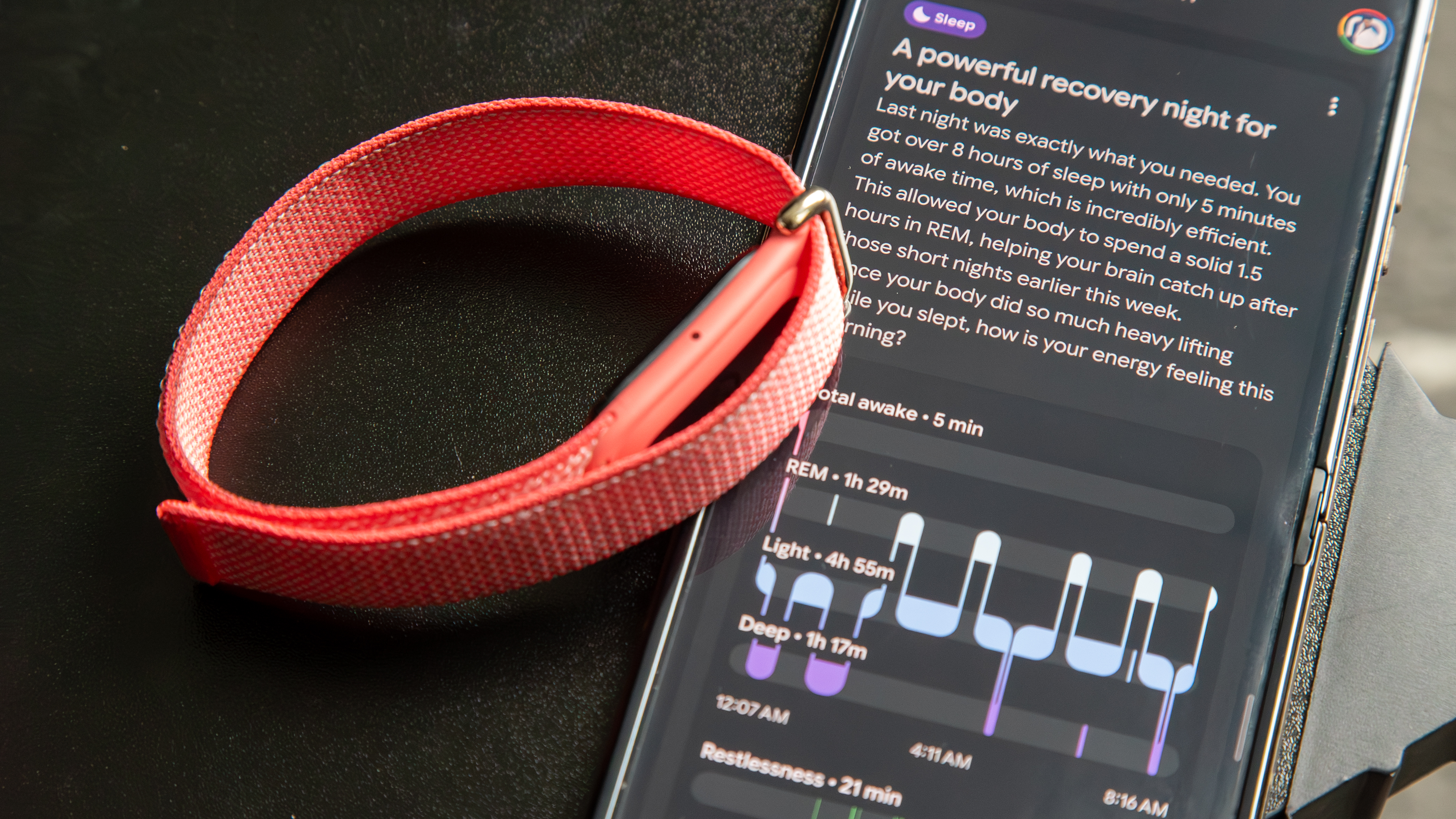
In the aftermath of the initial launch, Google has acknowledged existing flaws within both the Health app and the Fitbit Air. The company is actively rolling out updates intended to enhance workout tracking and sleep scoring and improve connectivity with the Fitbit Air. One promising feature on the horizon is an option for users to customize their Health dashboards, allowing for better personalization of metrics displayed. This kind of flexibility is something consumers increasingly expect from their apps.
Moreover, Google is focused on bettering automatic workout detection and addressing inconsistencies in workout data—two areas that have garnered significant user criticism. However, if substantial improvements had truly been made, one might expect these updates to be front and center in this week's patch notes. Users should remain vigilant, monitoring feedback as the update reaches a wider audience. It’s a hit-or-miss proposition, unfortunately.
Considering the absence of a Health app update left many early Fitbit Air adopters frustrated, it's essential for Google to make noticeable progress. And this is the part most people overlook; future updates need to offer tangible fixes and enhancements to satisfy consumers who are growing impatient. The pressure is mounting as we approach the end of June, with users anxiously anticipating improvements.
Implications and Future Outlook
The implications of these updates extend beyond just fixing bugs. Google’s move is indicative of a company trying to carve out a meaningful presence in the wearable tech market. If they can successfully address user concerns, they could establish not only customer loyalty but also a richer ecosystem for health management in the long term. This market isn’t just about devices; it’s about creating a cohesive user experience across platforms.
What this means for you, the user, is that your experiences with the Fitbit Air and Google Health app may drastically improve if Google follows through on its promises. However, skepticism is warranted. Past experiences with technology companies show that intentions don’t always equate to actions. As we look ahead, whether these updates can resolve real issues will determine their fate in a competitive landscape.
If you're working in this space, keep an eye on user feedback and updates. The need for constant improvement in fitness technology is vital, and how Google handles this will set a precedent for future devices. The stakes are higher than ever, and it’s not just about features but overall usability and customer satisfaction.