Samsung's Galaxy S27 Ultra Embraces New Design with iPhone Inspirations
Rumors surrounding Samsung's upcoming Galaxy S27 Ultra indicate a significant redesign that resembles Apple's latest offerings, particularly the iPhone 17 Pro. As Samsung shifts focus from the recently launched Galaxy Z Fold 8 series, the anticipation for the next flagship smartphone is palpable. The competition in the high-end smartphone market remains fierce, and Samsung seems to be re-evaluating its design strategies to maintain relevance and appeal.
A History of Design Choices
In recent years, Samsung's Galaxy S lineup has showcased a consistent vertical camera arrangement, leading to criticism over the lack of fresh aesthetics. Established design patterns can sometimes stifle innovation; with users growing accustomed to a specific look, manufacturers like Samsung risk becoming predictable. This time, it seems Samsung is ready to break away from that pattern, channeling some of Apple's design philosophy in the process. This isn't just about a new look; it may reflect a strategic pivot to respond to consumer preferences as well.
Leaked Insights and Speculations
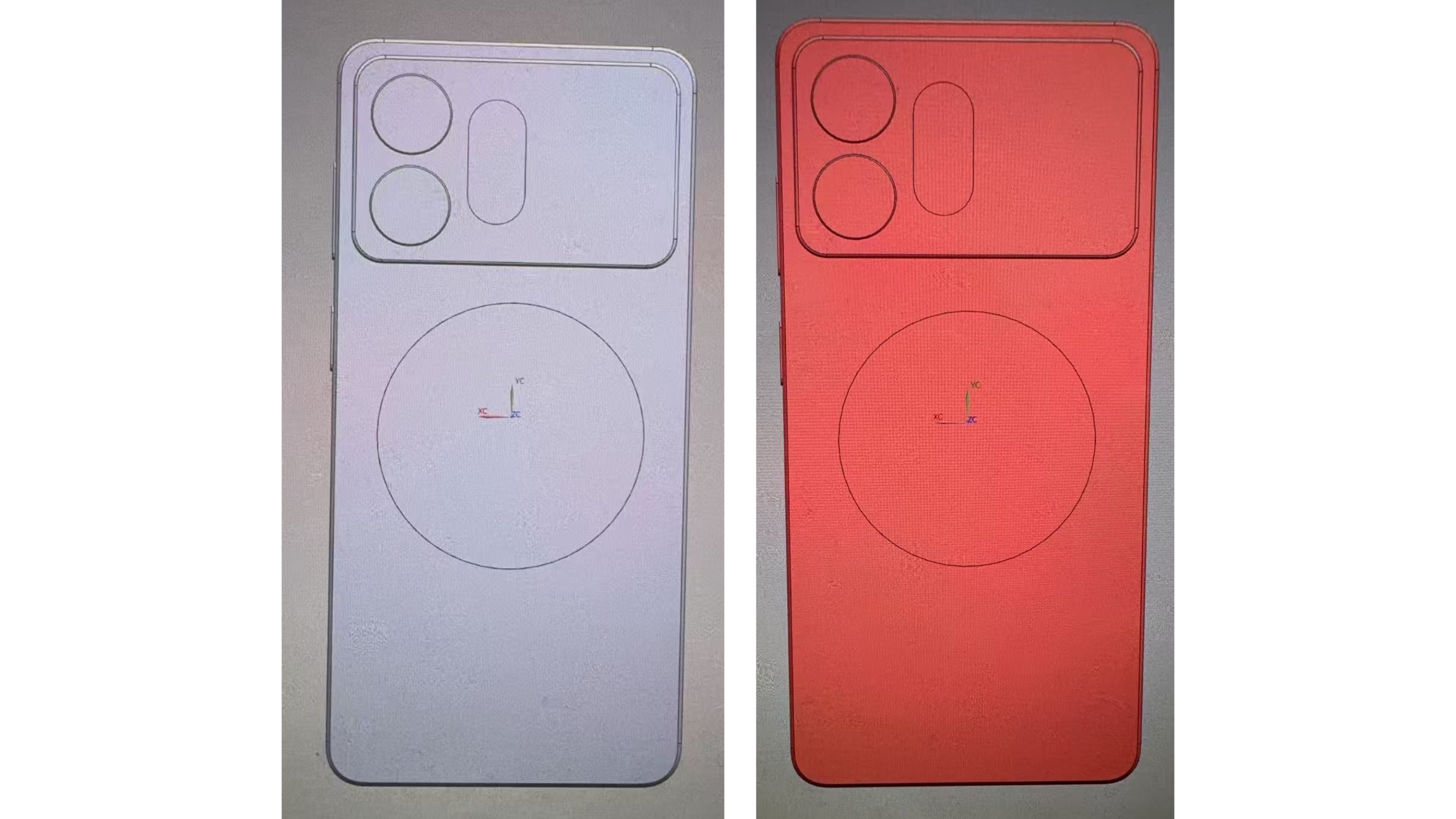
Insiders including Sonny Dickson have revealed leaked images of the Galaxy S27 Ultra that highlight a new horizontal camera plateau across the rear, featuring two prominent camera lenses alongside an extended segment for additional sensors and an LED flash. This marked shift in the camera's position isn't merely aesthetic; it often points to improved functionality. Horizontal setups usually allow for better sensor arrangements and potentially more advanced imaging capabilities, weighing in heavily on user experience and photography output.
Charging Innovations and User Demand
Interestingly, the leaked images suggest the inclusion of a magnetic Qi2 ring, hinting at native Qi2 support, a feature long-awaited in Samsung devices. The elevation to Qi2 compatibility could enhance the charging capabilities and user experience considerably. While wireless charging has become a common expectation among flagship devices, this new support could streamline the user interface considerably. It encourages a more intuitive approach to powering up devices without the frequent hassle of find specific cable accessories—something many users would appreciate. Loyal Samsung fans have clamored for this advancement for a while now, and the mainstream adoption of wireless charging continues to grow.
Size Options: A Possible Diversification
Additionally, there are indications that Samsung might offer the Galaxy S27 Ultra in two sizes, potentially introducing a smaller Ultra variant for the first time. This diversification could attract users who prefer a more compact device without sacrificing top-tier features. While larger screens have dominated the market, there's a segment of users who still value portability. By offering a smaller variant, Samsung positions itself as responsive to varied consumer needs, which could pay dividends among a demographic less inclined to lug around larger devices. If you're working in this space, you'll recognize that flexibility in product offerings is often a key metric of success.
Design Implications and Market Reactions
While the official launch of the Galaxy S27 series is still months away, these leaks point toward a bold stylistic shift. A change in design philosophy can have significant implications for Samsung's market positioning. Apple has captured the high-end market with a particular design language and user experience, and if Samsung can replicate or pivot upon that success, it could redefine competitive dynamics. It remains to be seen how much of this design will hold true when Samsung finally unveils its flagship lineup, but if these leaks are indicative of a genuine shift, they could mark a transformative moment for the brand.
Here's the thing: This isn’t just about aesthetics. It's about exceptional user experiences and meeting evolving consumer preferences. Samsung has a history of pushing the envelope with features, but staying stagnant in design could erode brand loyalty among high-end users.
What It All Means for the Future
In an industry where consumer loyalty can be fickle, Samsung's willingness to adapt in its design choices — albeit under pressure — might resonate well with tech enthusiasts and casual users alike. The mainstream tech audience is increasingly aware of and sensitive to how device designs evolve, and many expect brands to innovate continually. This is more significant than it looks; cosmetic changes have far-reaching impacts, influencing perceived brand identity and user satisfaction. If Samsung leverages these shifts wisely, it could carve out a more competitive stance against rivals.
What are your thoughts on the proposed design direction? Share your opinions in the comments.