Apple’s iPhone Duo: A New Era in Foldable Smartphones
Introducing the iPhone Duo
The iPhone Duo has officially entered the foldable smartphone arena, boasting an innovative design that merges the functionality of a phone and a tablet. Apple describes this device as a blend of “thoughtful design with breakthrough engineering,” highlighting its dual-product purpose. While the name may evoke memories of previous foldable offerings from competitors like Microsoft, it's clear Apple aims to carve out its own niche. With Apple's reputation for quality and design, expectations are high. The question remains: can the iPhone Duo meet those expectations in a crowded market?
Design and Build Quality
Differentiating itself from traditional book-style foldables, the iPhone Duo features a wider, shorter design aimed at enhancing user experience. It includes a 5.4-inch outer display and a 7.6-inch inner panel, all encased in a robust titanium chassis. At just 5.3mm when unfolded and weighing 254g, it isn't the lightest on the market—Android's latest offerings, such as the Pixel 11 Pro Fold, weigh even less—but it does offer IP68 dust and water resistance, a significant feature for durability. Many in the industry recognize the importance of being resistant to both water and dust, especially for users who lead active lifestyles or work in demanding environments. This focus on durability raises the standard for foldables.
Display Technology
Apple's approach to the inner display is noteworthy; the company employs a dual-layer glass design that prevents deformation over time, a common issue with flexible screens. This engineering refinement should improve longevity, and it’s likely that competitors like Google might adopt similar strategies for their upcoming devices. Additionally, a nano-texture coating on the inner display reduces glare, enhancing visibility under various lighting conditions. Display quality is critical for a device of this nature, as many potential users will look for entertainment and productivity features. A higher-quality display can make a significant difference when consuming media or conducting video calls. After all, it's all about user experience.
Functional Design Elements
Available in Star White and Night Sky colors—featuring an attractive blue hue—the Duo’s hinge offers smooth articulation and stability, allowing it to be positioned at various angles. This feature opens avenues for unique usage scenarios, such as taking photos or consuming media hands-free. The hinge's design is more than just cosmetic; it impacts how the device can be used in real-life situations. The new StandBy mode also adds to its versatility, functioning even when the device is not plugged in. It's a handy feature that lets users glance at the time, notifications, or calendar events without needing to fully open the device, making it more functional in everyday use.
User Authentication and Camera Features
Unlike its predecessor that incorporated Face ID, the iPhone Duo opts for Touch ID integrated into the power button, a feature reminiscent of the iPad Mini and many Android counterparts. Touch ID has its strengths, particularly in speed and reliability, but Apple risks alienating some users who prefer the facial recognition technology that has become synonymous with its recent models. The device has a hidden inner panel camera designed for calls, offering a quirky yet practical solution in terms of aesthetics and functionality. This hidden feature speaks to Apple's clever design ethos—an avoidance of a 'notch' that would detract from the screen experience. Users looking for an unobtrusive design might find this choice appealing.
Enhanced Usability with Accessories
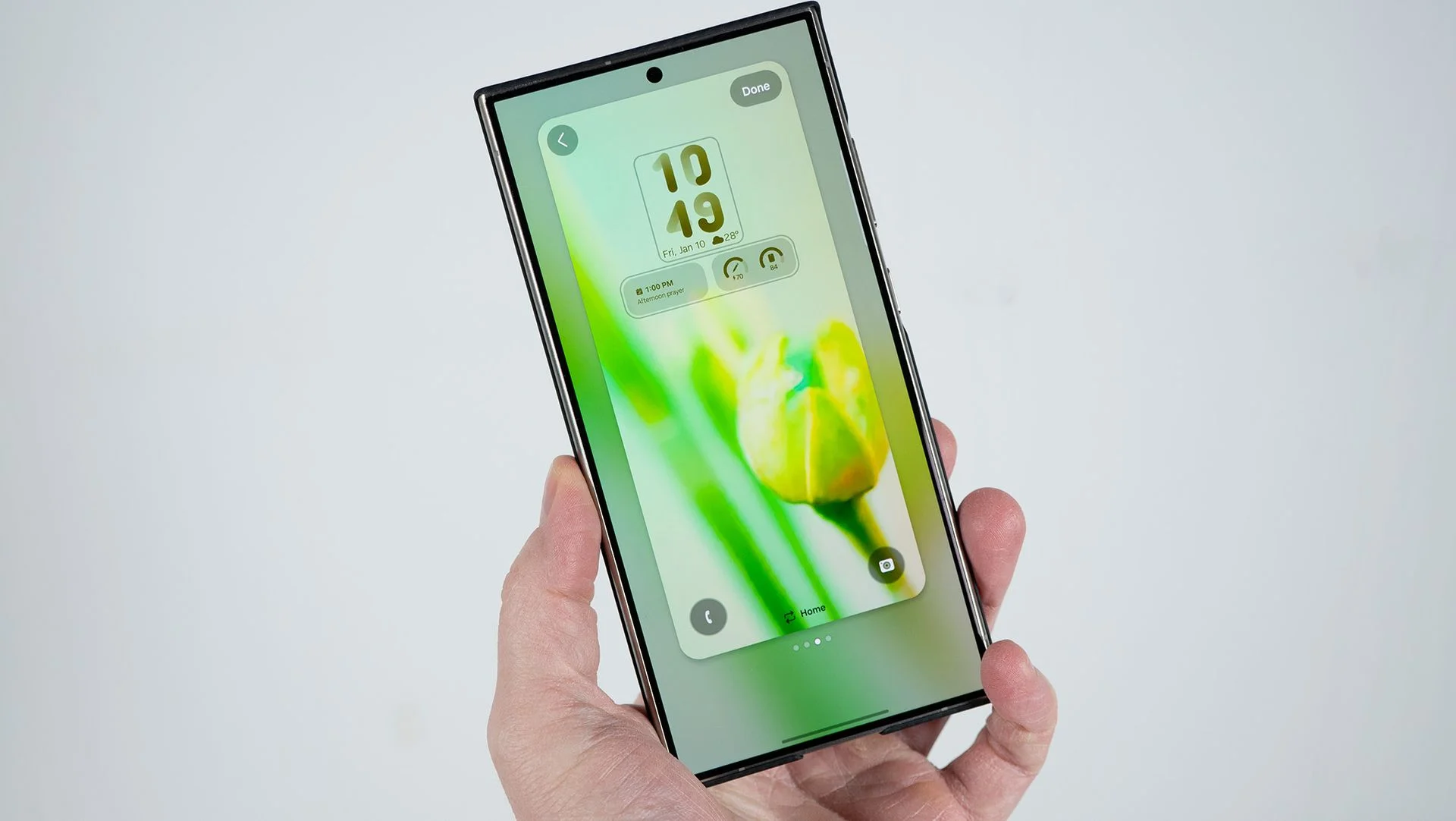
One feature to note is the upcoming compatibility with the Apple Pencil, set to launch later this year. For those who frequently use a stylus, this partnership significantly expands the Duo’s capabilities. Integration with the Apple Pencil could elevate the device’s usefulness for artists and note-takers alike, positioning it as not just a smartphone but also a legitimate creative tool. The software experience appears strong, with a Liquid Glass interface that transitions smoothly between the outer and inner displays. UI adjustments accommodate the unique dimensions of the device, offering vertical dock layouts and effective split-screen multitasking, similar to Apple’s tablet lineup. That kind of flexibility will likely appeal to power users and professionals needing a device that can switch between tasks effortlessly.
Performance Specifications
Packing the latest A20 Pro silicon built on a cutting-edge 2nm process, the iPhone Duo promises impressive performance efficiency. Storage options begin at 256GB and extend up to a whopping 2TB, catering to users with extensive media libraries or heavy app usage. In a world where mobile gaming and productivity apps demand significant resources, strong performance specs are non-negotiable. The fact that the Duo can handle intensive tasks could sway users who prioritize performance alongside design.
Camera Limitations
However, the device does face some criticism concerning its camera system. While it includes a 48MP main sensor and a 48MP wide-angle lens, the absence of a dedicated telephoto lens is a notable omission, especially for photography enthusiasts accustomed to more versatile camera setups. This gap in features could be a dealbreaker for users who rely heavily on mobile photography and are looking for something more than what the iPhone Duo offers. However, it does remain to be seen whether Apple plans to address this in future iterations or through software enhancements.
Pricing and Availability
The iPhone Duo is set to begin pre-orders on October 16, with a launch price of $1,999. Its global availability will cover over 70 countries on the first day, expanding to 28 additional regions by month-end. However, the pricing does see considerable variation internationally, with some regions facing costs nearing $2,700. This pricing strategy positions the Duo at the high end of the market, appealing to consumers willing to invest in quality. It also raises questions about how price-sensitive the target market might be, especially in regions facing significant price hikes. Is this pricing aligned with the value delivered?
Implications and Future Outlook
When you consider the implications of the iPhone Duo, it becomes clear that Apple is not just entering the foldable market; it is attempting to redefine it. The combination of form factor, performance, and unique features could establish a new standard for what foldable devices can achieve. However, the absence of some expected features could leave room for competitors to exploit these gaps. If you're working in this space, you'll want to closely observe how Apple navigates customer feedback and market reception post-launch. As more users evaluate practicality against premium pricing, subsequent models will likely depend on how well the iPhone Duo meets its ambitious promises.