Key Features of the iPhone Duo and iPhone 18 Pro That Android Should Embrace
Introduction to Apple's New Offerings
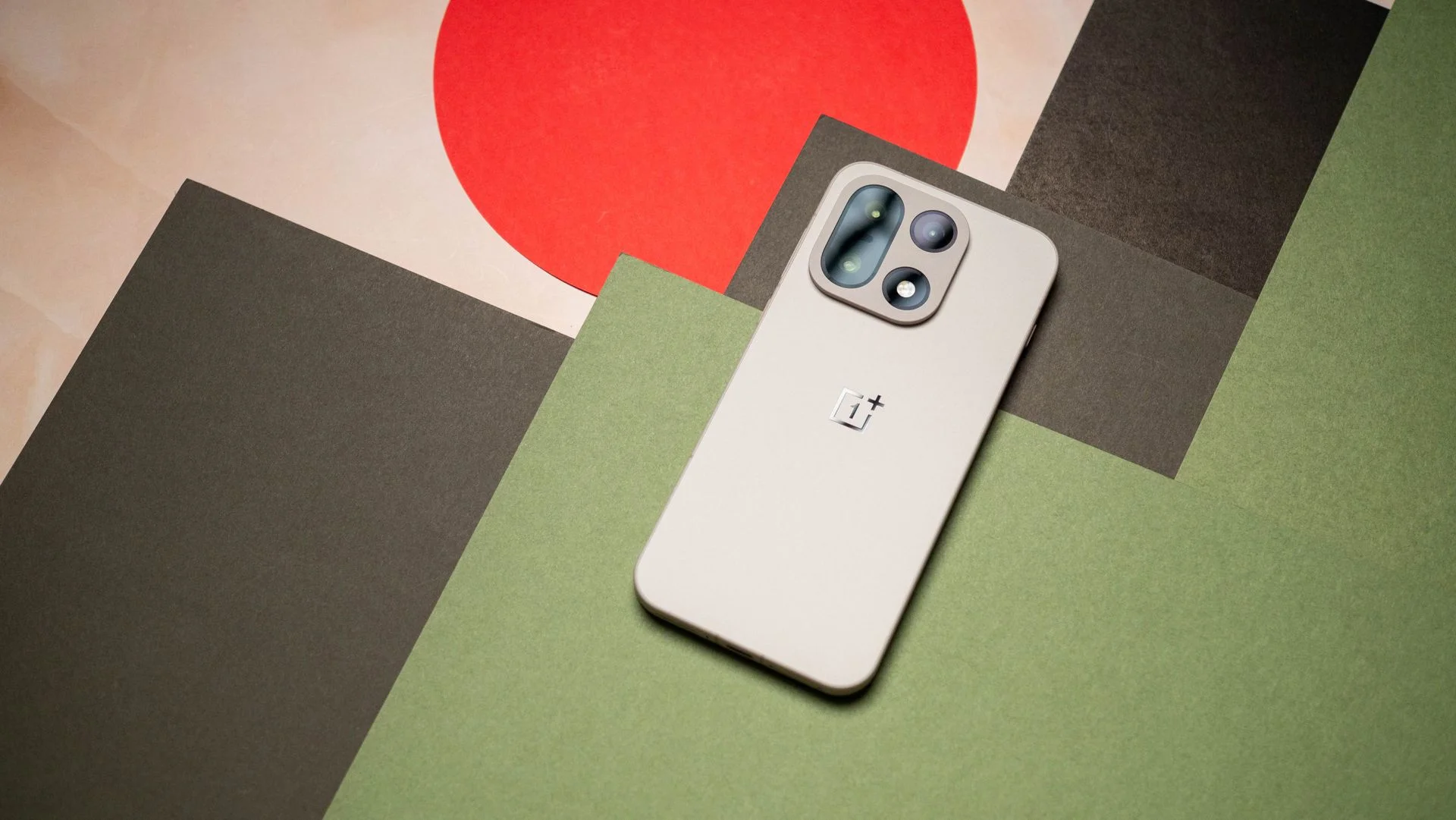
Apple recently launched its much-anticipated first foldable smartphone, the iPhone Duo, along with the iPhone 18 Pro and iPhone 18 Pro Max. Apple has often faced criticism for trailing its competitors in certain technological aspects, especially regarding innovations in smartphone designs. Yet, this time, Apple has integrated several notable technologies that might prompt Android manufacturers to reassess their strategies and approaches. It's not just about the products themselves; the implications of these innovations could ripple through the industry, forcing rivals to innovate or risk becoming obsolete.
The iPhone Duo's Unique Display
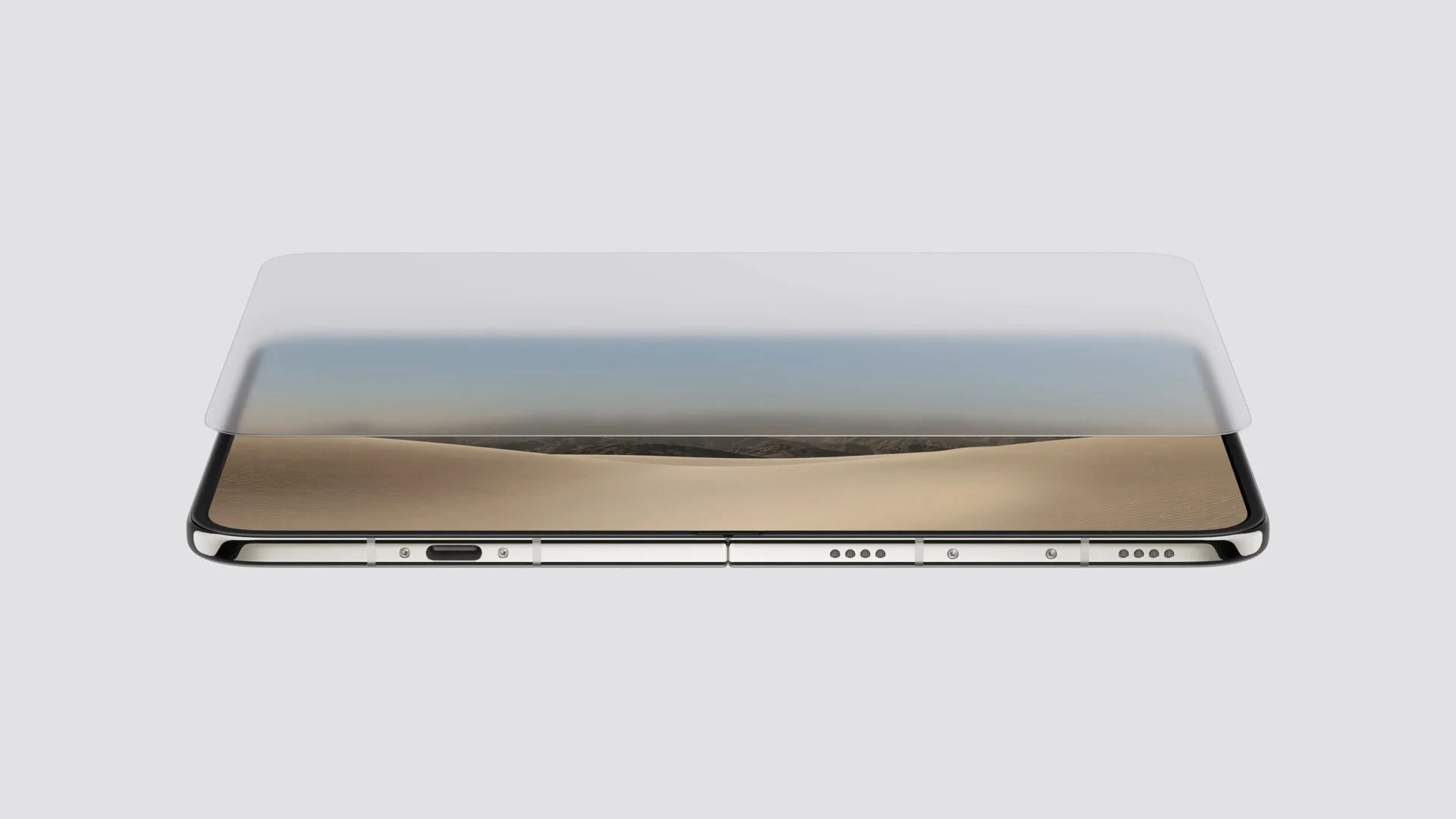
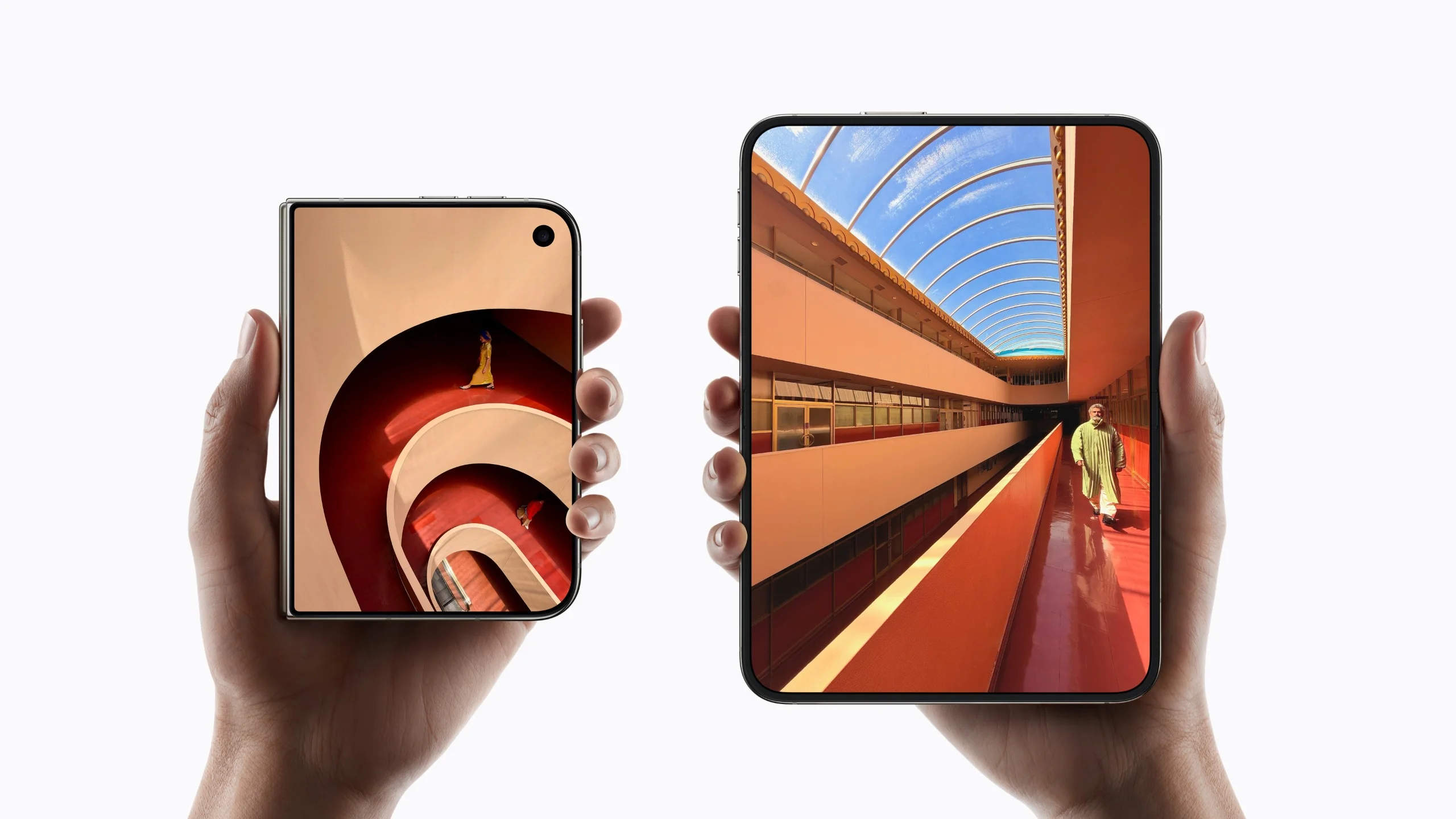
The iPhone Duo sports a foldable nano-texture display that is uniquely designed to minimize the visibility of the crease that typically plagues folding screens. Sporting a matte finish, this display not only reduces glare but also considerably cuts down on fingerprints, enhancing usability in varied lighting situations. This nuanced approach to display technology isn’t merely an aesthetic choice; it offers a significant shift in user experience and could serve as a compelling reference point for Android device manufacturers looking to improve their foldable offerings. The sheer visibility of creases has often stymied the adoption of foldable designs, making Apple's solution particularly significant.
Reviving Under-Display Cameras

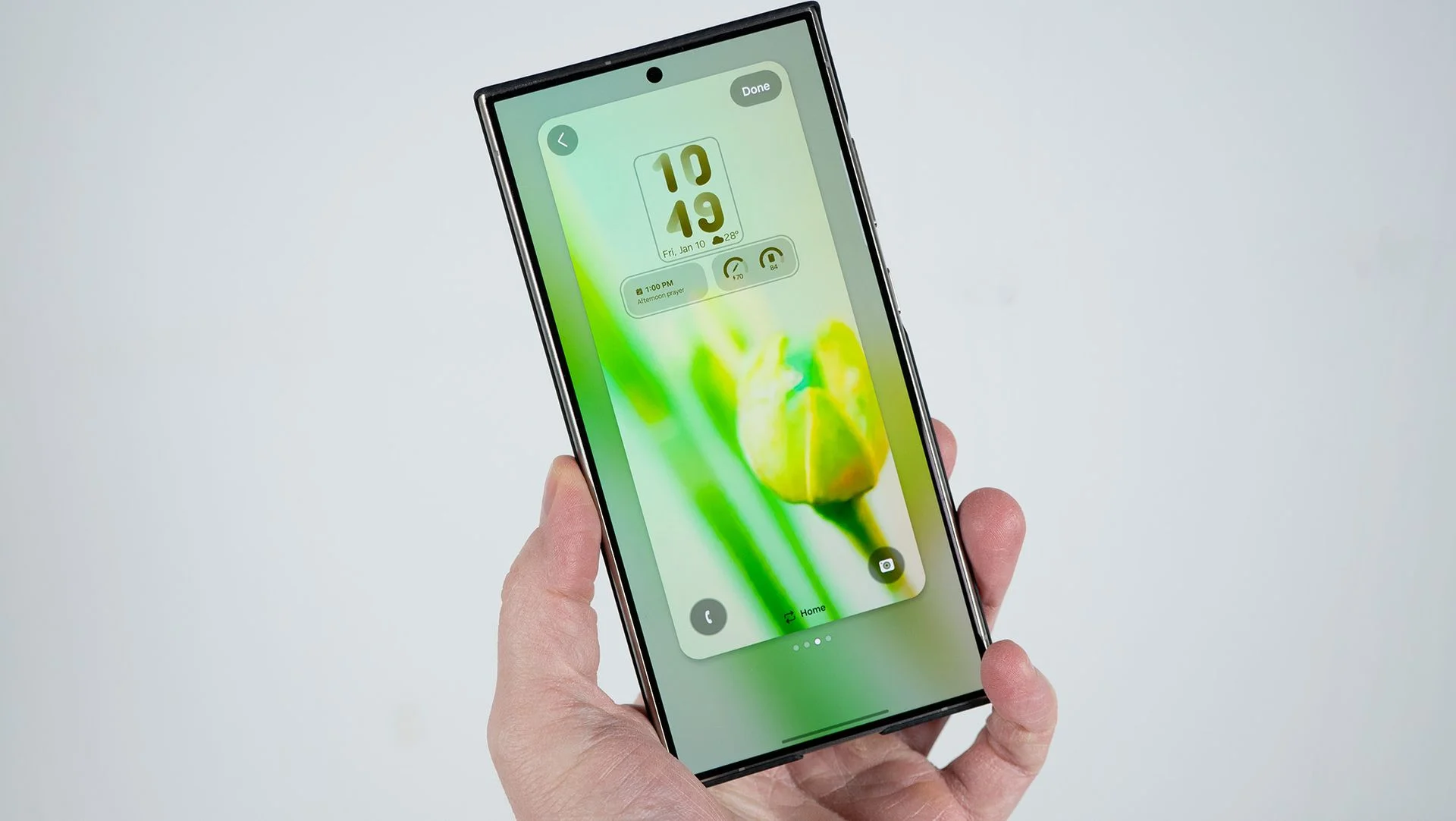
The trend of under-display cameras (UDC) gained initial popularity through Android devices like the Galaxy Z Fold 3; however, recent models from various brands have largely reverted to more intrusive hole-punch designs. This shift raises questions about user priorities when selecting smartphones, especially where aesthetics are concerned. By adopting UDC in the iPhone Duo, Apple could catalyze a revival of this technology, allowing users to enjoy a cleaner and more immersive screen experience—something many Android users have felt is lacking in the current offerings. This could potentially set a new expectation for what consumers want from their devices and pressure competitors to reintroduce or enhance similar features.
Variable Aperture Technology
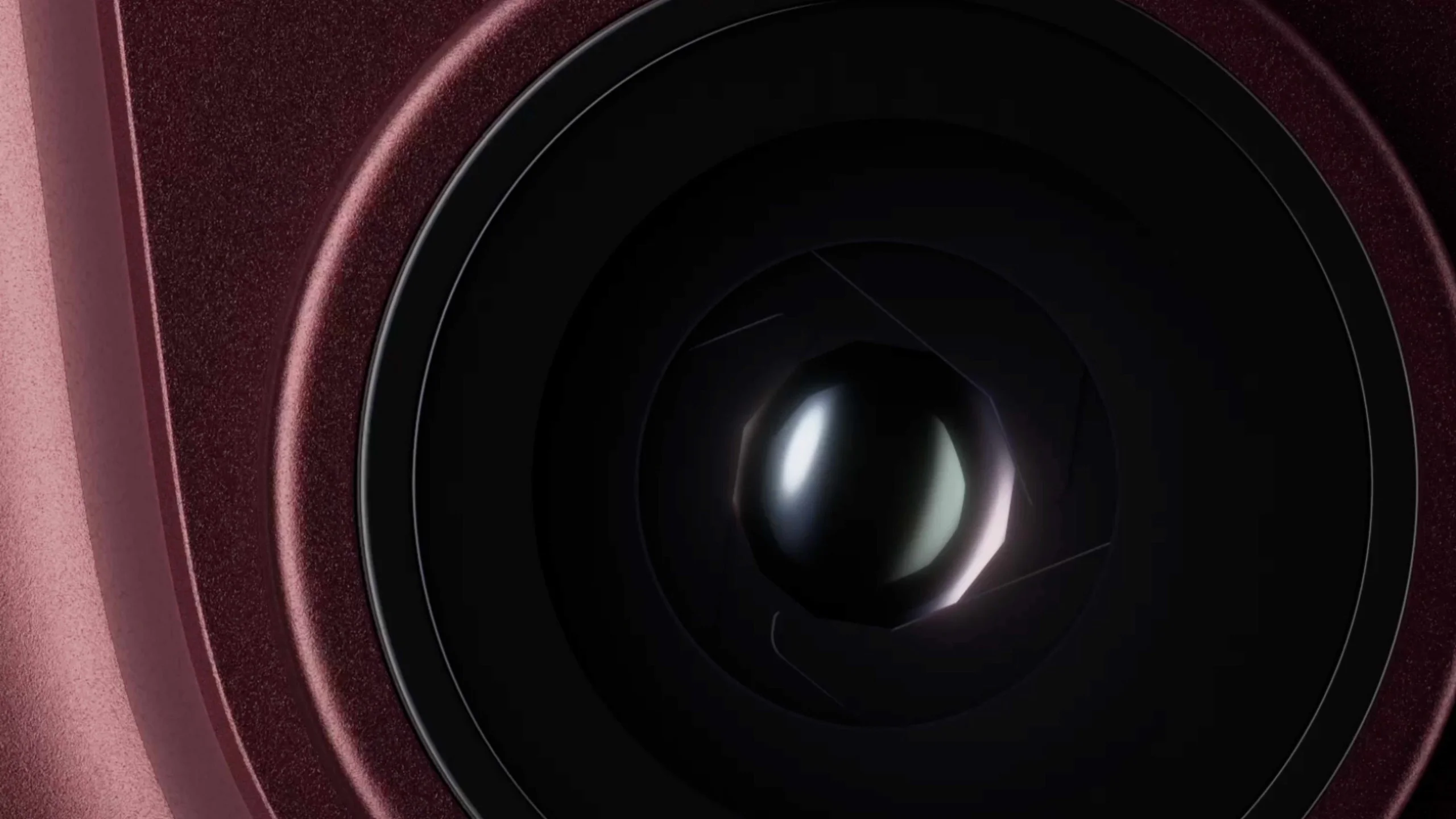
The iPhone 18 Pro introduces a unique variable aperture feature, allowing the main camera to transition between f/1.8 to f/4.0. This level of adaptability offers photographers—both casual and professional—greater creative control over their shots, particularly in varying lighting conditions. This feature could inspire Android manufacturers to pivot toward more innovative camera systems that couple versatile optics with enhanced low-light performance. It's a move that reflects an increasing demand for greater customization in smartphone photography, a field where consumer expectations are continuously rising. These advancements in photographic technology not only elevate user experiences but also provide a competitive edge in an overcrowded market.
Enhanced Connectivity with iPhone Handoff
Another key feature is iPhone Handoff, which allows multiple iPhones to share a single phone line via eSIM profiles. This enhancement in connectivity could drastically simplify the lives of users juggling multiple devices. Imagine a scenario where your wife’s or husband’s phone is also your work phone, and being able to manage it easily without extra SIM cards is a notable convenience. If Android manufacturers adopt similar functionalities, it could lead to more cohesive and user-friendly ecosystems that serve the modern multi-device lifestyle more effectively.
Refined User Experience Through Animations
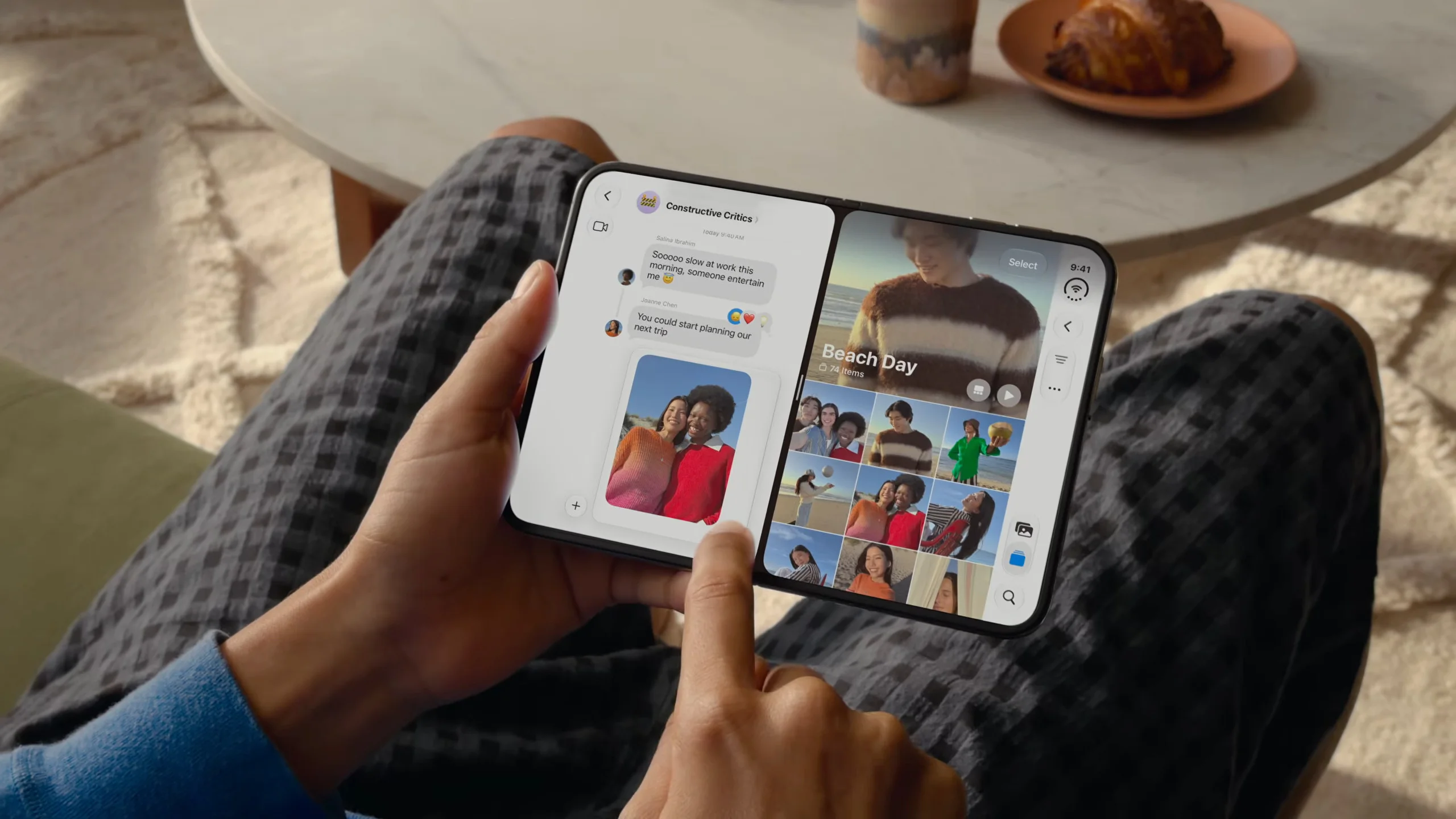
iOS 27 debuts unique animations for the iPhone Duo, with features like a streamlined transition effect that significantly enhances user interactions when opening the device. These design flourishes may seem small, yet they enrich the overall user experience in a way that some Android devices lack. And this is the part most people overlook: subtle animations can play a substantial role in defining how intuitive and enjoyable a device feels to engage with. For Android manufacturers, emulating this attention to detail could yield dividends in user satisfaction and retention.
Cleaning Up: Features to Consider
Many standout features present in the iPhone Duo and iPhone 18 Pro are unique to Apple, yet the innovations show what Android could achieve with similar advancements. Elements such as improved display materials, advanced camera technology, and an intuitive user interface can differentiate devices in a marketplace saturated with offerings. If you’re working in this space, it’s essential to recognize how Apple's focused push for quality can set a new standard that impacts consumer expectations on both sides of the aisle. As we watch both platforms evolve, innovations on either side could lead to more refined and compelling products that meet today’s consumer demands.
Implications and Future Outlook
The iPhone Duo and iPhone 18 Pro symbolize Apple's strategy to not just fill gaps in their lineup but also to redefine consumer expectations through quality and innovation. By adopting features such as the nano-texture display, under-display cameras, variable apertures, and an enhanced user experience, Apple is pushing the envelope and challenging Android manufacturers to innovate. The implications extend beyond just Apple; they could usher in a phase where Android is compelled to enhance their own offerings to stay competitive. As the tech ecosystem continues to mature, keeping an eye on these advancements can provide insights into how both Apple and Android will shape the future of smartphones.