Samsung's One UI 9 Update Launches, Enhancing Galaxy S26 Experience
Key Details
- Samsung has officially initiated the stable One UI 9 update for the Galaxy S26 series, starting with South Korea and set to reach additional markets soon.
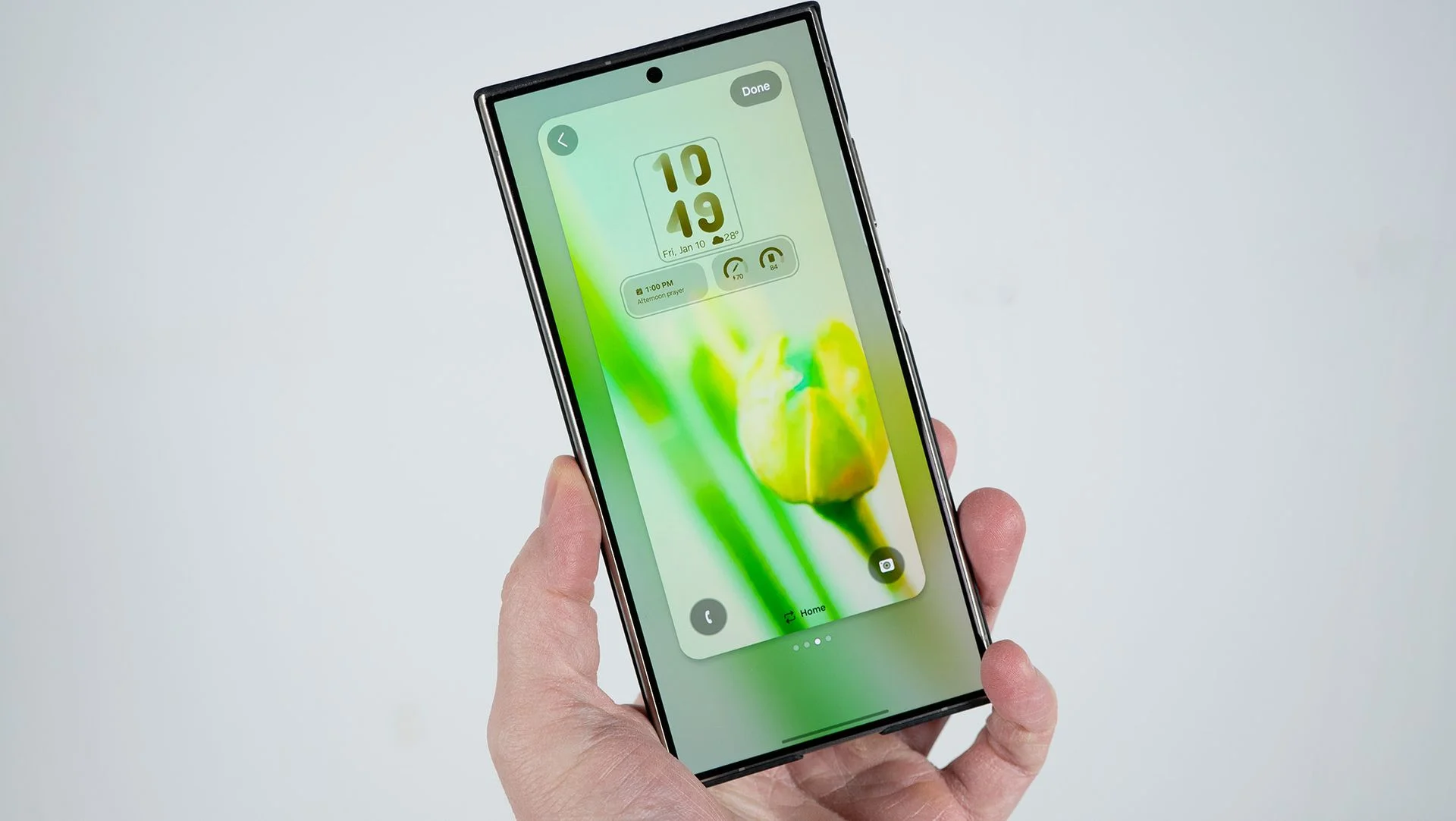
- This update introduces features like My FanCam and customizable Now Brief cards for enhanced usability on the Galaxy S26 lineup.
- Seven beta versions were released over nearly five months, allowing ample time for feedback and bug fixes leading to the stable release.
The rollout of One UI 9 for the Galaxy S26 series has finally commenced after an extensive beta testing phase initiated in May. Starting September 16 in South Korea, the update is now gradually introducing itself to other regions around the globe. While such updates have become routine for smartphone manufacturers, Samsung's approach hints at a commitment to user engagement and continuous improvement.
The Testing Phase
The journey to the final update was thorough, with Samsung offering seven beta builds that facilitated user feedback and software refinement. Conducting extensive beta tests isn’t just a box-ticking exercise; it’s a strategy that yields a better user experience by ensuring the software is polished before the public rollout. Beta testers often uncover bugs and suggest features that may not have been anticipated. It’s an opportunity for users to shape the software, creating a sense of community much like crowdsourced innovation. This method pays off, especially given that updates in the mobile space can significantly influence user retention and satisfaction.
Moreover, the stable release incorporates the September security patch, ensuring improved device safety. Security updates are often overlooked, yet they are vital for maintaining user trust. They address vulnerabilities that hackers could exploit—especially in a landscape where data breaches are becoming alarmingly common.
New Features and Enhancements
Among its notable features, One UI 9 incorporates advanced Galaxy AI functionalities first seen in Samsung’s foldable devices. It’s no coincidence that Samsung has chosen to include features that enhance usability through AI; this is an ongoing trend in the tech world. What users can expect is a smoother experience that feels more intuitive. One standout feature is My FanCam, which keeps a selected person in focus while adapting video aspects for optimal viewing. This can greatly improve video calls or content creation, showcasing the burgeoning interest in personal broadcasting.
Alongside this, the Now Brief cards receive customization options, along with improved security and privacy details. Now, users have more control over what information is presented and when it appears, making the experience feel more tailored. That's particularly relevant in today's climate where users are increasingly concerned about privacy and how their data is managed. Improvements in this area can't be overstated; it shows an acknowledgment of users' evolving anxieties surrounding data sharing and security.
Furthermore, enhancements like Now Nudge introduce more contextual suggestions, aimed at anticipating user needs. These little improvements can make a big difference in the daily use of devices, as they aim to minimize friction and maximize efficiency. Other updates span tools such as Interpreter, Document Scan, and Voice Recorder summaries, all adding layers of utility to the software. Device care functionalities, like the Security Brief feature that proactively identifies risks related to malware and app permissions, underscore a philosophy of anticipatory computing—an approach that increasingly seeks to guard users against digital threats before they manifest.
A Comprehensive User Experience
What stands out with One UI 9 is its shift away from a singular headline feature. Instead, it integrates Samsung's AI, camera capabilities, and security measures into everyday tasks. It suggests that Samsung is moving towards a holistic user experience rather than merely stacking features for the sake of showing off. The implications of this approach can be significant; by intertwining various functionalities, Samsung provides a more seamless experience that feels cohesive.
What this means for you, the user, is a phone that understands better and meets needs more effectively. The days when users measured software updates by the flashiness of a single new feature are dwindling. Today’s emphasis is on how well a device adapts to your habits and needs.
Future Implications
Samsung has indicated that One UI 9 will be rolled out to more Galaxy phones and tablets, prompting international users to check for updates through their device settings as the release expands. This kind of expansive rollout demonstrates Samsung's ambition to enhance its entire ecosystem, not merely its flagship devices. If you're working in this space, you'll recognize this as a strategic necessity to maintain competitive advantage against rivals like Apple and Google, who are also making strides in AI and user-centric design.
There’s also the question of what follows One UI 9. Given consumer feedback, future updates may dive deeper into personalized experiences driven by AI and machine learning. Samsung's potential to further integrate these technologies, adding layers of customization and user control, will likely dictate its success in an increasingly crowded market. With competitors also striving to enhance their offerings, maintaining this focus on user experience will be paramount.
(and this is the part most people overlook)
Users often have the final say in how well a software update is received. With One UI 9, Samsung seems to have taken a meaningful step, aligning technological advancements with user needs.