How the Fitbit Air Elevates Your Experience with Pokémon Sleep
While Pokémon Sleep has been around for a few years, my foray into the app began only recently—just in time for Google's launch of a special Pokémon Sleep edition of the Fitbit Air to celebrate Pokémon's 30th Anniversary. This partnership signifies a notable intersection between wellness technology and gaming culture, where apps are evolving from simple tracking tools into interactive experiences.
This special edition has transformed my sleep tracking routine, proving to be an engaging companion for both sleep analysis and gameplay. The Fitbit Air stands out not just for its understated beauty but also for its lightweight design, making it a comfortable option for tracking sleep sessions. If Pokémon is your thing, this could be the wearables trend worth exploring. The integration of playful gaming elements makes the experience more appealing than traditional health apps that focus purely on data collection.
Insights into Pokémon Sleep
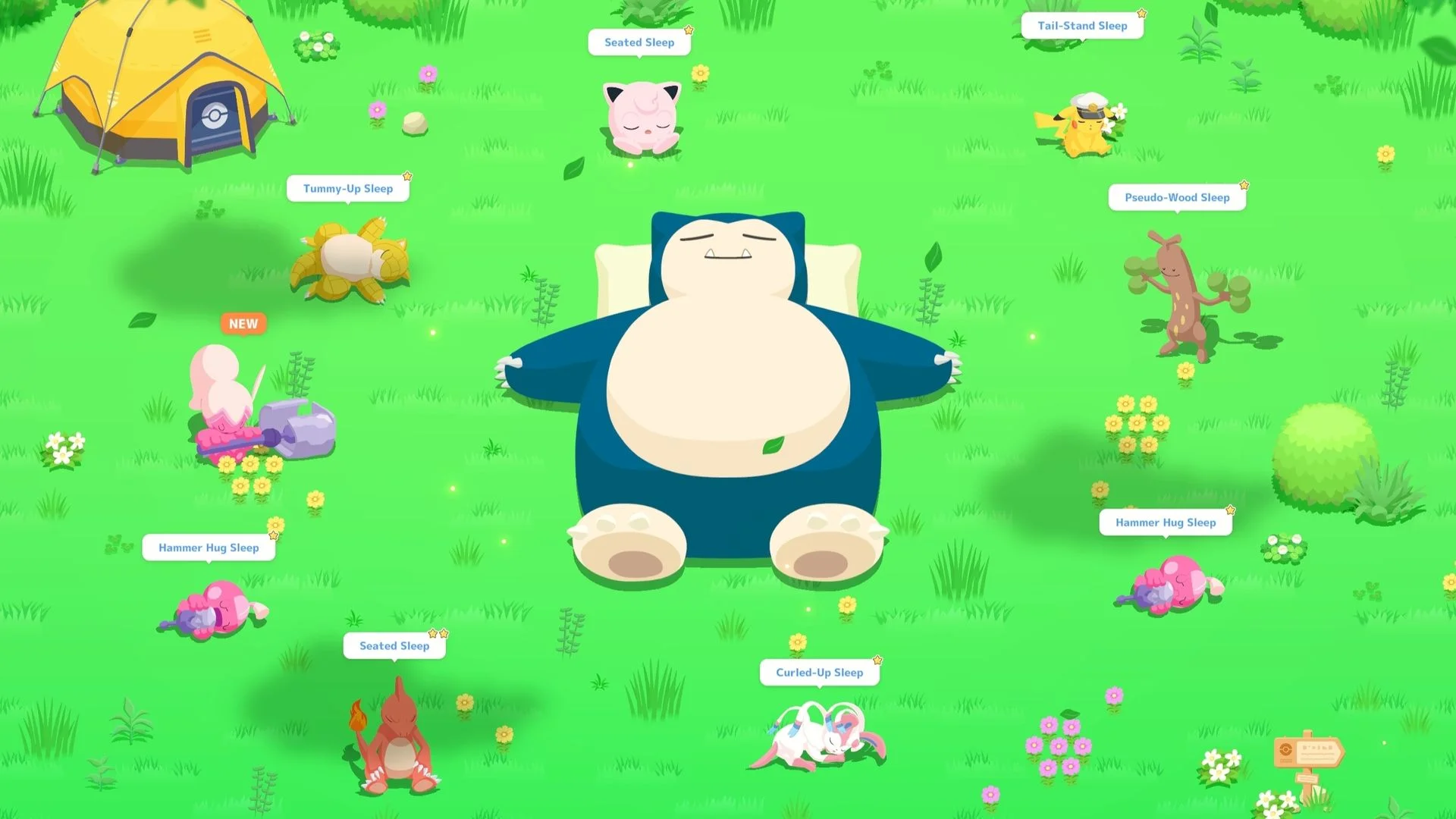
Initially, I dismissed Pokémon Sleep as somewhat trivial, particularly since I previously tracked my rest with other apps like Google Health. However, diving into the app revealed its unique charm for tracking sleep opportunities. With adorable elements like the Sleeping Snorlax and gamified mechanics, it transforms sleep logging from a mundane task into a playful adventure.
In this game, players unlock various Pokémon that gather around the sleeping Snorlax, adding a competitive layer to sleep achievement. Players earn points based on sleep duration, contributing to the Snorlax's Drowsy Power. This power attracts Pokémon, and what you catch can depend on sleep quality and cycles, making the process both rewarding and at times, challenging. It taps into our innate desire for achievement and competition, providing a fun incentive to improve sleep habits.
You even enhance this experience by feeding Pokémon biscuits to forge friendships, which adds depth to the gameplay. This aspect might be infuriating at times, especially when vying for rarer Pokémon with unique benefits. If you're working in this space, you'll appreciate how gamification can motivate users, but it might also frustrate those who prefer straightforward tracking.
The Role of the Fitbit Air
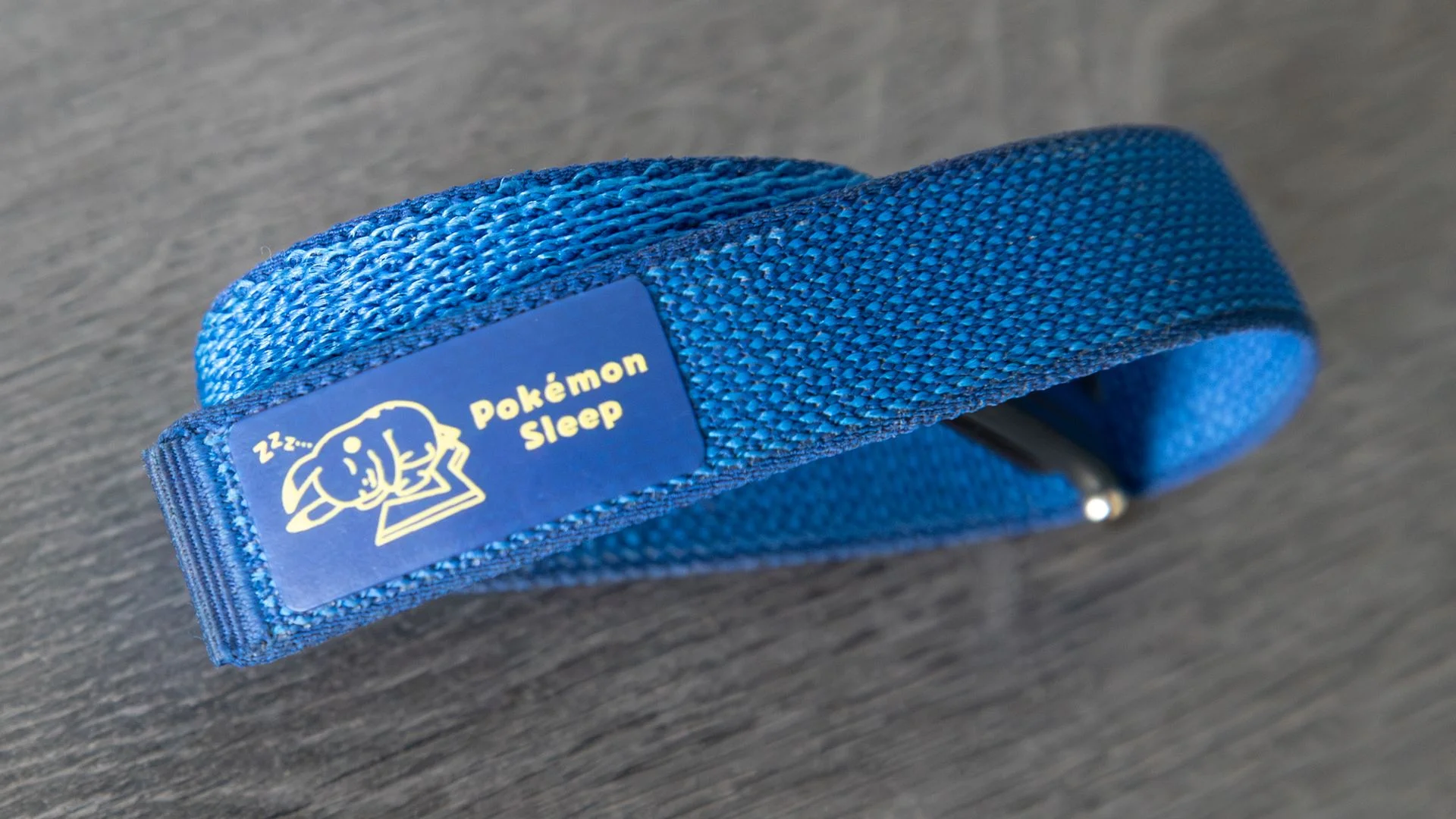
Pokémon Sleep offers multiple sleep-tracking options, including integration with the Google Health app. While traditional smartwatches can do the job, they've often felt cumbersome—bulky devices that tend to hinder a good night's sleep. By contrast, the lightweight Fitbit Air weighs in at about 12g, providing a barely-there experience while logging my sleep patterns effectively. This is particularly beneficial when considering the wearability factor for overnight use; less weight leads to a more natural sleeping posture.
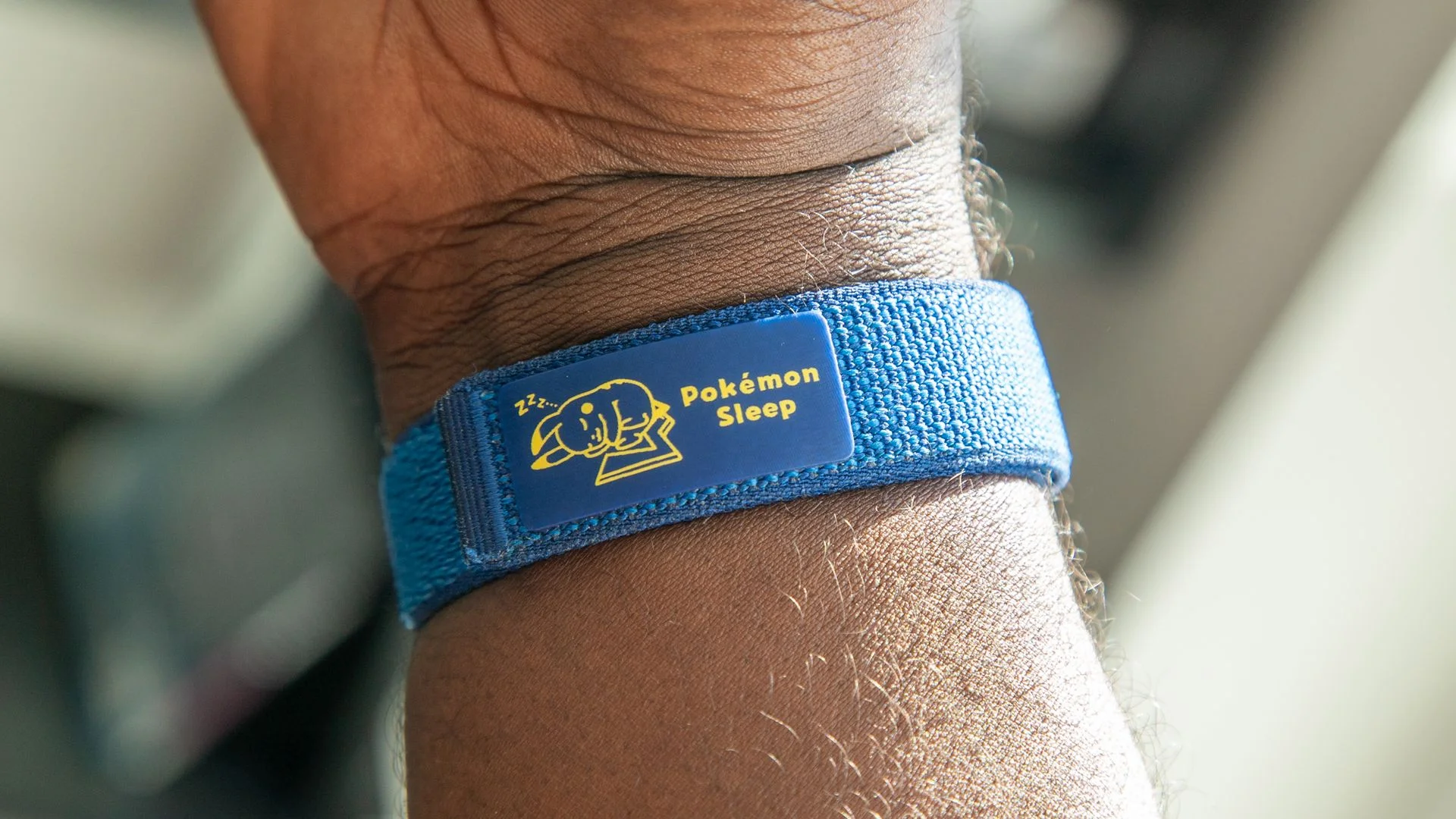
The Special Edition Pokémon Sleep band is particularly eye-catching, featuring a stylish deep blue finish complemented by a playful sleeping Pikachu. This thoughtful design elevates its appeal and aligns well with the vibrant character of the Pokémon brand. It's not just about function; aesthetics play a critical role in user adoption, especially in a market now saturated with countless health trackers.
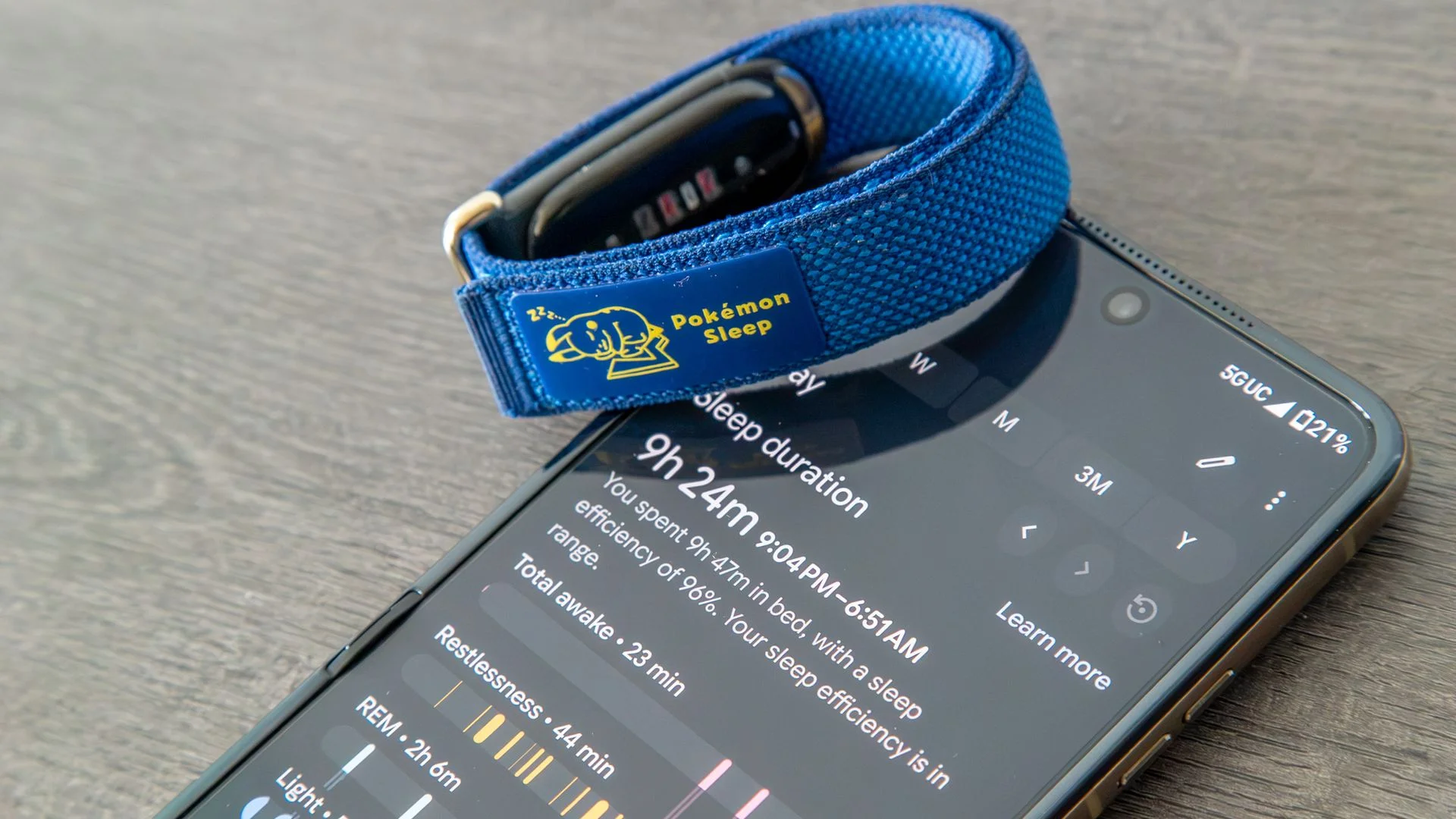
The device’s sleep tracking has turned out reliable, consistently correlating with data I gather from my Oura Ring and Garmin watch. Key metrics, such as sleep cycles and duration, often align. In fact, this tracker goes beyond sleep data, functioning as a solid overall fitness wearable. Fitbit Air potentially serves multiple market segments—from gamers and fitness enthusiasts to casual users simply looking for better rest.
The battery performance impresses too, lasting up to a week on a single charge, which alleviates the hassle of nightly recharges. This means you're more likely to wear it consistently and track data accurately. The less time spent charging, the more time you're monitoring your health, and that changes the game for wearables.
Optimizing the Fitbit Air for Pokémon Sleep
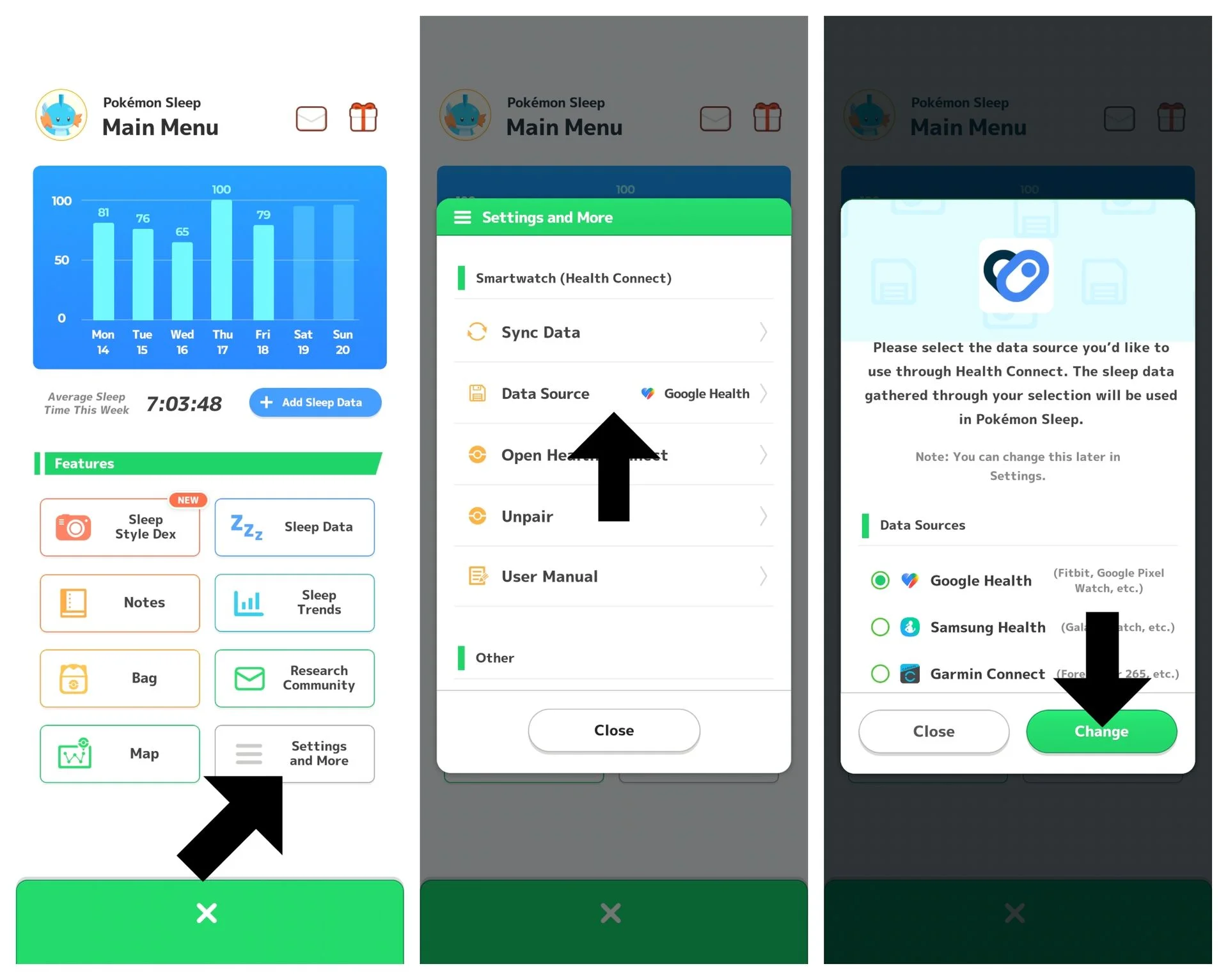
For newcomers to Pokémon Sleep, you'll need to follow some straightforward setup steps to sync your sleep data with Google Health. You can only select one source for tracking, which includes Google Health and others, depending on your preference. This limitation might seem restrictive, but it streamlines the user experience. Less complexity can often lead to greater user satisfaction.
For those who wish to switch from another tracking system, here’s how:
- Head to the main menu and tap on Settings and More.
- Under Smartwatch (Health Connect), select Data Source.
- Choose Google Health and confirm the change.
Note: If switching data sources, sync your past sleep data first to avoid unsynced records. If you're like most users, you’ve probably experienced the frustration of losing data during transitions—and here’s where good design can make a difference.
Once you’ve linked the Fitbit Air to Google Health, you’re all set to immerse yourself in Pokémon Sleep while also vamping up your sleep quality. It’s a smooth onboarding experience, which is a departure from many health tech products that often confuse first-time users.
After finally giving Pokémon Sleep a chance, I found it to be an engaging way to catch Pokémon while improving my sleep habits. With the Fitbit Air wearing the Special Edition band priced at $129, it creates a compelling combination for Pokémon fans and sleep enthusiasts alike. The interaction between device and app is more significant than it looks, hinting at future possibilities for health and gaming technology integration.
Implications and Future Outlook
The interplay between Pokémon Sleep and the Fitbit Air signifies a broader trend in health technology: gamification is on the rise. As apps evolve from mere trackers to engaging platforms, we can expect to see more developers adopting similar models. This could change how we perceive health data; rather than burdensome metrics, they become part of a narrative that motivates users.
Moreover, the success of such applications may prompt further collaborations between tech giants and entertainment franchises. If you thought gamified health apps are just a passing trend, think again. The fusion of fun and functionality isn’t likely to dwindle anytime soon. We're witnessing a paradigm shift in how health is approached. Fitness doesn’t have to be dull; with the right strategies, it can be an enjoyable, motivating factor in our daily lives.
This could carry implications for future developments. Imagine a world where sleep is gamified even more extensively. What new partnerships could emerge? How will user experiences evolve? As brands innovate to capture audience interest, the convergence of health data and entertainment will likely grow, expanding what's possible in personal wellness.