ASUS Googlebook: A Closer Look at Google's New Premium Laptop
Key Design Elements
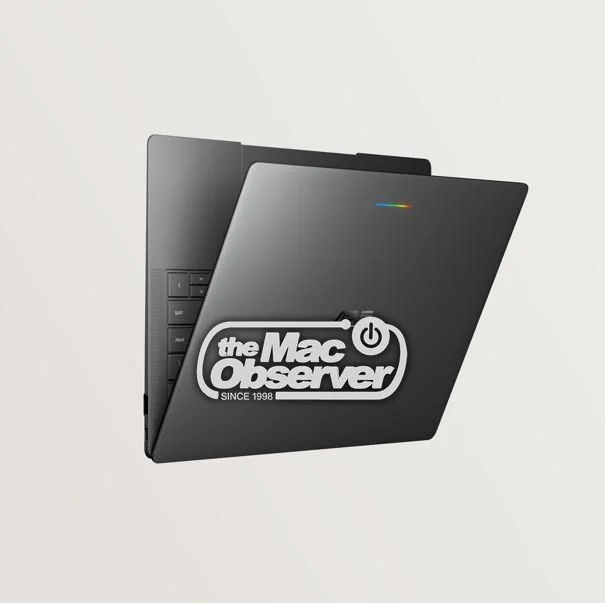
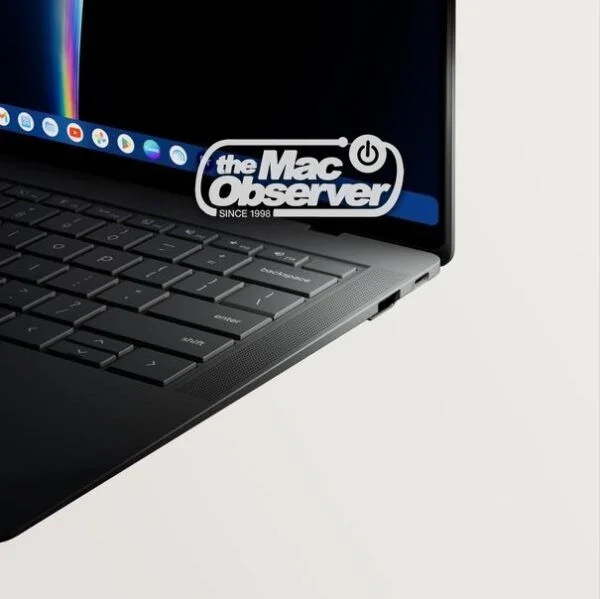
- Images of the ASUS Googlebook show a sleek dark gray finish, minimal bezels, and an oversized trackpad.
- A dedicated Google "G" key and a vibrant light bar on the lid enhance its distinct aesthetics.
- The laptop packs two USB-C, two USB-A ports, a headphone jack, and a fingerprint sensor for user convenience.
Google's upcoming Googlebooks aim to redefine premium laptop standards, with preorder availability starting September 21. A fresh batch of leaked images provides an insightful glimpse into ASUS's distinctive model, reinforcing a specific visual identity for this new line of Chromebooks. This is more significant than it looks; it suggests a move towards design elegance that might sway consumer preference in a crowded market.
The photos reveal a practical design, showcasing a dark gray chassis complemented by a spacious touchpad, sleek bezels, and a prominent Google-inspired key. There's a certain flair in the multicolor light bar glowing on the lid, which is often a design element that reflects brand identity and consumer tech trends. With ASUS branding elegantly placed beneath it and “Googlebook” marking the palm rest area, the laptop sets itself apart while also signaling its heritage.
What stands out is the thoughtful hardware setup. Users can expect multiple connectivity options with two USB-C ports and two USB-A ports, as well as a headphone jack to avoid the immediate need for additional dongles. This design choice, while seemingly basic, acknowledges the frustrations many users face with modern laptops lacking sufficient ports. The inclusion of a fingerprint sensor adds another layer of practicality, which may meet consumer demand for enhanced security and seamless login experiences. After all, convenience features can heavily influence a buyer's decision.
From the visuals, ASUS appears to incorporate active cooling within the design, featuring a visible fan and heat pipe. This suggests that this iteration of the Googlebook might handle more demanding tasks than typical Chromebooks, although specifics regarding the processor and other performance metrics remain undisclosed. If you're working in this space, understand that active cooling could indicate a more powerful machine, potentially catering to users who require more processing power for tasks beyond basic web browsing and document editing.

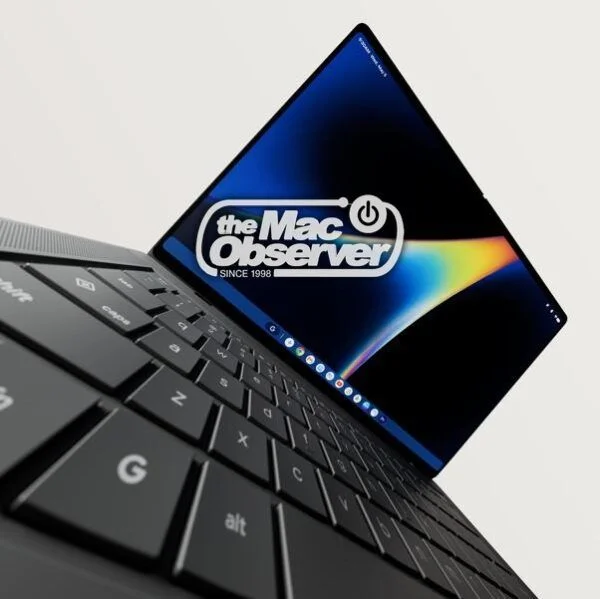
The Googlebook represents Google's latest effort to merge Android functionality with a desktop experience. This is evident with features like Gemini capabilities, Magic Pointer, and Quick Access, which reflect a unique approach to cross-platform integration. It's also an intriguing tactical move by Google, which seeks to position itself firmly in the laptop marketplace—a realm that Apple and Microsoft have long dominated with their capable operating systems and ecosystems. In this context, partnerships with notable manufacturers like ASUS, along with Acer, Dell, HP, and Lenovo, underscore Google's ambition to standardize its product offerings.
Essential details such as pricing, complete specifications, and precise shipping dates still have yet to be revealed, along with confirmation on the availability of this ASUS model on the preorder date. As we move toward an official launch, anticipation will only grow. The timing is strategic, given recent trends that favor premium laptops among consumers seeking quality and reliability. Expect clarity soon as we transition from speculative hardware to actual products in hand. This period of uncertainty is typical in tech launches, but it usually culminates in significant consumer interest. And who could blame them? The allure of new tech never fades.
Implications of the Launch
As companies like Google make strides in the premium laptop market, the implications can reshape consumer expectations. Increased competition might also drive innovation. If these Googlebooks succeed, it could lead to a re-evaluation of what's considered necessary in a laptop. Features like seamless integration with mobile apps and enhanced security measures might soon become standard, shifting industry standards once again.
There's another layer to consider: consumer behavior. With more individuals relying on their devices for both work and multimedia consumption, the benchmarks for performance and design are rising. The trend, as seen here, reflects a deeper understanding of user needs—a willingness to marry aesthetics with functionality. In a world awash with devices, those that balance both effectively will stand out.
This new entry from Google could also send ripples through existing manufacturers. If the Googlebook lives up to the hype, it won't just attract new customers but might also entice current users to rethink their existing brand loyalty. Remember: the stakes are high, and the chance for market disruption isn't just a possibility; it's a challenge others will have to face head-on.