Samsung's One UI 9 Update Faces Setback as Release Dates Shift
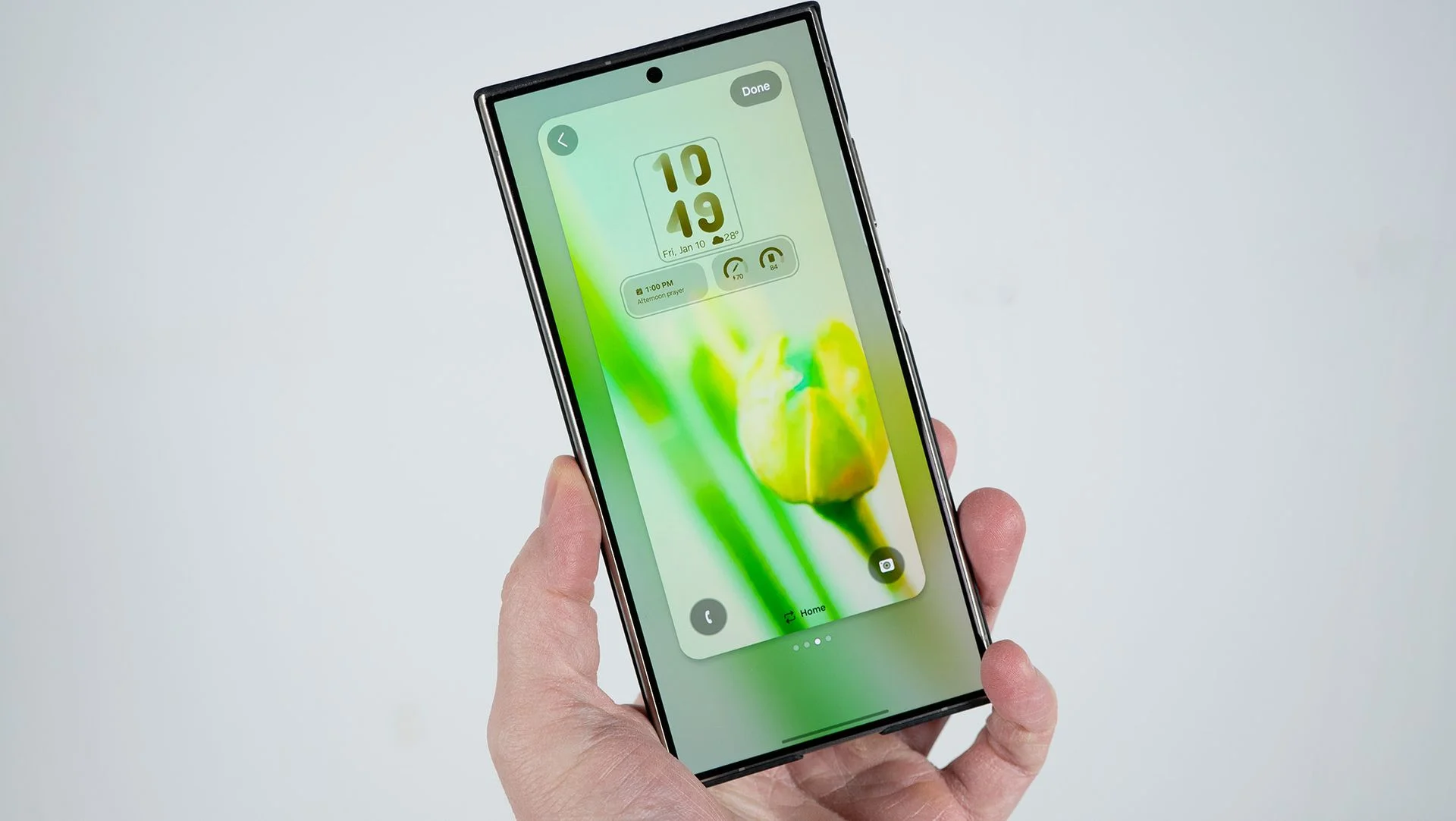
Samsung’s rollout of the One UI 9 update, based on Android 17, has hit a snag, with the anticipated global launch now shrouded in ambiguity. Initially, the update was set to be available on September 21, but the company has not only missed this date but has also adjusted its plans twice.
What’s particularly puzzling is the timeline transformation—from a potential September 28 release to a vague “September 2026” window. Social media reactions exploded with users expressing their disappointment on platforms after news broke on September 22. The initial announcement for One UI 9 came just a week before, on September 16, raising expectations for many.
Notably, reports from accounts like SammyGuru highlighted these shifting dates, emphasizing how Samsung's official blog in Thailand first proposed a September 28 date, only to retract it in favor of the more uncertain timeframe. Now, it suggests the update will reach devices such as the Galaxy S26 series and Galaxy Z7 series sometime this September, with additional updates expected for further devices later in the year.
The conundrum lies in whether Samsung will adhere to this latest timeline or push the release further into October, something that users are understandably anxious about. The logistical squeeze of the month running out further complicates matters, with just a few days left and the timeline becoming even more critical.
The Testing Background
To put the situation in context, One UI 9 has been undergoing testing since May, allowing users in various countries, including Germany, India, and the U.S., a preview of the upcoming features. This testing phase was an attempt to gather user feedback and refine the experience ahead of the global rollout, but the delays suggest that challenges may have arisen during this time. Prior iterations of One UI have had similar testing phases that didn’t spin out into public confusion, which raises questions about what might be different this time around.
With considerable communication around the update’s eventuality, Samsung’s recent silence on the exact kickoff for global users raises eyebrows. Following the initial rollout in South Korea, many expected favorable reception and a quick global spread, yet here we are in a state of waiting. If you're working in this space, you know that timely updates are vital for customer satisfaction; ongoing indecisiveness is prone to eroding user trust.
User Frustration
The sentiment permeating forums and social media platforms reflects widespread irritation—not just at the delay itself but at the unclear communication from Samsung. Many users recall the problematic release history of One UI 8.5, marked by similar delays. What once seemed like an organized launch schedule now feels erratic. There’s a real sense of fatigue among users who have been anticipating One UI 9’s features. This isn’t just about a software update; it’s about users investing their time and attention into a platform only to feel let down.
It’s challenging to predict when Samsung will finally deliver One UI 9 to its global audience. The potential for further postponements creates an uneasy atmosphere, and while users are holding out hope for upcoming clarity, many are understandably skeptical about whether these circumstances hint at another lengthy delay. Clear, transparent communication could alleviate some frustration, yet Samsung seems trapped in its own schedule that’s anything but clear.
The Bigger Picture
This situation doesn't just affect users who are eagerly awaiting One UI 9. It reflects a more extensive issue within tech companies managing software updates. In a landscape overwhelmed with competition, brands can’t afford to lose user trust. Delays can lead to questions about product integrity and reliability. Samsung has established itself as a leading player, and missing key deadlines in such a visible way sends ripples through its user base.
The expectation was that One UI 9 would introduce enhancements, including better performance, new features, and a more streamlined user experience. Users are keen to see how these updates will impact their devices. They’re not just waiting on new aesthetics; they want improvements that can change how they interact with their smartphones daily. So the stakes are high.
What this means for you as a user is clear: the waiting game has turned significant. If these delays continue, it's worth considering how much patience one can have before exploring alternatives. Samsung has work to do—not just on software but in rebuilding faith with its customer base. And this is the part most people overlook.
Future Outlook
With the current timeline in flux and user frustration mounting, Samsung’s next steps are critical. It's plausible that further announcements will emerge as the end of the month approaches, but only time will tell if they will regain control over their update process. Given the competitive nature of the smartphone market, this situation might trigger a reevaluation of Samsung's update rollout strategies, with implications not just for One UI 9 but also for future versions.
If the company doesn’t address these release hiccups effectively, it could find its loyal fanbase exploring other options—especially as rival brands ramp up their own software capabilities. Samsung might be able to overcome this current setback, but sustaining user engagement long-term will require more than just quick fixes. It's about rebuilding trust.