Android 17 QPR2 Beta 6 Update Addresses Critical Reboot and Kernel Issues
Google is pushing forward with the Android 17 QPR2 Beta 6 for Pixel testers, focusing on resolving key issues related to unexpected crashes and device reboots. This rollout particularly aims to address significant problems that have surfaced with the Pixel 9 Pro Fold, where users experienced sudden restarts triggered by third-party apps while accessing the camera's viewfinder.
The latest update follows shortly after QPR2 Beta 5, which debuted nearly ten days prior, marking Google's stride towards achieving Platform Stability. Users of eligible devices, from Pixel 6a to Pixel 10 series—including the 10a—will find that all devices are now aligned on build number vCP41.260831.007.
Resolving Critical Issues
Among the notable fixes in this beta are those aimed at eliminating a persistent reboot issue that users have flagged on the Issue Tracker. The problematic reboots occur when initializing the camera viewfinder in third-party applications, a situation that has plagued many testers. Google’s intervention seeks to restore seamless functionality.
Some might wonder why these reboots are such a big deal. In a time when mobile photography has become a crucial feature for many—especially with the rise of social media—any glitches in camera functionality can become significant pain points for users. This particular issue underscores how intertwined smartphone applications are with users’ daily routines. Addressing it not only enhances user satisfaction but also signals Google’s commitment to maintaining competitive edge in the smartphone market.
Additionally, QPR2 Beta 6 addresses a serious "system kernel crash" impacting devices when a third-party app was simultaneously requesting access to the camera and microphone during biometric verification. Such crashes can impair the user experience, particularly when privacy-focused apps are in the mix. Users have become accustomed to strict privacy measures, and any hiccup in these could turn potential buyers away from a brand.
Additional Fixes and User Reports
The update includes corrections for various visual regressions, such as letterboxed content leaking through the status bar during activity transitions, blank screens on the screensaver while charging, and gestures failing to dismiss locked applications in recent apps. Another common complaint involved device instability characterized by crashes or reboots during scrolling.
These visual and functional errors reflect a broader trend in software updates: users expect perfection. When small bugs escape the test phase, they don't just impact individual users; they can tarnish a brand's reputation. Google is clearly aware of this, as these fixes show a proactive approach to addressing feedback. But will it be enough? That's the question on many users' minds.
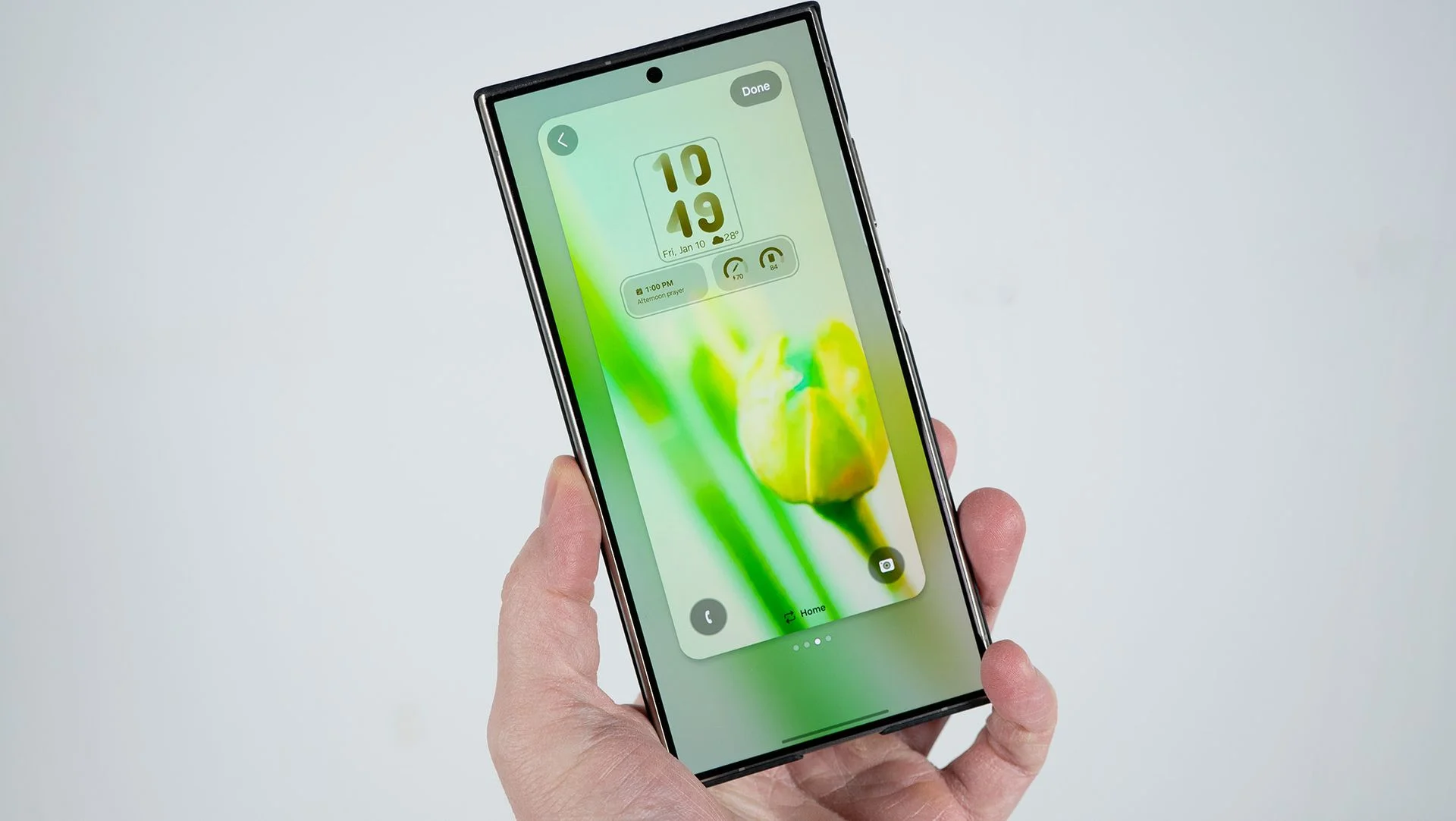
Interestingly, a change has also caused a stir among users—Google has temporarily removed the blurred notifications on the lock screen to address other ongoing bugs, as discussed by users on Reddit. This shows how immediate user feedback can influence development priorities. (And this is the part most people overlook.) In recent years, tech companies have begun to recognize the importance of community input, making such responsive tweaks a vital part of their update cycles.
Reports from various Pixel devices have also mentioned an upgrade to Kernel 6.12, with many users noting improved responsiveness and overall smoother performance. The importance of a stable kernel cannot be overstated, as it serves as the backbone of any operating system. Enhancements here can lead not only to better performance but also longer device lifespans. Users expect that if they invest in a phone, it should continue to perform well over time, not just at the time of purchase.
The Implications of These Updates
With QPR2 Beta 5 only just behind us and additional Bluetooth fixes rolled out last week, Google's focus is clearly on refining Android 17 as they near a stable final release. These latest adjustments reflect a commitment to enhancing user experience and device performance across the board.
What this means for you: If you're working in this space, be prepared for increased scrutiny on software stability. Users are not just tech enthusiasts; they’re individuals who rely on their devices for personal and professional tasks. When updates promise fixes but deliver inconsistencies, the backlash can be severe. Expectations are extraordinarily high, and maintaining a loyal user base hinges on meeting those demands.
The numbers here are underwhelming, but the consistency in rolling out updates suggests Google is setting a precedent. As device manufacturers strive to differentiate themselves, their ability to adapt quickly to user concerns could be the deciding factor in their market positions. Keeping users happy is paramount—not just to retain existing customers but also to attract new ones. Google's strategic approach to these updates shows they are not just reacting to problems; they're actively trying to enhance their user experience before it becomes too problematic. It remains to be seen if their efforts will pay off in user loyalty and positive reviews as Android 17 approaches its official launch.