OnePlus N6 Unboxing Leak Highlights Inclusions and Specs Ahead of Launch
OnePlus seems ready to reverse a trend seen in many smartphone launches by including practical accessories with the upcoming N6. Recent leaks have shed light on the contents of the retail box ahead of the phone's official unveiling, suggesting a particularly generous offering that could set it apart from competitors. It's a strategy that, while straightforward, may resonate significantly with consumers frustrated by prior exclusions.
Retail Box Contents: A New Approach
Shared by tipster Abhishek Yadav on X, the leaked unboxing images reveal that the OnePlus N6 will come packaged with a 45W SuperVOOC power adapter, a USB-C charging cable, a clear silicone case, documentation, and a SIM ejector tool. This move comes at a time when numerous mobile manufacturers have opted to eliminate charging bricks, leaving users to either rely on older chargers or purchase new ones separately. It reflects a noticeable shift in strategy, as many brands seem to prioritize cost-cutting over consumer satisfaction.
The included charger will complement the OnePlus N6’s substantial 8,000mAh battery, providing a speedy 45W charging capability that ensures purchasers can get started without the hassle of hunting down an adapter. This attention to detail reflects a clear understanding of consumer needs and desires. Customers expect not just the device itself but also the essentials that make the experience immediate and hassle-free. While some consumers may shrug off these inclusions as standard fare, many will appreciate that OnePlus is taking the initiative where others have faltered.
This approach mirrors a broader trend where consumers have expressed dissatisfaction with having to buy basic accessories separately. With smartphones often priced steeply, expecting users to shell out even more for peripherals can feel exploitative. OnePlus’s decision could resonate well with buyers, potentially boosting its standing in a market crowded with alternatives.
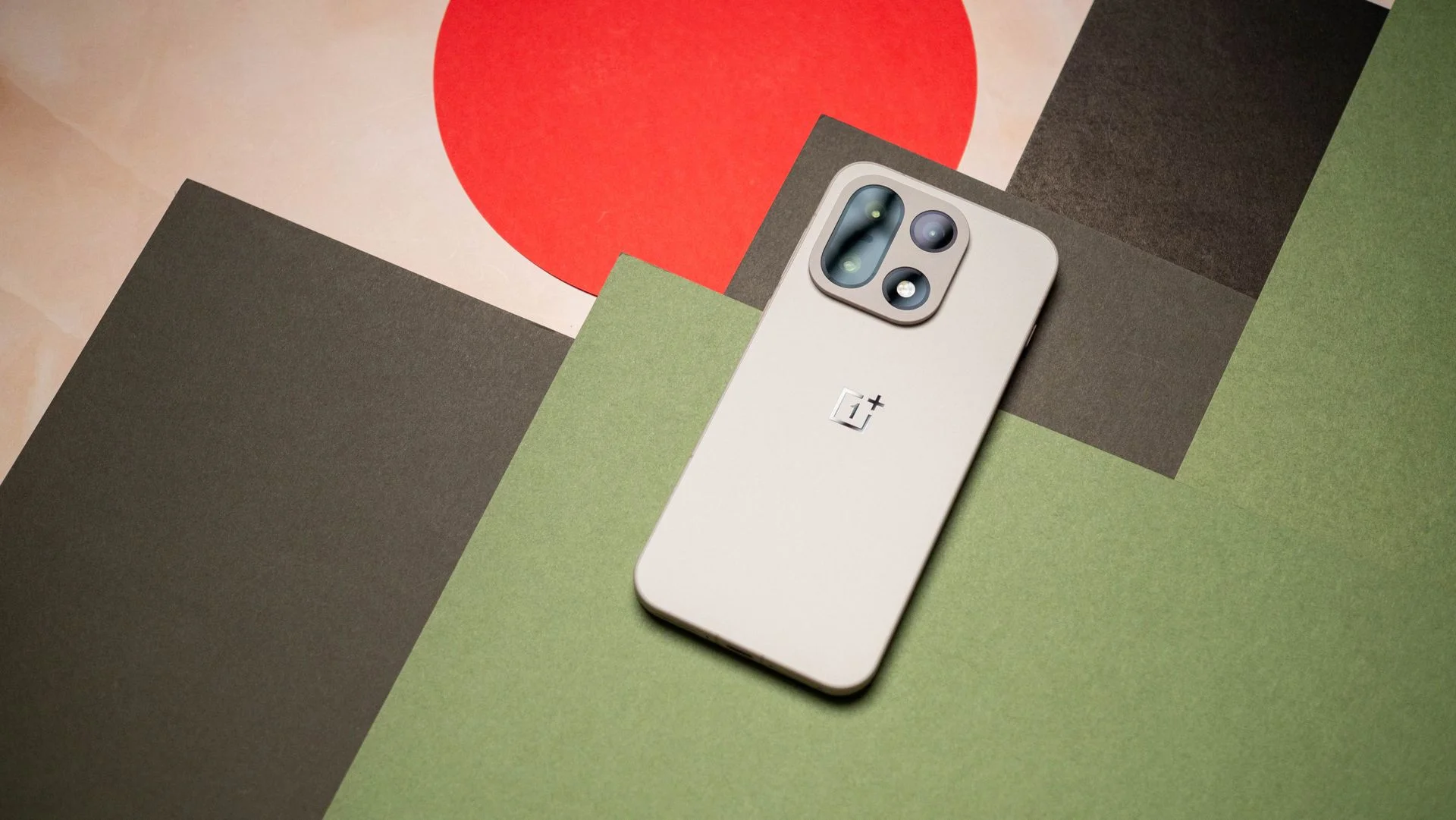
The unboxing leak also confirms the device's aesthetically pleasing mint colorway, which has been teased by OnePlus previously, alongside expectations of a sleek black model at launch. The design itself aligns with prior promotional material, ensuring no significant surprises in terms of appearance. This consistency can reinforce brand trust — a critical factor when potential buyers are weighing their options.
Understanding the Camera Setup
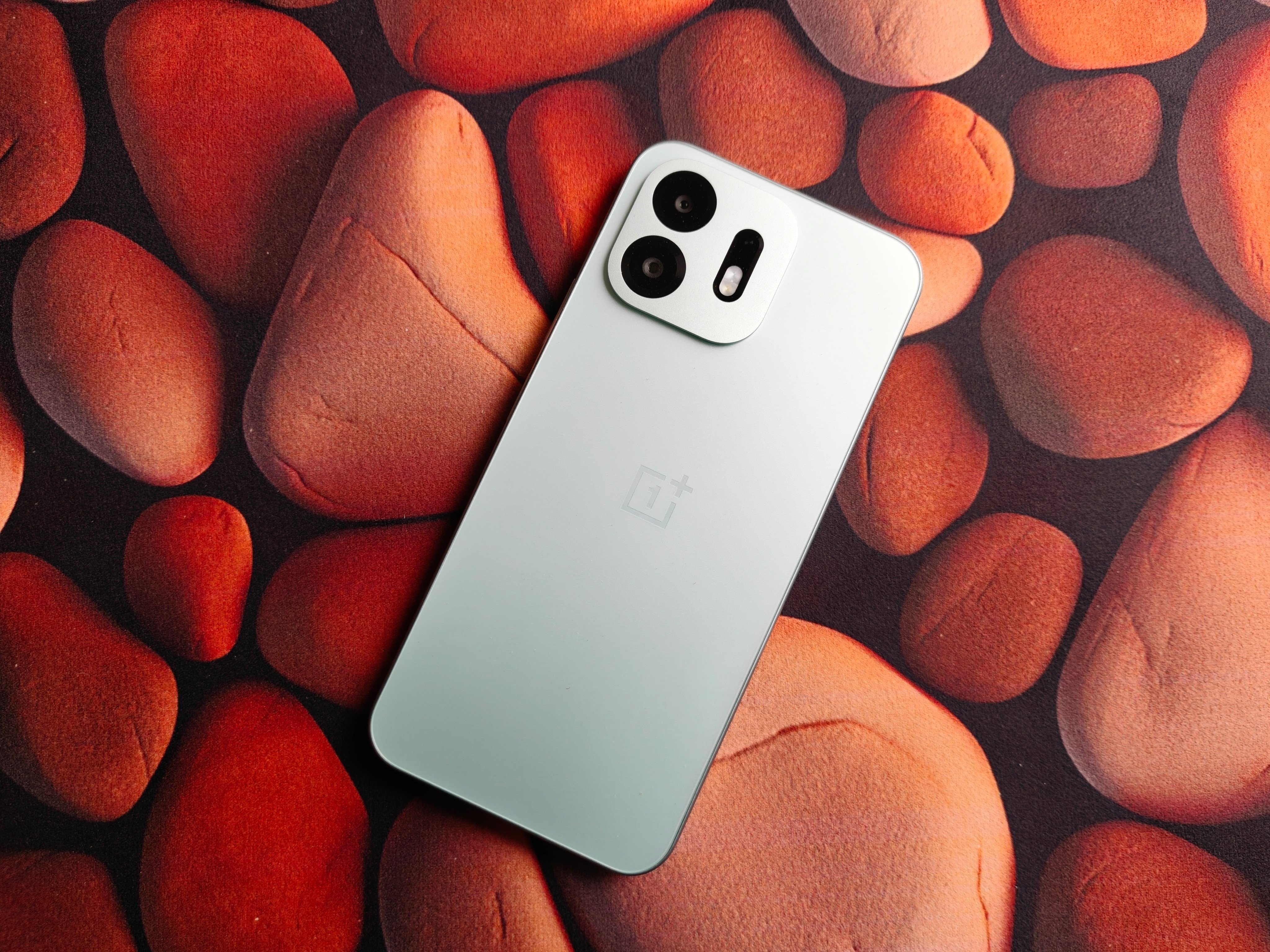
While the rear camera module features three distinct cutouts, it’s essential to clarify that they don’t necessarily imply a triple-camera system. Confirmations from OnePlus suggest a primary 50MP rear camera and an 8MP front-facing counterpart, leaving the other openings possibly dedicated to decorative details or secondary sensors rather than additional cameras. For consumers looking for versatility in photography, this distinction is important, as manufacturers frequently mislead with hardware appearances that match high-end models.
From earlier leaks and official statements, we can expect the OnePlus N6 to have a resolution of 1,570 x 720 on its display, powered by a MediaTek Dimensity 6100 Plus (MT6835) processor, coupled with 6GB of RAM, and launching with Android 16. While not definitively confirmed by OnePlus, these specs align with the positioning of the device as an accessible entry-level option. Such specs indicate that OnePlus aims for a budget-friendly strategy without overextending features. This could appeal to younger consumers and first-time smartphone buyers who value functionality without overspending.
Pricing is anticipated to hover around Rs 20,000 (approximately $212), accommodating the budget-friendly market segment. However, pricing remains a key factor; if consumers perceive the device as underwhelming for the cost, OnePlus might miss the mark. While OnePlus has confirmed a launch event in India on June 30, details regarding availability in other regions, particularly the U.S., remain unannounced. The geographical distribution of a smartphone significantly influences its success. Without strategic marketing and availability in key markets, even strong specs may fail to translate into robust sales.
Industry Insights
It's refreshing to see OnePlus challenging the current trend where essential accessories are often excluded from retail packaging. Providing a charger and a basic case isn’t an extravagant request; they are necessities that consumers appreciate on the initial purchase day. If these leaked contents hold true, the OnePlus N6 could not only save buyers some cash but also eliminate a trip to the accessory aisle, a stark contrast to the practices of some brands selling high-priced devices without basic inclusions. And this is the part most people overlook: giving consumers what they need right out of the box can cultivate long-term loyalty.
Moreover, OnePlus’s return to this traditional packaging could signal a shift back to consumer-friendly practices in an industry that’s seen a rise in profit-driven decisions. If more companies follow suit, we could witness a change in consumer expectations. This shift could revolutionize how brands interact with buyers at the fundamental level, emphasizing value and customer-centric platforms instead of sleeker margins. That said, it remains to be seen whether OnePlus can maintain this approach on future products.
Future Implications
What this means for you, depending on your interest in tech, is a potential paradigm shift in how smartphones are marketed and sold. If OnePlus succeeds with the N6, other brands may feel pressured to rethink their accessories strategy. This could lead to a more consumer-friendly environment where buyers feel they’re being treated with respect rather than as wallets to be emptied. There's an opportunity for OnePlus to position itself as a leader in this space, particularly with budget-conscious consumers who might be feeling overlooked.
The implications extend beyond mere packaging decisions. If OnePlus’s strategy resonates with consumers, it will likely shape the way future smartphones are equipped. Offering what users need right from the start could become a selling point, encouraging others to follow suit—or risk falling behind. It's a bold move that carries both promise and risk.