Samsung Galaxy Glasses Set to Launch This November with Multiple Designs
Samsung's Upcoming Galaxy Glasses
Samsung is preparing for the launch of its Galaxy Glasses, which are set to enter the market in November. These smart glasses, powered by Android XR, aim to provide an extension of the Galaxy smartphone experience rather than functioning as standalone devices. This strategic move could reveal a significant shift in how we think about smart eyewear, particularly in its alignment with Samsung's existing ecosystem. It’s a play that could either bolster their product lineup or cause confusion among consumers who may not fully grasp the concept of a complementary device.
Recent Launch Event Insights
At a recent launch event in London, Samsung disclosed critical information about the Galaxy Glasses, including their deep integration with Galaxy devices. This is noteworthy, considering the increasing competition in the smart glasses market. The glasses will feature exclusive attributes such as watch gesture controls and instant syncing capabilities with Galaxy smartphones. Such features not only demonstrate technology integration but also aim to provide a cohesive user experience. That's like adding an extra layer to the smartphone experience that many users might not even know they want. Samsung's direction sets it apart from competitors like Meta, whose focus has been primarily on standalone functionalities, perhaps limiting interaction with other devices.
Anticipation and Comparisons
According to a report by The Korea Herald, excitement surrounding the upcoming release is palpable, with only a few weeks left before the official debut. A good number of tech enthusiasts are eager to see how Samsung will differentiate its product in a field dominated by Meta's offerings. Comparatively, Meta's Ray-Ban smart glasses have generally been marketed towards a more general audience focused on social media engagement and photo capturing. Samsung's pitch seems tailored towards a more device-centric consumer, looking for utility matched with style.
Technical Features That Stand Out
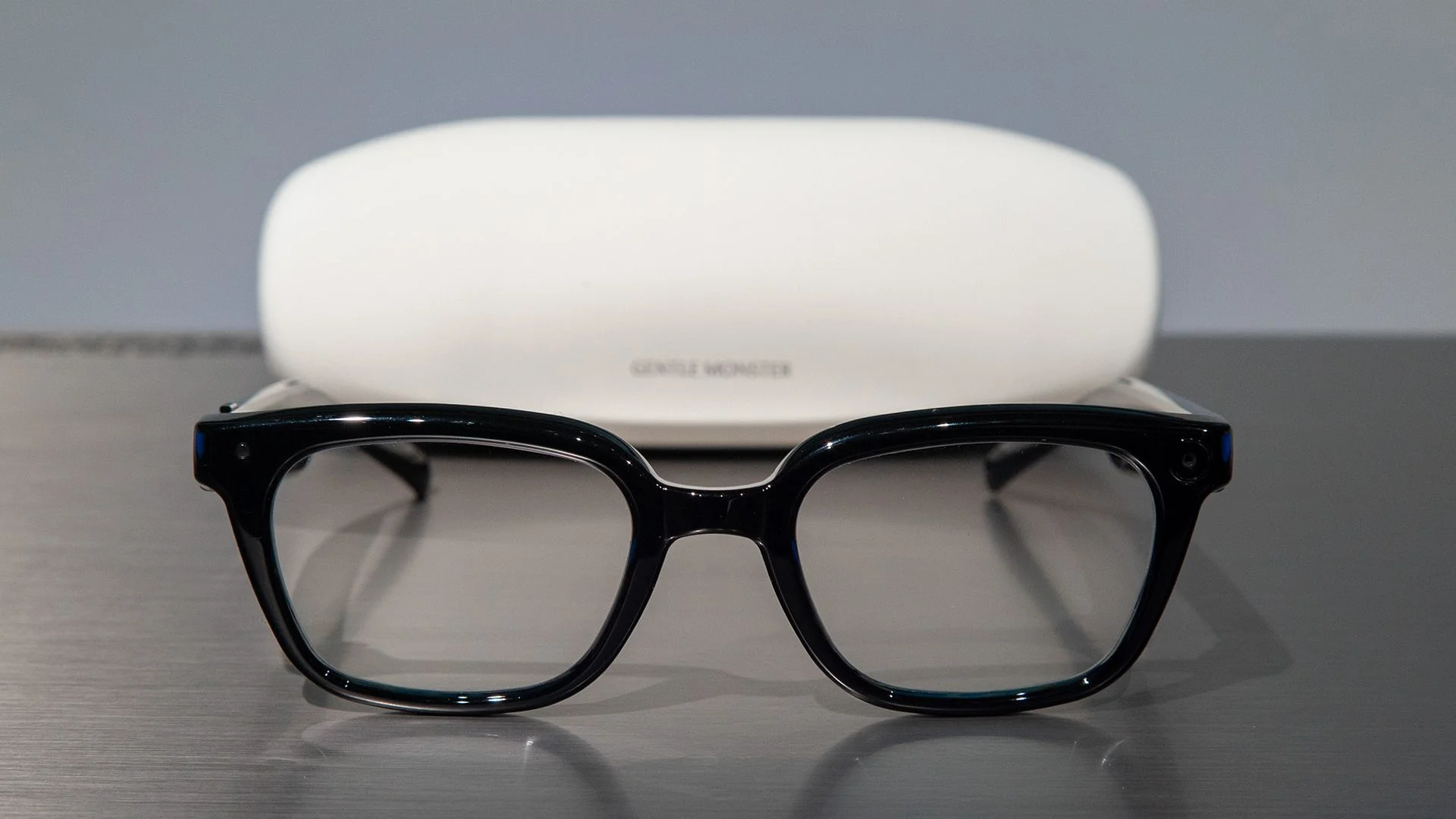
Details regarding the technical features of the Galaxy Glasses indicate a direct competition with Meta's offerings. Prospective functionalities include built-in cameras, speakers for audio output, and microphones for voice commands. This array of features aims to cater to various user needs, from photography to hands-free operation. Users may also gain access to Gemini, enabling hands-free interactions with Google’s AI assistant. Such integration could elevate the user experience significantly, positioning the Galaxy Glasses as not just a tech accessory but as an essential part of communication and entertainment. But this is the part most people overlook: the overall success hinges on how well these features work in real-world conditions—not just in promotional materials.
Collaborative Styles and Pricing Strategy
Samsung's collaboration with Gentle Monster and Warby Parker promises a range of styles, allowing consumers to choose according to their aesthetic preferences. This strategy brings an element of fashion into the tech space—a fusion that appeals to an increasingly style-conscious consumer base. While the specific pricing remains undisclosed, previous reports suggest that Samsung targets a "reasonable premium" price point. Given that Meta’s smart glasses start at around $300, you can anticipate Samsung aiming higher. However, the challenge lies in convincing consumers that the additional price correlates with newfound value—something that isn’t easily quantifiable.
Unanswered Questions and Market Implications
As the launch date draws closer, a multitude of questions continue to loom regarding the specific features and performance of the Galaxy Glasses. Clarity and excitement surrounding this product will undoubtedly add an interesting dynamic to the smart eyewear market. Yet, one cannot help but wonder if Samsung's delays in revealing more detailed capabilities might hinder initial sales. It's a risky gamble in a market where consumer expectations are sky-high. If you're working in this space, consider how the marketing narrative plays out in relation to actual functionality; consumers are becoming increasingly skeptical about claims made by tech companies.
Future Outlook: What’s Next for Smart Glasses?
The imminent release of Samsung's Galaxy Glasses brings not only excitement but also critical implications for the future of smart eyewear. As brands continue vying for dominance in this category, consumer preferences will likely dictate the course of development. Will the integration with smartphones succeed in creating a loyal user base, or will it fall flat against more robust standalone options? The entry of Samsung into the smart glasses market may very well compel other players to rethink their strategies, leading to innovations designed to enhance user experience. There’s a palpable tension between form and function that will be interesting to watch. As technology advances, so too will consumer expectations. If this product flops, it won’t just be Samsung that suffers; it could complicate the future of smart eyewear across the board.