Googlebooks Debut with Limited Android App Support Based on Processor Types
Key Insights on Googlebooks
- Not all Googlebooks will support the full range of Android apps.
- Google warns that devices with Intel processors (like those from Acer, ASUS, and Lenovo) may face compatibility issues with certain Play Store apps, while Qualcomm-powered models (HP and Dell) are more reliable.
- Pre-orders for the Googlebook began on September 21, with the official launch occurring on October 4 in the U.S. and October 5 in other countries.
The Googlebook has hit the market, but a critical detail has emerged: not every model will be able to run all Android applications. On October 5, Google addressed concerns regarding app support for Googlebooks, revealing some disparities in performance based on the processor type. The implications of this reveal extend beyond mere compatibility; they touch on user experience and the overall value proposition of the product itself.
Google highlighted that Googlebooks equipped with Intel processors may struggle with specific Android applications available on the Play Store. The company noted that most applications are designed with ARM-based processors in mind, thus presenting potential hurdles for Intel users. "A small handful of complex apps or games need some developer tuning to run their best on Intel-based platforms," Google explained in a conversation with Android Authority. This raises significant questions about whether consumers will be left with a device that doesn’t fully deliver on its promises, especially given the transition many users are making to cloud-based application ecosystems.
While Google continues to collaborate with developers and hardware makers to address this issue, they reassured consumers that “the vast majority of Android apps run smoothly,” regardless of whether users choose an Intel or Qualcomm variant. Yet, this blanket statement obscures underlying concerns. Users might find themselves eager to install applications only to discover they lag on Intel systems or, worse, won’t run at all. It could lead to an experience that is frustrating for anyone who relies on specific applications for productivity or entertainment.
Acer, ASUS, and Lenovo's Googlebooks utilize the Intel Core Ultra 5 chipset, while HP and Dell offer models powered by Qualcomm's Snapdragon X Elite, which generally seems to provide a more stable app experience. However, given the spectrum of applications available, will users truly experience a notable difference? That distinction might significantly influence where tech enthusiasts choose to invest their money, particularly if they plan to run resource-heavy apps.
Googlebooks Launch and Features
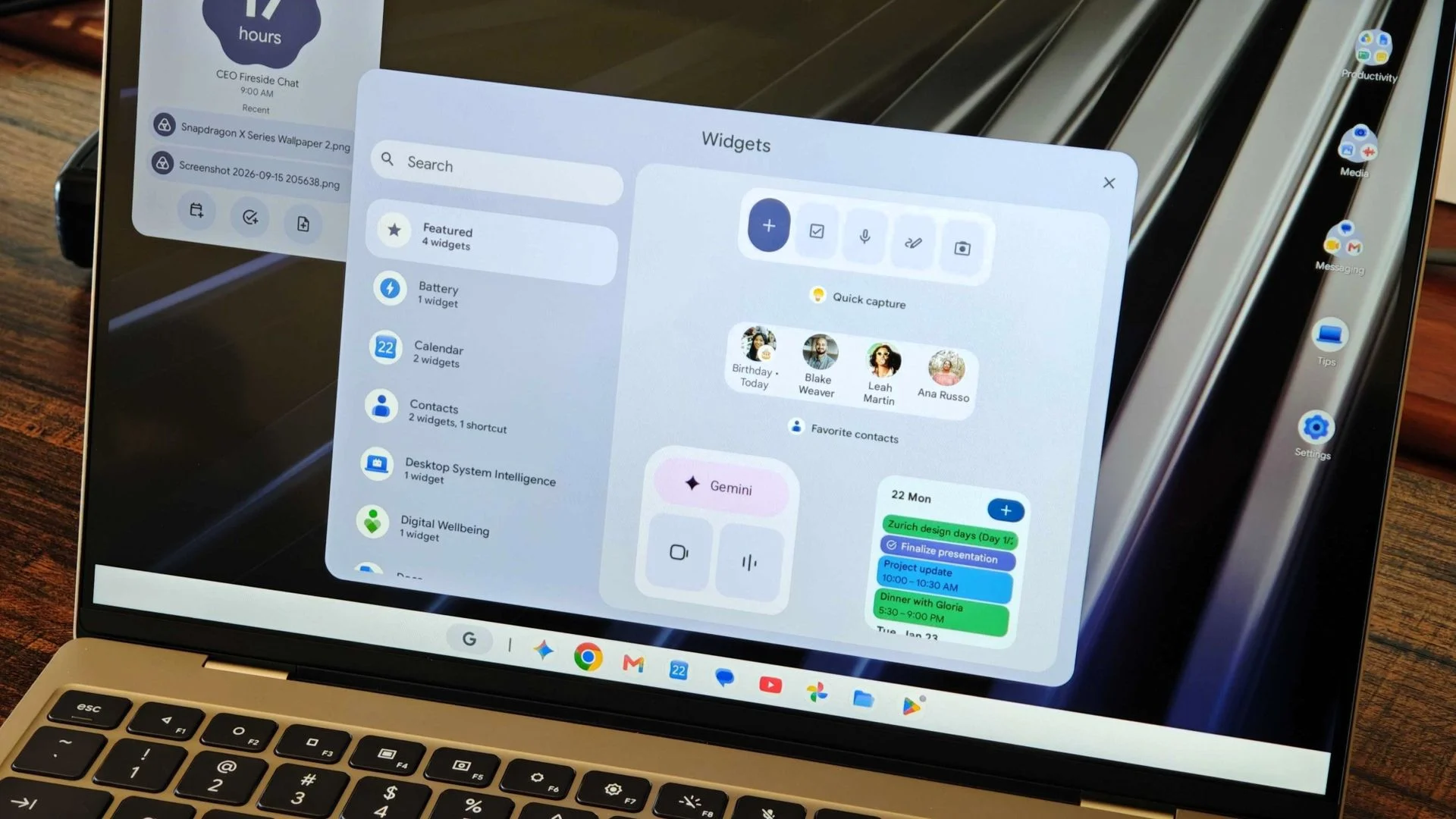
Looking at several analyses of the Googlebook launch, it seems like this caveat about app support should have been communicated upfront. Purchasing a Googlebook and later discovering certain apps won’t work must feel frustrating. While it’s promising that Google is aware and collaborating with the right parties to mitigate these issues, it feels unfortunate that this key information only surfaced after launch.
Official pre-orders for the Googlebook kicked off on September 21, marking a significant moment following Google's laptop reveal at The Android Show. The first model lineup begins at $899 and boasts various features such as touchscreens, haptic glass trackpads, backlit keyboards, and enhanced pairing with Android phones. Yet, with the excitement around sleek hardware, it’s essential to consider whether these features justify the start price or if they simply mask potential shortcomings.
A noteworthy highlight is the Magic Pointer, integrating Gemini technology directly with the cursor for AI assistance on demand. While this sounds impressive on paper, how effective will the Magic Pointer be in day-to-day use? More importantly, does it genuinely add value over similar features in other operating systems? If you’re working in this space, this aspect may deserve special attention as the market develops.
For those not ready to invest in a Googlebook, Google is also introducing Magic Pointer in Chrome for Windows and Mac. This strategy seems like a way to capture a broad user base, but will it lead consumers to the more expensive hardware, or will it dilute the value of the Googlebook itself? That’s a question worth exploring.
Consumers can find the Googlebook available through the Google Store, Best Buy, and other retail partners, complete with various bundled offers including free trials and extras. However, the retail strategy may not be as straightforward as it appears. Bundles can be enticing, but consumers should look closely at what’s included to ensure they aren’t paying for unwanted extras.
Future Implications and Market Significance
The situation surrounding Googlebooks is a microcosm of larger shifts occurring in the tech industry. As companies integrate various forms of technology into cohesive systems, the compatibility between hardware and software often becomes a sticking point. This is more significant than it looks. If Google doesn’t address the Intel compatibility issue swiftly and effectively, consumers might shift towards devices that guarantee broader compatibility.
As users become increasingly dependent on their devices for both work and leisure, the importance of ensuring that all functionalities operate as promised cannot be overstated. What this means for you is that the success of the Googlebook may hinge on how well Google can engage both consumers and developers in solving these problems quickly. The technology landscape won’t wait for Google to catch up if problems linger.
In looking ahead, the importance of communication and transparency is paramount for tech giants. Given the variety of devices and processors available, maintaining a strong line of communication about capabilities and limitations will be essential for user trust. Trust—once lost—is difficult to regain. (And this is the part most people overlook.) A brand’s willingness to confront shortcomings head-on will ultimately shape consumer relationships long-term.
The anticipated market reception for Googlebooks will likely provide important insights not only for Google but for competitors as well. It’s clear that the dynamics around app support and hardware compatibility will continue to evolve. The response from consumers will be a key indicator of whether Google can carve out a significant share in the crowded laptop market.