Samsung's October 2026 Patch Enhances Galaxy S26 Security with Significant Fixes
Key Updates
- Galaxy S26 users in the U.S. are receiving Samsung's October 2026 security patch.
- This patch, approximately 530MB in size, provides over 60 security enhancements.
- The rollout follows the recent introduction of One UI 9 (Android 17) for S26 devices.
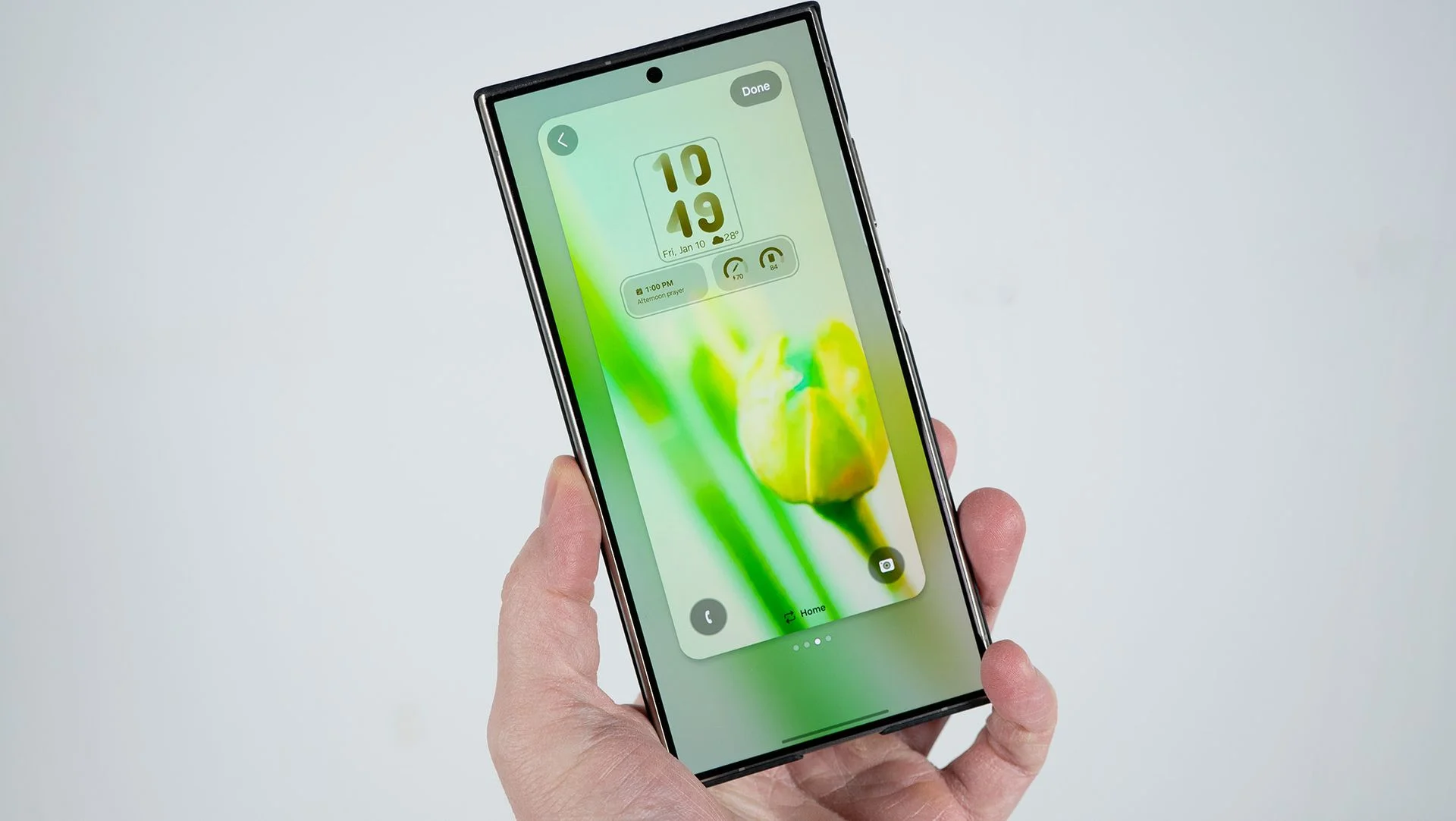
Samsung is actively updating its flagship Galaxy S26 series with the latest security improvements. The October 2026 patch is reportedly making its way to users globally, raising the bar for security standards in the smartphone industry. It's worth mentioning that security patches are becoming increasingly essential as the threats to mobile devices evolve, not just for consumers but also for corporations. Users of the Galaxy S25 series can expect similar updates to follow soon, which amplifies Samsung's commitment to keeping its devices secure and up to date.
According to tipster Kailash on X, the update has begun reaching devices in the U.S. and Canada, with a sizable download of 531MB. Users will notice the following version numbers on their respective models: S948U1UES4BZIG for the Galaxy S26, S948U1OYM4BZIG for the S26 Plus, and S948U1UES4BZIG for the S26 Ultra. This detailed versioning is crucial for troubleshooting, as it allows users to easily identify their specific model's update status.
The details surrounding the patch are sparse, with Samsung typically revealing the specific security improvements only after installation. This is a common practice in the tech industry, creating an air of mystery around software updates. Notably, this October patch includes about 50 fixes sourced from Google combined with 13 additional corrections from Samsung. The total of 62 improvements aims to counteract potential vulnerabilities, highlighting the importance of ongoing security enhancements in an era where cybersecurity threats continue to multiply.
Among the significant issues this update addresses are security flaws in Android versions 14 to 17. The focus is on preventing unauthorized code execution and unauthorized access to system privileges. These kinds of vulnerabilities can have severe ramifications, from data theft to malicious software infiltration, which is why timely updates like this are essential for device integrity and user confidence.
In response to user inquiries on X, Kailash hinted that the October patch for the Galaxy S25 series could be rolled out "next week." This suggests that Samsung’s strategy is to ensure that a wave of devices receives critical security updates in a coordinated manner. That can help mitigate risks and provide users with peace of mind. However, the exact timing remains uncertain, which can frustrate users eagerly anticipating the improvements.
Looking Ahead
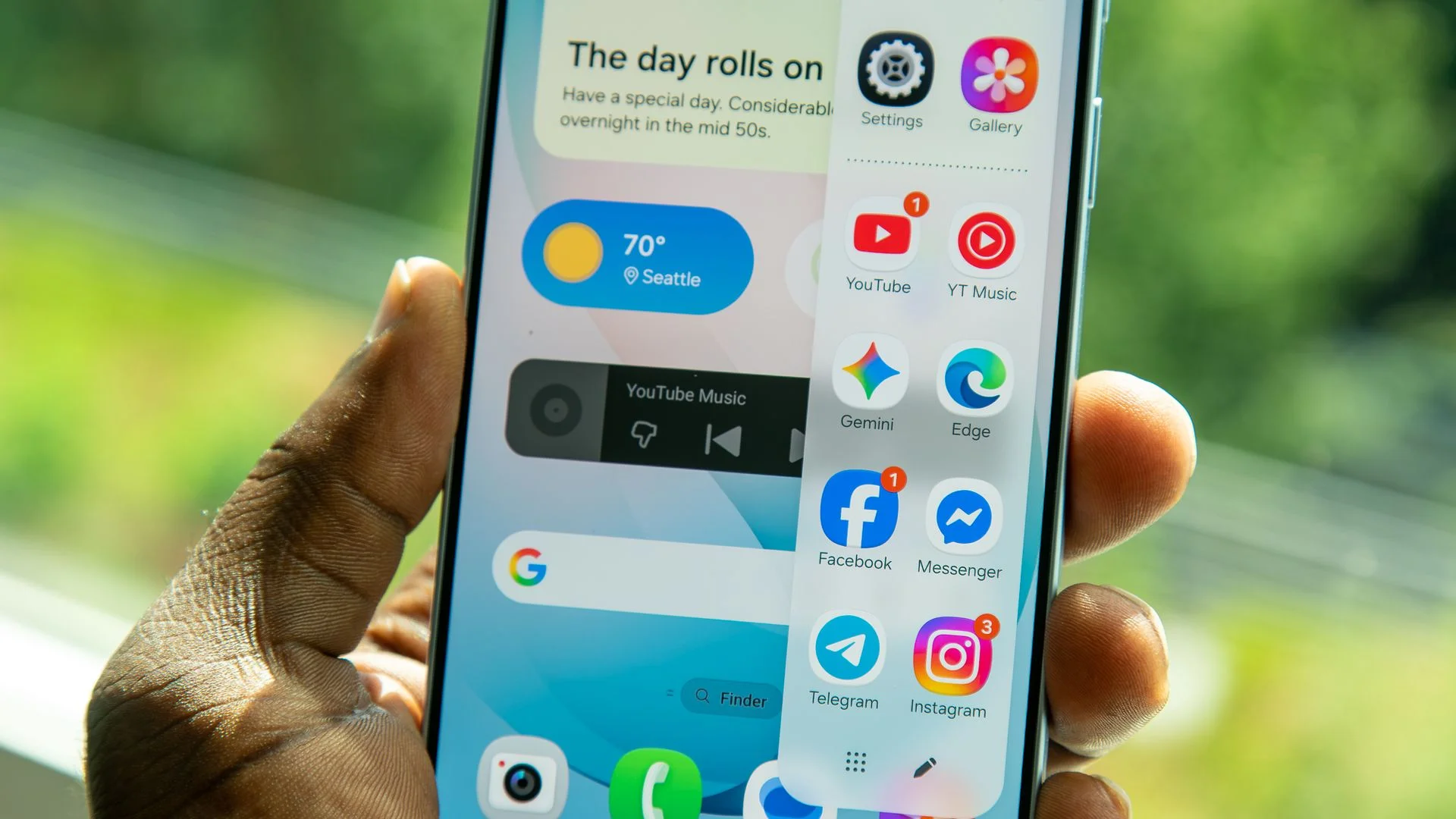
Samsung's updates are arriving efficiently, a trend fostered by the company's historical punctuality in delivering monthly security patches. This latest update follows the rollout of One UI 9, which made its debut with the S26 Ultra in the U.S. mere weeks earlier. Not to overlook, the substantial Android 17 update, weighing in at about 4GB, had previously been delayed for many users; this likely stemmed from Samsung's decision to bundle it with essential security updates. It raised questions about their update management strategy, especially since users with various carriers, including T-Mobile, were among the first to see the improvements, while others like AT&T and Verizon experienced delays until mid-to-late September.
Implications and Significance
This fast-paced rollout and focus on security upgrades reflect Samsung's commitment to providing a reliable user experience in an age riddled with cybersecurity threats. If you're working in this space, you can't underestimate how security concerns shape consumer behavior. The implications are multi-fold: for manufacturers, it means constant vigilance; for consumers, it necessitates staying informed about updates and understanding their importance. These patches aren’t simply about fixing bugs; they’re about maintaining trust. Users expect their devices to be not only functional but secure.
Moreover, this approach could influence other manufacturers to step up their update strategies. As Samsung leads by example, it'll force competitors to prioritize security updates more rigorously, indirectly contributing to a more secure ecosystem for all users. And yet, despite these advancements, many still experience fragmentation in update rollouts. Users on different carriers often face delays in receiving updates, which can create dissatisfaction. This highlights the ongoing challenge in the smartphone market — ensuring timely updates irrespective of carrier restrictions.
As Samsung continues to roll out its updates, how they manage feedback and respond to issues from users will also play a critical part in shaping the perception of their brand. The dialogue being fostered online, especially through platforms like X, is an essential component of modern customer service and could serve to strengthen user loyalty. This is where the balance lies: efficient rollout versus user communication. There's no silver bullet, and what works for one segment of users may not resonate with another.