Google Discontinues Safety Signal on LTE Pixel Watch 2 and 3: Transitioning Emergency Features
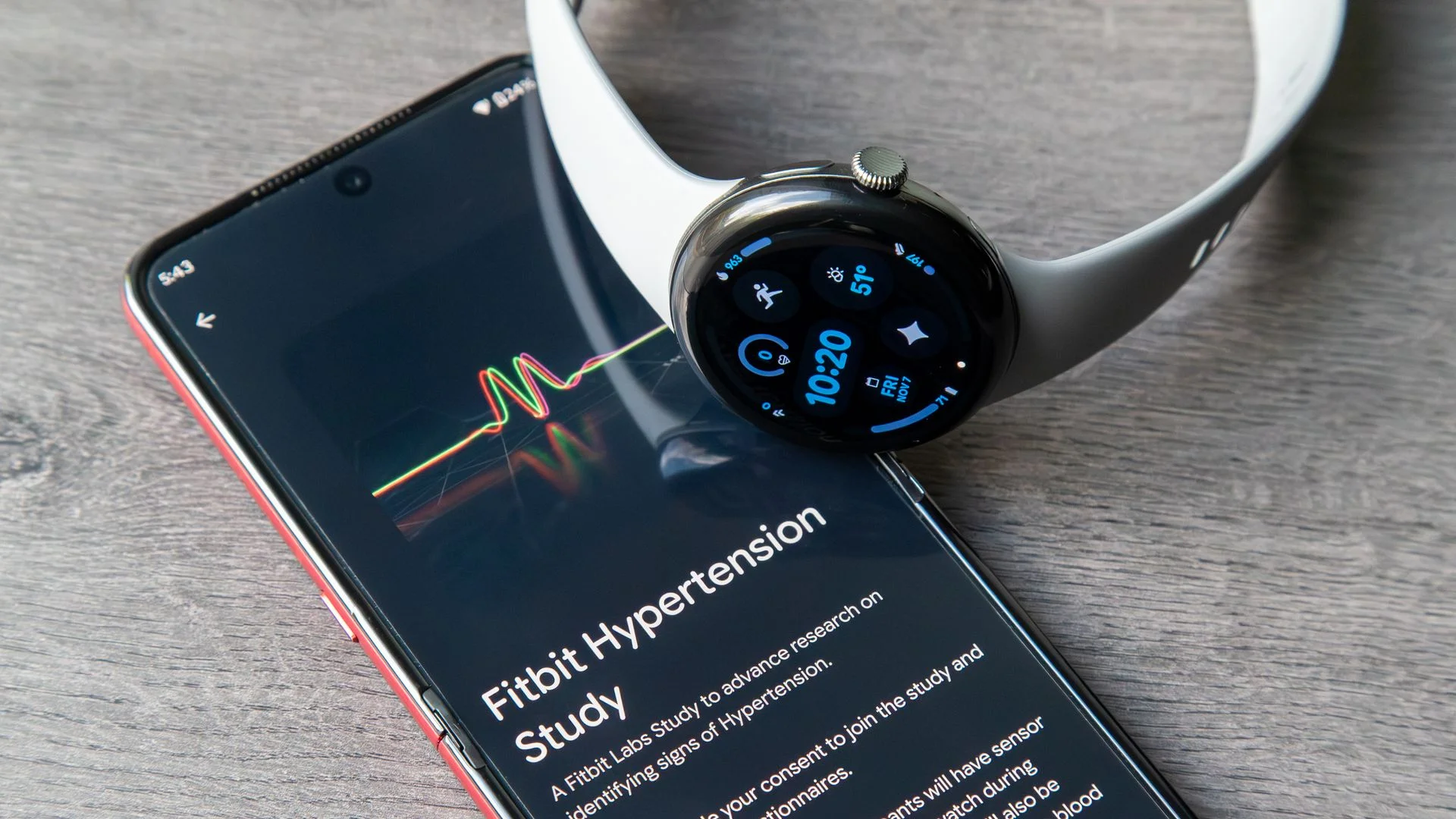
Google has announced that it will discontinue support for its Safety Signal feature on the LTE versions of the Pixel Watch 2 and Pixel Watch 3. This change, set to take effect on December 12, stems from the company's ongoing development of improved connectivity and safety features.
Safety Signal has been a significant aspect for users, providing emergency functionalities such as Emergency SOS and Fall Detection without the requirement of additional subscription plans. In a notification posted on their community forum, Google stated that users would receive notifications via email and push alerts about the termination 30 days prior to the cutoff.
Understanding Safety Signal
Introduced to bolster user safety, Safety Signal was designed to ensure that Pixel Watch users could access essential emergency services without additional costs. For many, the ability to send emergency alerts or detect falls independently of a smartphone was a welcome feature. The functionalities not only represented a technological advancement but also aligned with growing concerns around personal health monitoring and emergency communication. That’s been especially relevant in today's climate, where wearable technology is increasingly tasked with safeguarding users in various scenarios.
What Users Can Expect
Once Safety Signal is discontinued, users will need to rely on cellular connectivity from a mobile plan or an eSIM to access crucial safety features when away from their smartphones. Google emphasizes alternative emergency services available on the watches, such as Emergency SOS, Fall Detection, and Safety Check. While these features are still available, the change is significant.
This immediate shift means that users who relied on Safety Signal for phone-free emergency communications now face added barriers. No longer can they send alerts without incurring added service fees; they’ll need a connection to a supported carrier’s network to achieve similar functionality. For users of Google Fi, which was specifically beneficial for LTE-enabled versions of the watch, this transition could pose challenges in emergency situations.
Exploring Alternative Emergency Features
User reliance on Safety Signal allowed for emergency communications without incurring added service fees. This capability, which facilitated phone-free emergency calls and texts, will now necessitate a connection to a supported carrier's network. Google emphasizes that features such as Emergency SOS still function without Safety Signal. In fact, Emergency SOS allows users to alert emergency contacts and summon aid during a crisis. This can feel like a lifeline, but it also requires a meticulous understanding of one's connectivity options — something that may surprise many users.
Moreover, Fall Detection assesses the severity of falls and initiates a response if needed, although users may find they now need to engage with their devices differently. There’s been an emphasis in recent updates to minimize accidental triggering of these features, ensuring that emergency calls are made when truly necessary. This point is particularly relevant for those users who are concerned about mistakenly activating emergency features during routine activities.
Future Implications for Users
Although the cessation of Safety Signal may feel like a setback for some, it is clear that critical emergency features will remain available. Google’s support pages highlight how users can engage these functionalities. What this means for you is that while you still have vital tools at your disposal, the experience will depend heavily on your mobile provider. Users must keep in mind that their safety capabilities are influenced by their connectivity, potentially prompting a reevaluation of carrier or plan options.
The phasing out of Safety Signal may encourage users to reconsider their connectivity options and embrace the mobile landscape more fully to ensure their safety needs are met. While it could require additional planning and possibly increased costs, users will still have access to essential safety measures on their Pixel Watches. The pressure is on Google to effectively communicate these alternatives and the value they hold for maintaining safety.
The Bigger Picture
The shift away from Safety Signal feels like losing a valuable feature for many, especially those who appreciated having emergency capabilities without extra charges. At a time when safety concerns weigh heavily on consumers, such feature modifications can trigger skepticism. Users often expect these advancements to simplify their lives, not complicate them. If you're working in this space, you'll recognize how user retention hinges on perceived value — and this change has the potential to affect that.
However, Google seems focused on guiding users toward alternate solutions under their existing plans, ensuring not all is lost in the transition. The company must communicate effectively, teaching users how to make the most of the features that remain. There might not be a one-size-fits-all approach to user safety, but a thoughtful pivot here could redefine how users interact with their devices during emergencies. (And this is the part most people overlook: connecting user experience with technological offerings can shape the future of product innovation.) Strong communication and educational efforts will be paramount in mitigating user frustrations as the company navigates this transition.