Samsung's Galaxy Glasses: Lightweight Design Meets Versatile Styling for Smart Eyewear
Samsung is poised to launch its Galaxy Glasses, which are shaping up to be not just lightweight at around 41 grams, but also stylishly diverse. Recent insights from SammyGuru indicate that these AI-enabled smart glasses will be available in a variety of designs before their scheduled November release.
Weight and Battery Features
At just 41 grams with standard lenses, the Galaxy Glasses are lighter than many competitors, which is a solid selling point. Earlier reports had suggested they might tip the scales at 46 to 50 grams, making this new weight a welcome surprise. For context, that’s slightly less than an official golf ball. This lighter design underlines Samsung's aim for all-day wear, an aspect that could drastically influence user adoption rates. Comfort can make or break devices like this, which are still seen as bulky by some consumers. The glasses feature a battery that can power them for up to nine hours, a respectable number that allows for day-long use without the need for constant recharging. When paired with their charging case, total battery life extends to an impressive 72 hours. Users should, however, consider how realistically they can take advantage of such battery life in active daily routines.
Design Variants and Collaborations
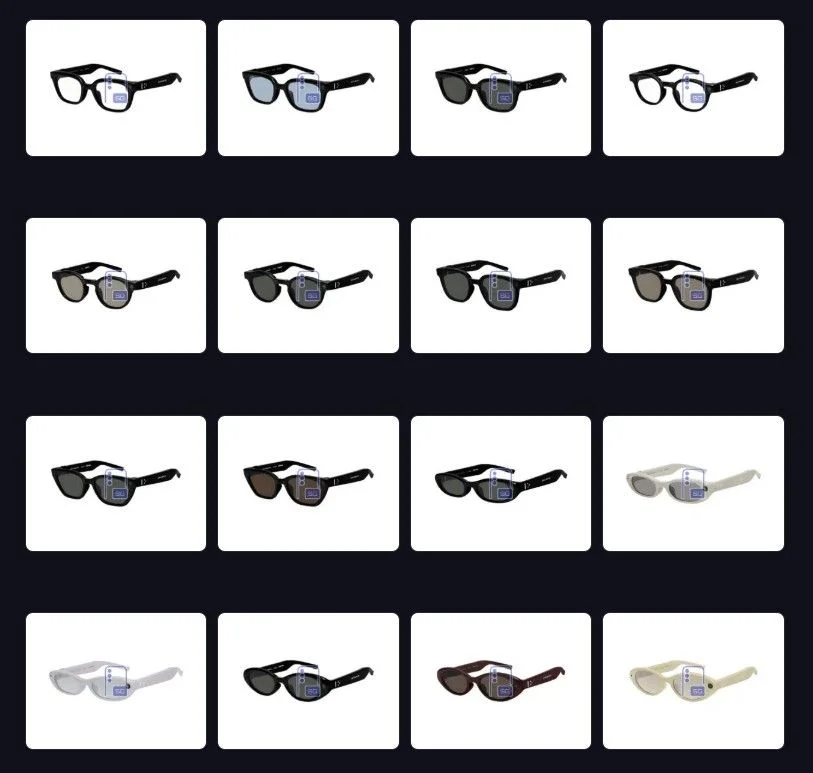
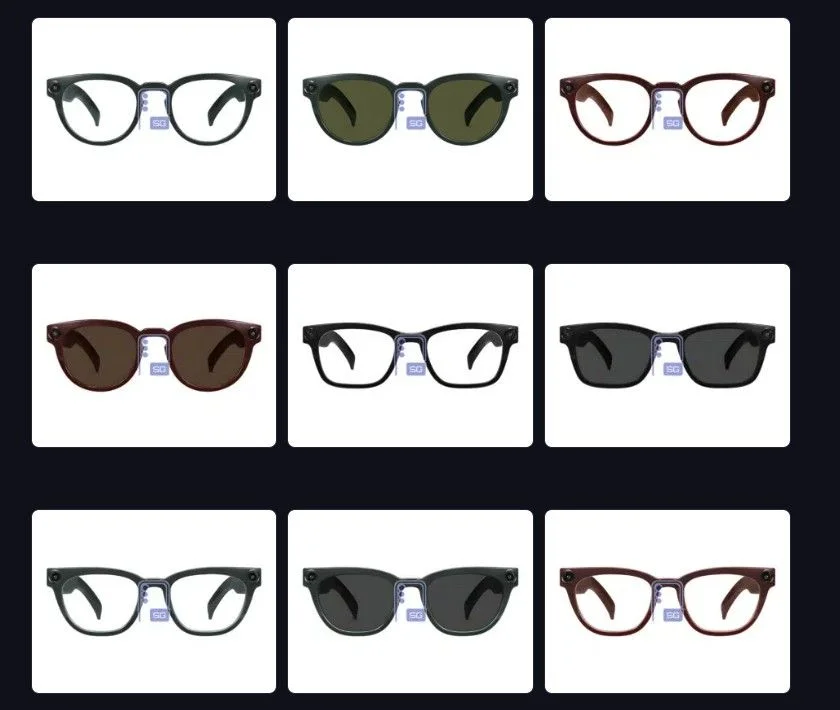
Samsung has tapped fashion-forward brands like Gentle Monster and Warby Parker to create an array of styles, which is a smart strategy in blending tech with fashion. Gentle Monster will offer six frame designs in 16 color variants—think hues like black, burgundy, cream, and pale lilac. These color options could appeal to a wider audience, especially among fashion-conscious consumers who might be hesitant about adopting tech gadgets. Conversely, Warby Parker plans to roll out three styles named Alden, Reid, and Wren, available in shades including dark green and reddish brown, with options for clear and tinted lenses. This collaboration not only diversifies the product range but also gives Samsung credibility in fashion circles, which is increasingly important for tech products in the wearable category.
Performance and Future Directions
The Galaxy Glasses will run on Android XR, featuring an AI brain powered by Google’s Gemini, marking a critical choice for their intended functionality. The integration of modern tech ensures that these glasses won't just sit pretty — they'll actually perform tasks relevant to users’ lifestyles. They're outfitted with Qualcomm’s Snapdragon AR1 Gen 1 chipset, 2GB of RAM, and 64GB of storage, which positions them well for multi-tasking basic applications.
One notable feature is the 12MP camera capable of capturing 3K video at 30 frames per second, which is significant for those wishing to record high-quality video on the go. Supported by four microphones for voice calls and AI interactions, this design could prove beneficial for scenarios from casual gatherings to work meetings. And don’t forget the two open-ear speakers, allowing wearers to remain aware of their surroundings. That’s vital in today’s bustling environments, where being oblivious isn’t a luxury most can afford.
The anticipated November launch targets South Korea and the US for the Gentle Monster models, while Warby Parker’s editions will focus first on the US market. Availability will encompass brand stores, websites, and select Samsung Experience Stores, which should make them accessible to a broader audience. Pricing remains undisclosed, but the competitive landscape means Samsung will need to be strategic; undercutting competitors or providing value through unique features could be essential.
As Samsung steps into a crowded smart glasses market dominated by established names like Meta, the emphasis on comfort, style, and battery life could provide notable advantages. But here's the real question: will consumers adopt the technology if it doesn't solve tangible problems? The fate of the Galaxy Glasses depends on practicality and user experience, which are often overlooked until products hit the market.
Implications and Future Outlook
Samsung's entry into the smart glasses market signifies a shift in how tech companies are approaching wearables. It's not just about functionality anymore; the aesthetic appeal plays a significant role in consumer adoption. If you're working in this space, understanding the balance between tech and design could become critical. As we know, successful wearables usually strike that tricky balance: they must look good while providing real utility. If Samsung can hit these notes well, they could secure a serious foothold in a competitive area.
What this means for you, the consumer, is an increasingly varied marketplace. More players in this sector typically lead to better options, whether in terms of design, features, or price. Additionally, there will likely be an increased focus on smart integration with other devices, expanding on the interconnectedness we see with smartphones. The stakes are high, and while Samsung has the brand power, the true test will be whether they can deliver a product that lives up to expectations. This isn’t just another gadget; it might be a step toward reshaping how we think about wearables directly influencing our daily lives (and this is the part most people overlook).