Samsung Exynos 2700 Reportedly Leads Snapdragon Extreme in Early Chip Tests
Samsung’s Exynos 2700 is reportedly posting strong early results against Qualcomm’s next flagship chip, but the figures leave key questions unanswered about how that lead would translate into actual phones. A Korean report says Samsung tested the processor in Xiaomi 18 Pro Max and 18 Pro devices, claiming it outpaced Qualcomm’s Snapdragon Extreme in several benchmarks. Those results, if they hold up, would matter because flagship processors compete on more than peak scores: sustained speed, heat, power use and performance across different workloads all shape the experience buyers get.
Early benchmarks point to a mixed lead
According to EB News, as relayed by SamMobile, the Exynos 2700 reached 13,000 in Geekbench CPU testing. The report puts its CPU score about 20% above the Snapdragon Extreme in the Xiaomi 18 Pro Max. It also claims a roughly 20% advantage in GPU performance, though the gap narrows to 5% for basic graphics calculations relevant to gaming. That spread makes the headline less simple than “Exynos wins”: the apparent advantage depends on which test is being discussed.
Geekbench scores can offer a useful snapshot of processor performance, but they don't describe every task a phone handles. A CPU result may reflect short bursts of work, while gaming and other demanding uses can place sustained pressure on both the processor and the device’s cooling system. The report doesn’t provide enough detail to establish whether the two chips were tested under identical conditions, or how many runs informed the comparison.
The GPU figures deserve the same caution. A broad graphics benchmark doesn't necessarily predict frame rates, image quality or consistency in a particular game, since those outcomes also depend on software and device settings. A reported 20% lead in one kind of GPU test, alongside a 5% gap in basic graphics calculations, suggests that the result varies with the workload. That distinction matters to anyone trying to infer everyday gaming performance from a single score.
These are preliminary figures, and there’s no detailed account of test conditions or confirmation from Samsung. A benchmark advantage is a lead in a particular test, not proof that a retail phone will feel faster across the board. Real devices and repeatable comparisons will tell us more than a reported benchmark result.
Performance claims bring back thermal questions
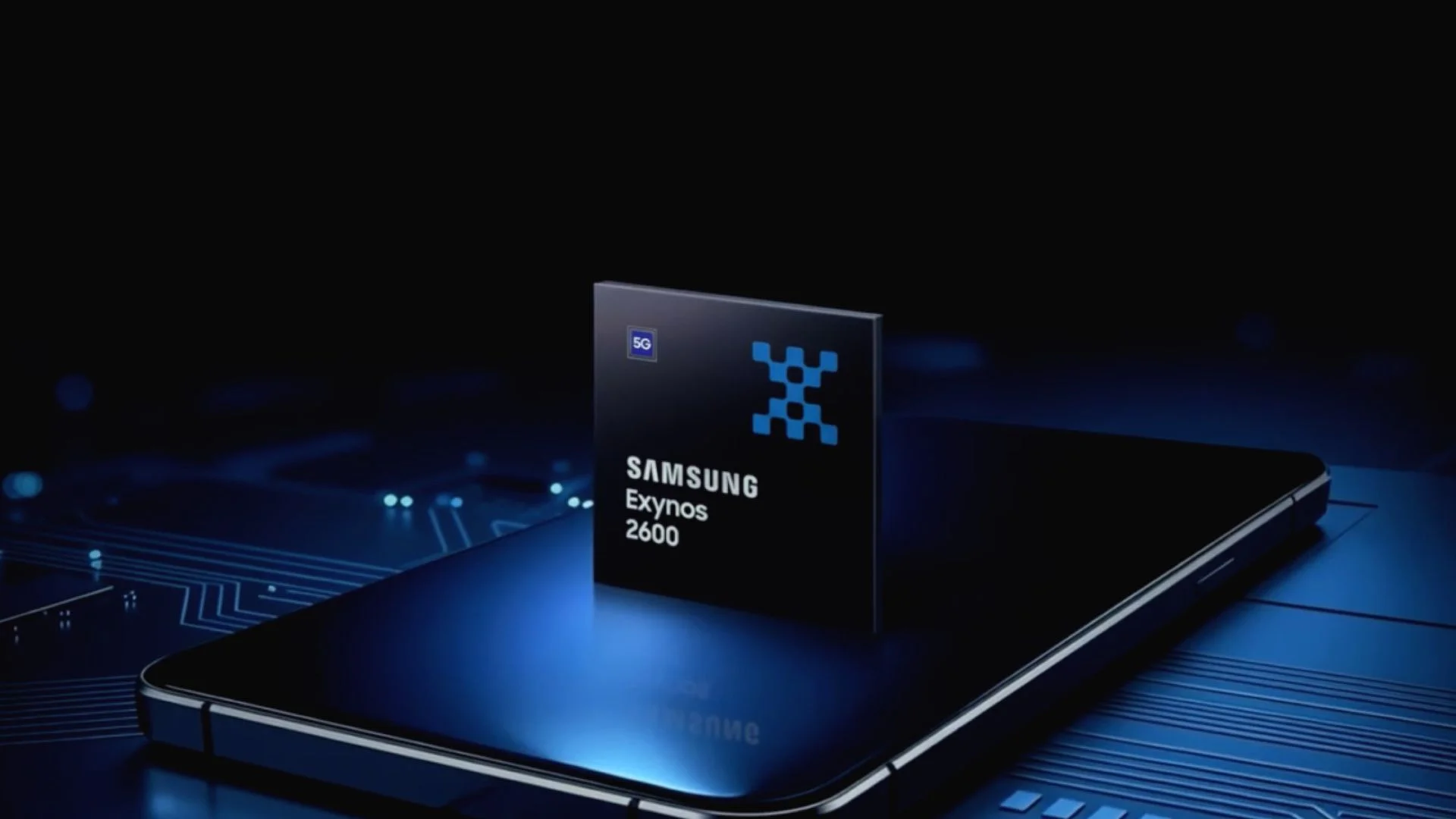
This is the second round of reports suggesting the Exynos 2700 could surpass Qualcomm’s upcoming silicon. Earlier rumors said it led in CPU, GPU and AI tests, with claimed gains of 24% over the Snapdragon 8 Elite Gen 6 and 22% over the Pro model, now reportedly called the Extreme. Those claims and the latest figures remain unverified. The repeated reports add interest, but they don't independently confirm the results; the underlying evidence still appears to come from claims rather than a public, controlled comparison.
Thermals are another open question. Samsung has reportedly considered a new HPB, while separate reports have raised overheating concerns around Qualcomm’s chip—claims Qualcomm quickly denied. The article doesn’t establish what the HPB would do in a finished device, or whether it would change sustained performance. Similar systems typically have to balance heat, power consumption and speed, so a strong short test can coexist with lower performance after a longer workload.
A benchmark advantage will mean less if the Exynos can't sustain performance under load. That’s the part most likely to separate a promising lab result from a convincing phone experience (and this is the part most people overlook). A device that starts fast but throttles during extended use may not deliver the same advantage that a brief test suggests.
What the results could mean for buyers
This is more significant than it looks, but only as an early signal: the reports suggest Samsung’s next chip may be competitive across several workloads, rather than trailing by default. The evidence remains too thin to say that it has secured a real-world win. If you're working in this space, the useful questions are now about repeatability, sustained performance and the conditions behind each comparison.
For buyers, the practical takeaway is to treat the numbers as a signal to watch, with sustained speed and heat behavior still to be established. Once devices can be tested directly, comparisons across the same apps and workloads should make the tradeoffs clearer. Until then, the reported lead is promising, but its size and practical value remain uncertain.