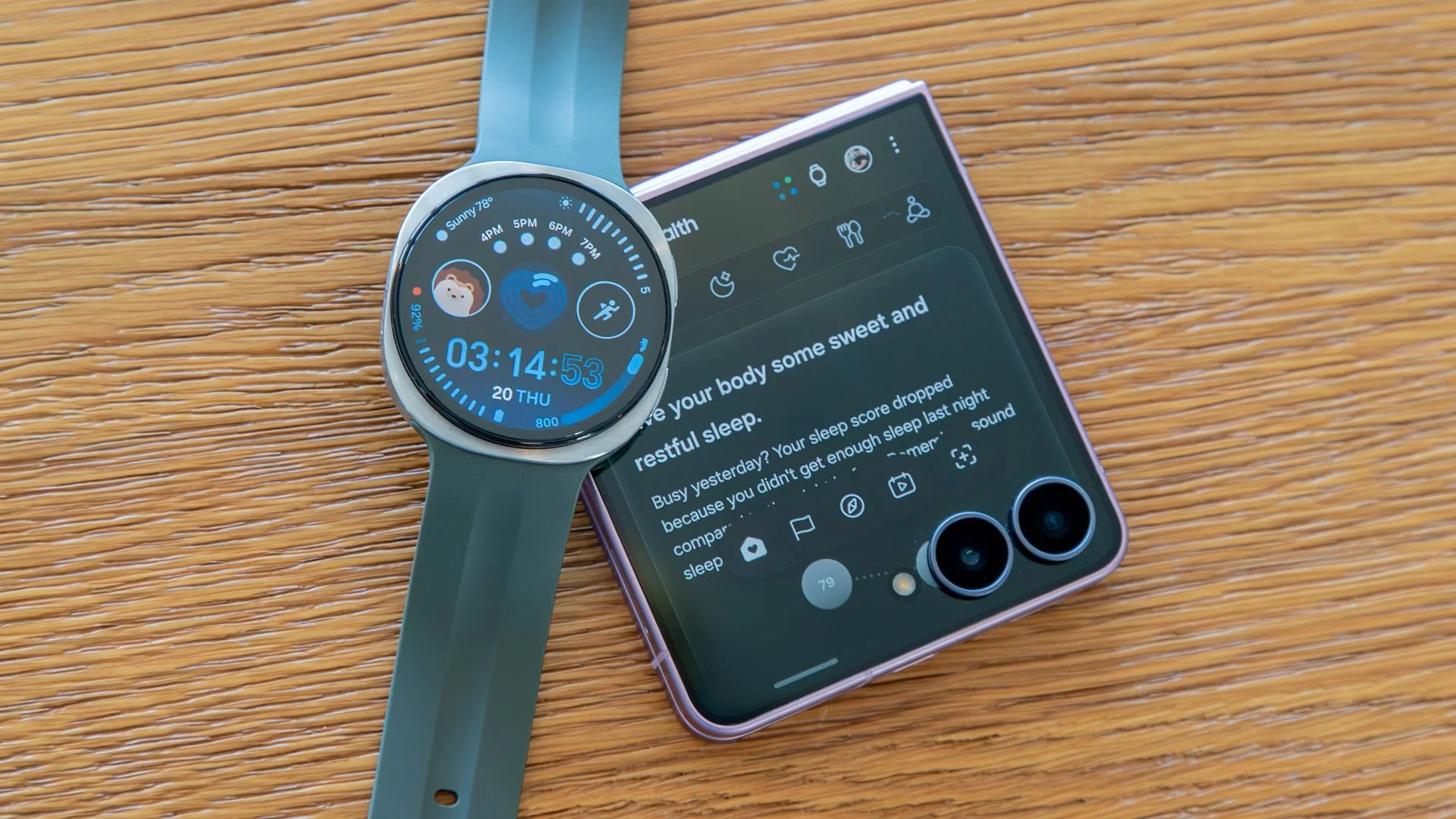
Google Health 5.11 Brings Blood Pressure and Insulin Trends to Fitbit Air
Fitbit Air adds two monthly health trends
Google Health 5.11 brings Fitbit Air users access to longer-term health trends that Google previously announced for Pixel Watch. The update is rolling out on Android and iOS, and Health Premium subscribers can set up the features now. Their first monthly health summary is due at the beginning of November, giving users a recurring view rather than a reading tied to one particular day. That distinction matters: trends can make gradual changes easier to notice, but they also depend on having enough usable data to form a pattern.
Health Guardian adds Blood Pressure and Insulin Resistance trends to Fitbit Air. The blood pressure view tracks changes that could put strain on the heart and appears after at least five days of wear. Insulin Resistance highlights monthly shifts in metabolic well-being, with at least seven days of data required. Those thresholds are a reminder that the features need sustained use before they can say anything useful; a tracker left in a drawer won't build much of a record.
Google describes the insights as wellness indicators, not diagnostic tools. They’re intended to surface patterns across several weeks, rather than offer a snapshot of someone’s condition at a particular moment. That framing is sensible for consumer health software, where a pattern may prompt someone to pay closer attention but shouldn’t be mistaken for a clinical assessment. Fitbit Air owners also need a Health Premium subscription to access the trends, while Pixel Watch 3, 4, and 5 users can access Health Guardian features for free.
That difference in access makes the rollout more than a simple feature addition. Fitbit Air owners will need both regular wear and a paid subscription to get these summaries, while the listed Pixel Watch models don’t carry that subscription requirement for Health Guardian. The underlying promise is similar across devices: more context over time. The cost of getting that context isn't the same.
Fitbit Edge users are expected to receive Health Guardian on or around October 27. The feature first appeared in Google’s September announcement of new Pixel Watch tools, which also included sleep breathing quality tracking. Bringing Health Guardian to Fitbit Air and Edge extends its reach across Google’s device lineup, though the available information doesn’t establish that every announced Pixel Watch tool is arriving on the same schedule or on every Fitbit device.
Activity detection and sleep tracking get updates
Version 5.11 also improves automatic activity tracking. Google says the app will use routines and activity history to better identify workouts, drawing on a user’s established patterns instead of treating each session as an isolated event. Sessions lasting at least 15 minutes can be logged when the device detects a sustained elevated heart rate. Fitbit trackers and Pixel watches can recognize up to 100 activities, although the update description doesn’t say how often the app will misclassify a workout or miss one altogether.
That approach could reduce the effort involved in logging exercise, especially for people who follow regular routines. But automatic recognition still depends on what the device can detect, and an elevated heart rate alone doesn’t explain what a person is doing. Here’s the thing: convenience is useful only when the resulting record is accurate enough for users to trust. If you're working in this space, that trade-off is familiar—less manual input can make tracking easier, but it also puts more weight on the quality of the device’s inferences.
The update renames the app’s glucose tracking section to “Glucose” and speeds up syncing with Abbott’s Lingo. Sleep tracking gets better awake detection, and users can now edit recorded naps more easily. These changes address everyday friction in the app: clearer labels, faster data transfer, and a way to correct a sleep record when the automated result doesn’t match what happened.
Most of these changes are rolling out to Fitbit Air and Pixel Watch 3, 4, and 5. Fitbit Edge is also slated to receive the automatic tracking update beginning around October 27. The timing and device coverage vary by feature, so users shouldn’t assume that every part of version 5.11 will arrive for every device at once.
Trends depend on consistent wear
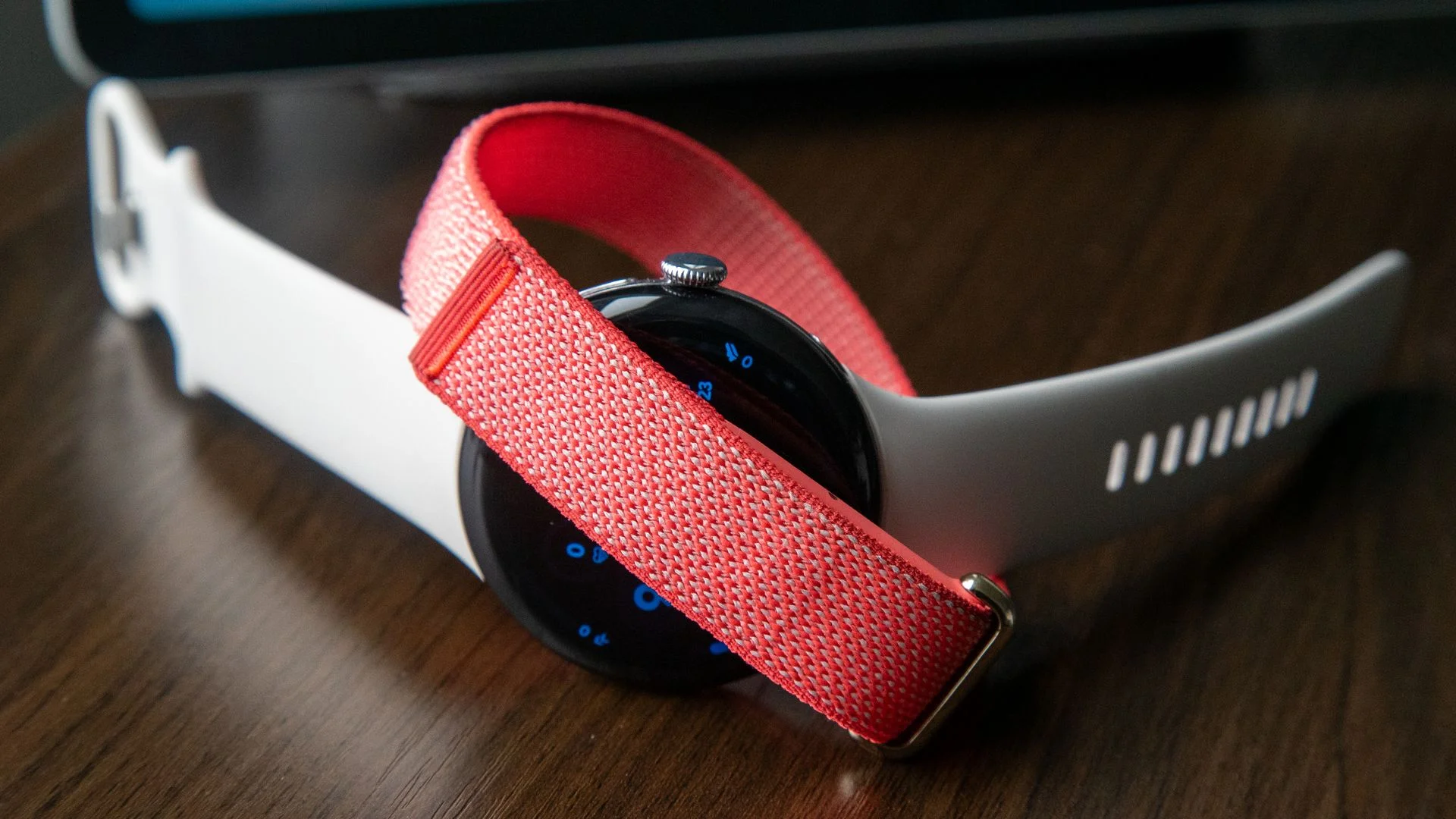
The practical value of Health Guardian hinges on building a usable record over time. Fitbit Air needs several days of wear before its new insights appear, and the monthly summaries depend on collecting data across that period. For professionals assessing the update, the key shift is that Google is extending longitudinal tracking to another device while requiring a paid subscription on Fitbit Air. This is more significant than it looks: the feature’s usefulness rests on a combination of access, consistent wear, and patience.
That combination puts the user’s habits at the center of the product. A monthly trend can offer a broader view than a single measurement, but it won’t be equally informative for someone who wears the device sporadically. (And this is the part most people overlook.) More data can show a pattern; it can't, by itself, explain what caused one. Useful context, with limits.
What the rollout means for Fitbit users
Google is broadening the role of its health app from recording activity and sleep toward presenting longer-term signals across multiple areas of well-being. For Fitbit Air owners, Health Guardian adds another reason to keep the device on regularly, while the subscription requirement makes access part of the product decision. Pixel Watch owners on the listed models get a different deal, with the features available for free. That split may shape how users compare the devices, even though the available details don’t say whether the trend views work identically across them.
The update’s wider significance will depend on how clearly the app explains its summaries and how well users understand their limits. Google’s wellness disclaimer sets an important boundary, but users still need to interpret a trend as a prompt for awareness rather than a diagnosis. The activity and sleep changes are more modest, aimed at making routine tracking easier and records more editable. Taken together, version 5.11 extends the app’s reach while leaving the central question unresolved: will users wear the devices consistently enough for these longer-term views to earn a place in their routine?