Samsung's Upcoming Galaxy Ring 2 to Possibly Support iOS: What We Know So Far
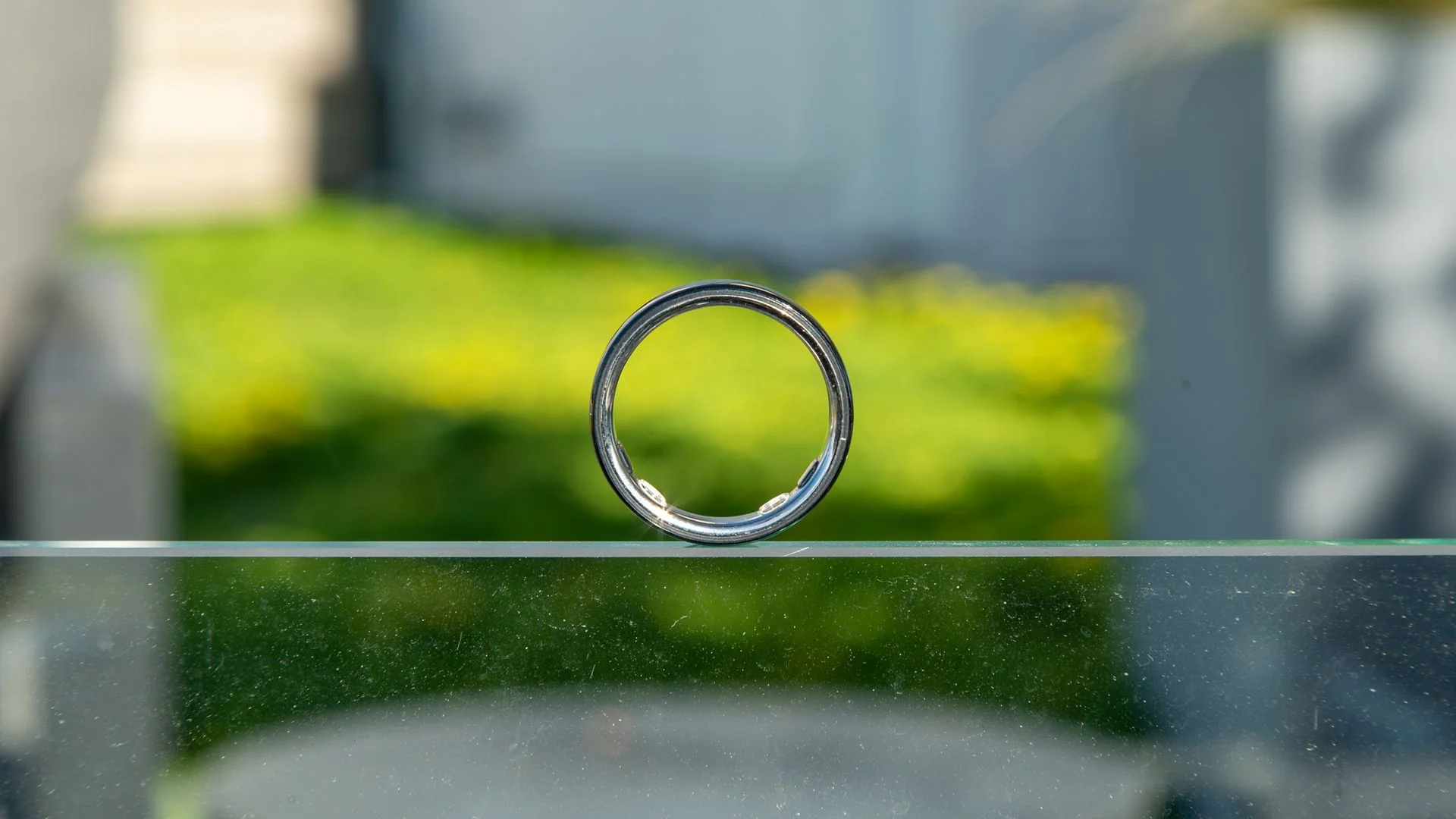
The Samsung Galaxy Ring has established itself as a contender in the smart ring market since its debut in 2024. Yet, as competitors advance, including the recent Oura Ring 5, the demand for a next-generation model intensifies. The rise in popularity of wearable technology has created a diverse ecosystem where users are increasingly searching for devices that not only track health but also do so with accuracy and style.
Smart rings, compact and unobtrusive, cater to consumers looking for alternatives to bulkier smartwatches. As consumer demand shifts toward more integrated health tracking, the ability of a device to monitor vital statistics continuously will be pivotal. This competitive push means the Galaxy Ring must not only keep pace but also set new benchmarks to maintain relevance.
Samsung’s Commitment to the Galaxy Ring Series
Samsung's commitment to the Galaxy Ring series has been solidified with the official announcement from Dr. Hon Pak, the head of digital health. According to a recent Forbes report, engineers are honing in on two critical aspects: sensor accuracy and battery longevity. These are not just technical adjustments; they reflect an understanding of consumer expectations in a market that has become increasingly sophisticated.
As fitness tracking becomes more ingrained in daily routines, the expectation for devices to deliver precise measurements has grown. Consumers want to see verified health data that inspires trust in their device. If Samsung can enhance sensor performance significantly, it stands to gain not just market share but also a loyal customer base.
Galaxy Ring 2: What to Expect
The existing Galaxy Ring boasts a battery life of six to seven days, which, while respectable, trails behind competitors like the Ringconn Gen 2 Air and the Oura Ring 5, which last up to ten and nine days, respectively. Battery longevity is a more than just a convenience factor; it goes to the core of user experience. Consumers want devices that can take the strain of daily wear without necessitating frequent recharges.
Enhancements in battery technology have proven elusive, so if Samsung aims to improve upon this aspect, it may need to explore new materials or energy-saving features. It’s likely they’ll also have to balance this with enhancements in the ring's feature set, which may add to its power demands. If they slip behind in this area, the Galaxy Ring 2 could face serious challenges in winning over customers who prioritize longevity.
Potential Compatibility with iOS
One particularly intriguing development is the possibility of the Galaxy Ring 2 being compatible with iOS devices. Currently, the first-generation model functions only with Android, necessitating a Samsung Galaxy phone for full access to its features. Dr. Pak's ambiguous yet optimistic remarks when asked about iOS compatibility suggest promising developments on the horizon: “I’m smiling, but I can’t say anything; I think you’ll be very pleased with some of the releases and the upcoming news.”
If Samsung successfully expands compatibility, it could significantly boost the ring's marketability, especially among Apple users who currently feel alienated. Expanding this ecosystem will be a test of Samsung's commitment to inclusivity in tech. While it’s a step that could strengthen the Galaxy Ring's appeal, the question remains: how quickly can Samsung implement this shift without sacrificing quality?
What Features Do Users Want?
The Galaxy Ring 2 isn't expected to hit the market until 2027, but discussions about desired features abound. Users have expressed a keen interest in haptic feedback capabilities, which could serve as silent alarms or notifications during medical emergencies. The demand for haptic feedback ties into a broader trend in wearables, as users desire personalized ways to receive information discreetly.
Another notable feature in development is non-invasive blood glucose monitoring—an area many wearable tech manufacturers are eyeing. While this might debut first in the Galaxy Watch series, it's a long-awaited feature that many hope to see incorporated into the Galaxy Ring 2 down the line. This isn't just a feature; it represents a shift towards making health tracking more inclusive and comprehensive. The concept of being able to monitor crucial health metrics without invasive procedures could redefine user expectations.
What would you like to see in the upcoming Galaxy Ring 2? Share your thoughts in the comments below. Asking for user input showcases Samsung's belief in customer-driven design, but it also underlines the challenges they face in meeting diverse consumer needs.
Implications and Future Outlook
The future of the Galaxy Ring series hinges on Samsung's ability to navigate an increasingly competitive market. If the company can address concerns about battery life, sensor accuracy, and compatibility with both major mobile ecosystems, it stands to strengthen its foothold. However, failure to do so could place the Ring at a disadvantage, especially as rivals like Oura continue to innovate.
The shift towards more sophisticated health monitoring promises to define the next generation of wearables. This push won't just alter how consumers approach health management; it could redefine relationships with technology itself. If Samsung plays its cards right, they can not only keep pace but lead in groundbreaking advancements.