European Semiconductor Sector Sees Surge in 2025 Funding, Highlighting AI and High-Performance Technologies
Investment Momentum in Europe's Semiconductor Sector
In 2025, European semiconductor companies experienced significant funding as both government initiatives and private investors intensified support for critical technologies. The focus was firmly placed on areas like artificial intelligence (AI), high-performance computing, next-gen communications, and energy-efficient electronics — all vital technologies for modern economies. This trend underscores Europe's ambition to enhance its role within the semiconductor supply chain while responding to the increasing demand for AI infrastructures. The European Union's push for technological sovereignty in semiconductor production is becoming increasingly evident, motivated by the global race for leadership in technology domains that are essential for everything from consumer devices to defense systems.
Leading Investment Hubs
The Netherlands distinguished itself as the most influential investment hub in 2025, propelled by NXP Semiconductors' impressive €1 billion loan from the European Investment Bank. This substantial funding showcases a broader trend: the EU is making strategic decisions about where to allocate resources, aiming to capitalize on emerging technologies. Other notable investments among companies like Axelera AI, EFFECT Photonics, and Eyeo illustrate a commitment to nurturing diverse technological sectors. The UK followed closely with considerable activity, particularly in compound semiconductors and photonics — areas that are increasingly seen as critical for future innovation. Belgium, Germany, Switzerland, Spain, and France weren't left behind either, each reporting substantial funding rounds dedicated to niche semiconductor technologies. What we’re witnessing is a focused effort amongst European nations to not only support local ecosystems but also create stronger international competitors.
Role of Debt Financing and Early-Stage Startups
Debt financing emerged as a pivotal strategy, particularly for established semiconductor firms requiring substantial capital to usher in intensive projects. Unlike equity financing, debt allows firms to maintain ownership while securing needed resources. Yet, this reliance on loans reflects deeper economic dynamics; as the semiconductor industry faces capital-intensive demands, it equates to a gamble on the future profitability of these companies. Alongside this, venture capital continued to flow into early-stage deep technology startups, which are seen as the breeding ground for next-generation innovation. Notably, significant seed and Series A rounds targeted innovations in sectors like optical interconnects and satellite communications. This showcases the breadth of emerging technologies attracting interest and funding. If you're working in this space, it's a sign that investors are looking for startups that can break new ground, potentially changing how we think about connectivity and computing.
Strategic Transactions Reflecting Market Focus
The breadth of investments in 2025 highlighted strategic transactions aimed at establishing strong semiconductor capabilities. Companies focusing on AI accelerators, advanced cooling systems, and power semiconductors garnered attention. This illustrates an ongoing shift in technological needs within computing and communications. The convergence of demands in these sectors is pushing for more collaboration and partnerships, as companies seek to align their strategies with market trends. These investments not only bolster local industries but aim to ensure resilience within regional and global supply chains for semiconductors. There's a palpable sense that the industry is preparing for both opportunities and challenges; the current geopolitical climate makes self-sufficiency in technology supply chains more pressing than ever.
Top Funded Companies in 2025
Here's a closer look at ten standout semiconductor firms that raised significant capital in 2025:
NXP Semiconductors
Amount raised: €1B
NXP Semiconductors spearheaded the funding with a €1 billion loan from the European Investment Bank, supporting extensive R&D in power electronics and microcontrollers across various European countries. This investment promises to solidify NXP's positioning within the market, helping it remain competitive against US-based giants.
Ferroelectric Memory Company (FMC)
Amount raised: €100M
FMC specializes in non-volatile memory technologies. They raised €100 million to advance its DRAM+ and 3D-CACHE+ memory solutions optimized for AI and edge applications, catering to the soaring demand for faster memory solutions in computing.
Axelera AI

Amount raised: €61.6M
Axelera AI raised €61.6 million to expand its offerings of energy-efficient AI acceleration chips designed for various sectors, including healthcare and smart cities. As AI needs grow, investments like this are becoming increasingly meaningful.
Paragraf

Amount raised: $55M
Paragraf attracted $55 million in Series C funding aimed at bolstering its production capabilities for graphene-based semiconductor materials. The application of graphene in semiconductors could redefine performance standards, but this is still a highly experimental space.
Corintis
Amount raised: $49M
Corintis raised $49 million to enhance its microfluidic cooling technology, which is critical for AI processors and high-performance computing applications. Cooling technologies are often overlooked, yet they play an integral role in ensuring reliable and efficient performance.
Swave
Amount raised: €33M
Swave focuses on holographic display technology, securing €33 million for further development of displays catered to augmented reality applications. Here's the thing: AR is a hot sector right now, and companies like Swave are tapping into that growth potential.
CamGaN Devices
Amount raised: £25M
CamGaN Devices raised £25 million to advance its gallium nitride power semiconductor technologies, which are crucial for energy-efficient power conversion. This area is increasingly critical as industries move towards sustainability.
Salience Labs
Amount raised: $30M
Salience Labs raised $30 million to enhance photonic computing technologies for improved data movement in AI infrastructures. The need for efficient data handling is undeniable, particularly as the AI landscape expands.
CamGraPhIC
Amount raised: €25M
CamGraPhIC secured €25 million for its innovative graphene-based silicon photonics solutions aimed at accelerating optical communications. This technology could eventually change how data is transmitted, though it remains in the developmental stage.
IQE
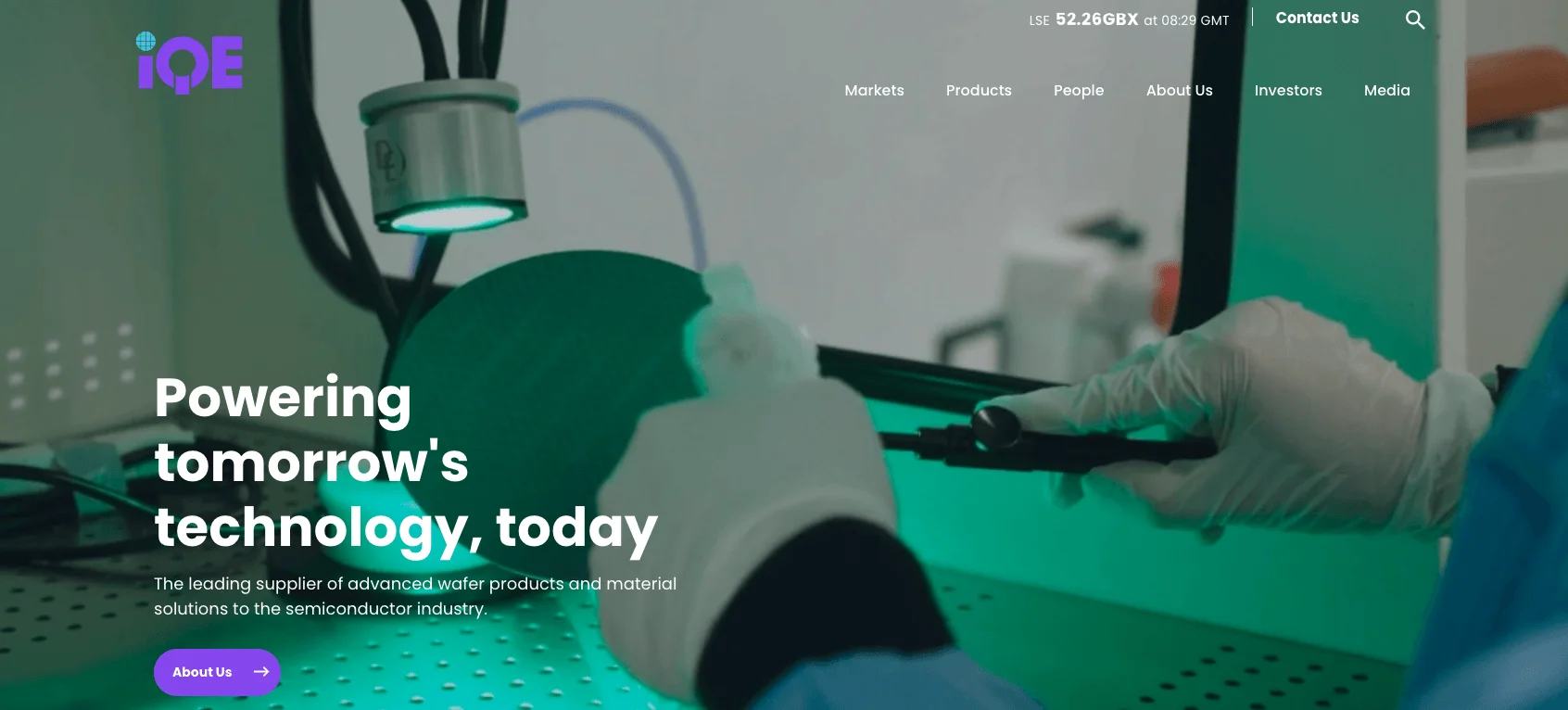
Amount raised: £18M
IQE raised £18 million through convertible loan notes, aimed at maintaining liquidity while continuing its strategic review process. This reflects the ongoing challenges as companies navigate the road to sustainable growth.
Future Outlook
With an increasing number of ventures pushing the boundaries of semiconductor technology, the investments seen in 2025 signal strong growth prospects for Europe’s semiconductor sector. As demand for AI-driven solutions strengthens, companies will likely need to continuously adapt and innovate to ensure they remain at the forefront of technological advancements. And what does this mean for you? If you're involved in the tech sector, whether as an investor, engineer, or entrepreneur, keep a close eye on these emerging trends. The current situation isn’t just about hardware; it’s about the ongoing evolution of applications and infrastructure. The semiconductor industry is gearing up for critical changes.
Implications and Significance
The infusion of capital into Europe's semiconductor sector in 2025 is more significant than it looks. The momentum created by these investments isn’t just about boosting the economy; it reflects a strategic recalibration of where technological power resides. European nations are making a strong case that they can compete with the US and Asia. This investment surge could have long-term implications for global tech supply chains and international competition. We could see a more decentralized semiconductor market, allowing Europe to bolster its economic independence and technological sovereignty. Such a shift adds a layer of resilience in the face of geopolitical tensions and reliance on distant manufacturing hubs. Expect to see continued focus on both innovation and localization — dynamics that could redefine Europe’s technological landscape in the years to come.