Smartphone Market Stumbles in Q2 2026 Amid Memory Crunch, Yet Giants Thrive
Research from Omdia reveals a troubling trend in the global smartphone market, as it experienced a 4% decline year-over-year in Q2 2026. The primary culprit cited for this downturn is the ongoing memory chip shortage, which has significantly impacted manufacturers’ production capabilities and pricing strategies. According to Omdia's analysis, "The current dynamic has created severe market polarization, reflecting stark differences in vendors’ mitigation strategies which vary according to their priorities, scale, price-band focus, and core audience demographics." This situation underscores a critical juncture for the industry, as companies navigate through supply chain disruptions and evolving consumer expectations.
Market Share Dynamics
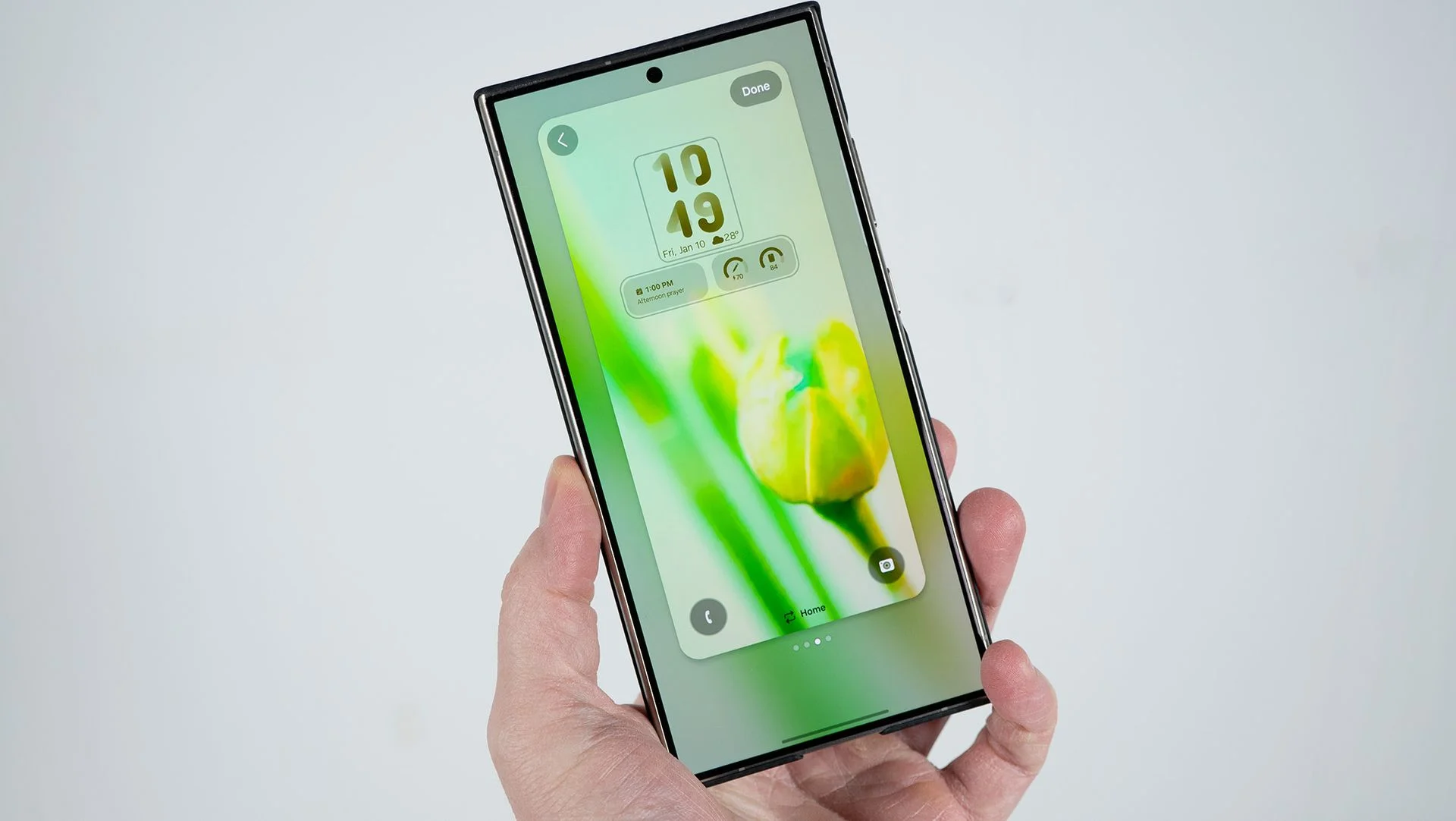
Despite the overall market slump, Samsung and Apple emerged as outliers, gaining market share during this period. Samsung secured the top position with a 22% market share, reflecting a 2% increase from the previous year, while Apple followed closely behind at 20%, boasting a 4% rise. Samsung's sustained demand, particularly attributed to the delayed launch of the Galaxy S26 series, played a crucial role in this growth. This is significant because such delays usually lead to a drop in consumer interest, yet Samsung managed to turn the expected lull into an opportunity. Interestingly, Apple typically faces slower sales in Q2 but managed to raise prices across its product line, leading to an unexpected uptick. This pricing strategy reflects a broader trend where brands capitalize on brand loyalty and premium positioning amidst economic headwinds.
Still, analysts warn that these gains might not last. Runar Bjorhovde, a principal analyst at Omdia, stated, “We anticipate the sharpest volume declines to hit in the upcoming two quarters, where normal seasonal demand peaks—driven by new launches, holidays, and shopping festivals—collide with constrained memory chip supply.” This forecast introduces a layer of uncertainty for Samsung and Apple. The dual impact of seasonal demand and chip shortages could result in a significant sales dip as the market adjusts to new realities.
Searching for Better Times
The smartphone market's path this year has been rocky, with data from Q1 2026 showing a 3% drop in the U.S. market as well. That earlier report attributed the downturn not only to the memory shortage but also to limited carrier upgrades. Limited upgrades mean fewer incentives for consumers to replace their devices, creating a vicious cycle of stagnation. Despite a 5% overall decline year-to-date, Samsung maintained its lead in the Android segment with 24%, while Apple captured a commanding 60% share despite its own 3% drop. A notable surprise in first quarter performances was Motorola, which reported an extraordinary 18% growth against a backdrop of industry struggle. This suggests that even during challenging times, smaller players can find niches to thrive, though replicating this success at scale is a large hurdle.
Looking ahead, Omdia's research indicates dire predictions for budget smartphones, which are expected to suffer more acutely. The report suggests that devices priced under $400 could see their market share decrease by 22%, largely due to the rising costs of memory. It’s a stark reminder that economic pressures don't impact all segments equally. This could prompt manufacturers to pivot toward higher-tier devices, as those typically offer more flexibility in components. If you're working in this space, expect a significant shift in product offerings, with brands prioritizing premium features over budget options.
Android Central's Take
The pricing dynamics of the smartphone market are becoming increasingly critical. As highlighted in Omdia's findings, consumers are hesitant to spend significantly, a concern echoed by Le Xuan Chiew, a research manager at Omdia. While there's optimism that memory prices may dip in early 2027, it’s unlikely that consumers will see those prices revert to 2025 levels anytime soon. Recent consumer behavior suggests an urgency to purchase devices now rather than risk escalating costs later, which creates a pressing need for manufacturers to reassess their pricing strategies and collaborate on solutions to the ongoing supply issues. This urgency could, however, backfire if brands miscalculate consumer sentiment, leading to unsold inventory.
Implications and Future Outlook
The ramifications of this market contraction extend beyond immediate sales figures. We're potentially witnessing a shift in how brands structure their product lines and what they prioritize in upcoming launches. The decline in budget smartphones may compel manufacturers to double down on premium models, altering investment strategies and marketing tactics accordingly. And yet, the demand for affordability can't be dismissed. If companies overlook this segment, they may risk alienating a critical demographic.
Moreover, the market's reliance on memory chips functions as a litmus test for how well companies can adapt to supply chain vulnerabilities. As manufacturers refine their strategies to mitigate risks, the balance between innovation, production costs, and consumer sentiment will define not just who survives, but who thrives as the smartphone market recalibrates.
The next few quarters are poised to be telling. As companies confront these challenges, the responses of major players like Samsung and Apple will be scrutinized, not just for immediate profits but for their longer-term visions in an increasingly complex market environment.