Anticipating the Samsung Galaxy Watch 10: Key Features and Expectations
The Current Landscape of Samsung Smartwatches
The Galaxy Watch 9 is being marketed globally with subtle yet essential improvements, particularly in battery performance, powered by Qualcomm's latest chipset. Despite these enhancements, the design remains unchanged from its predecessor, which raises questions about Samsung's strategy. The focus on software over hardware in this iteration suggests that Samsung is prioritizing user experience, while many had hoped for more visible changes.
Historically, Samsung has positioned its Galaxy Watch line as a strong competitor to other players like Apple and Garmin. The Galaxy Watch 9 follows the brand's trend of delivering well-rounded features but struggles to innovate beyond minor tweaks. When the company shifts attention to software improvements, it often indicates an effort to enhance functionality without the costs and risks associated with new hardware manufacturing.
Pricing Projections for the Galaxy Watch 10
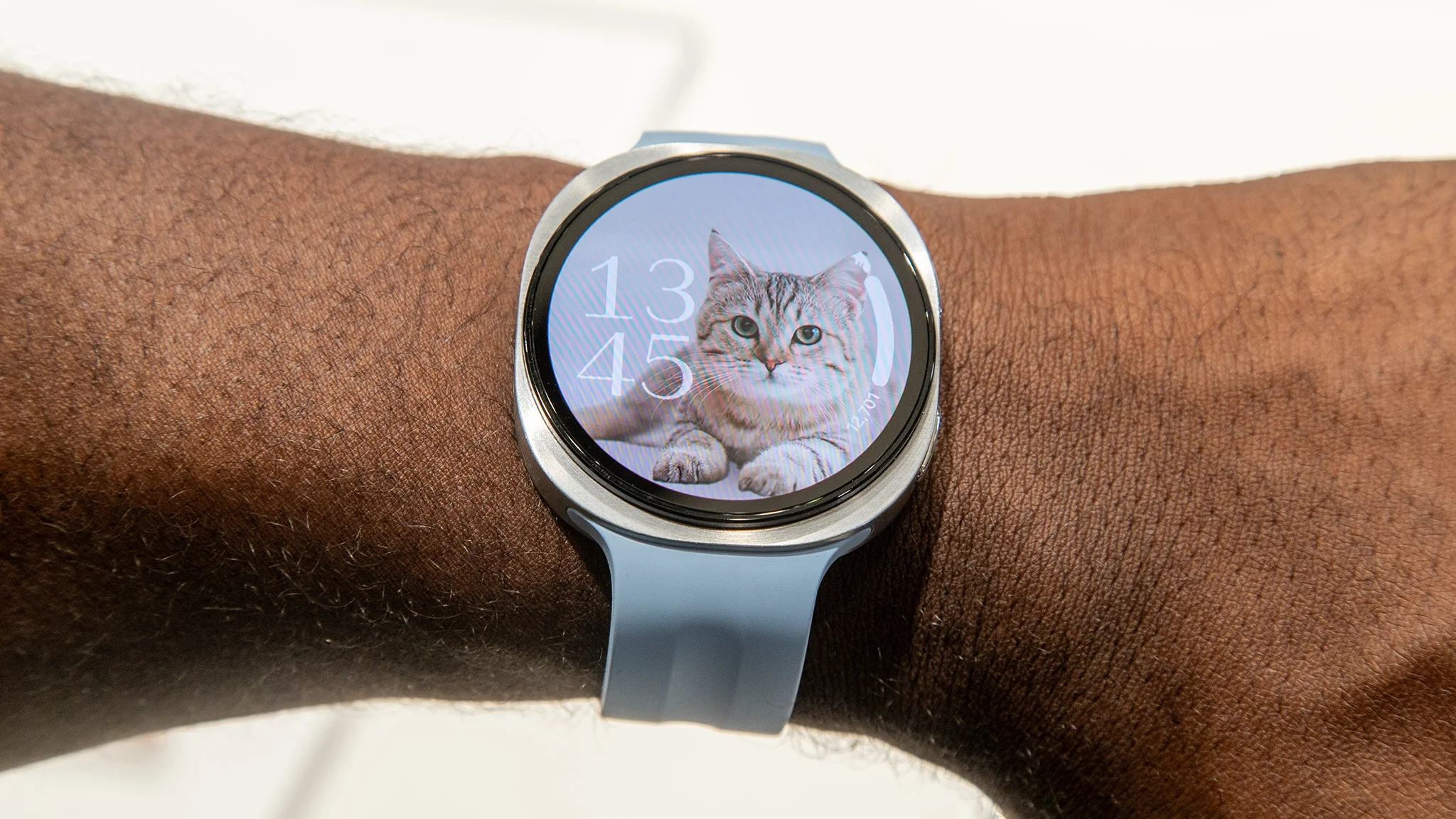
Samsung's uptick in pricing for 2023, with the 40mm Galaxy Watch 9 starting at $379 and the 44mm at $409, signals shifting market dynamics. This represents a $30 increase from the previous model which might seem moderate, but it reflects broader economic influences. Issues in the supply chain, particularly concerning RAM and storage components, play a significant role in this price elevation. With these factors in mind, it wouldn’t be surprising if the Galaxy Watch 10 kicks off at around $399, aligning itself with market trends while potentially alienating budget-conscious consumers.
If you're working in this space, understanding the pricing trajectory could be critical. Many consumers are already more hesitant to spend, influenced by economic uncertainties. Samsung has to balance its need for profit margins with consumer expectations and affordability pressures. An increase in base price while only making incremental improvements might lead to backlash, especially from a tech-savvy audience that’s always on the lookout for real value and innovation.
Desired Features for the Galaxy Watch 10
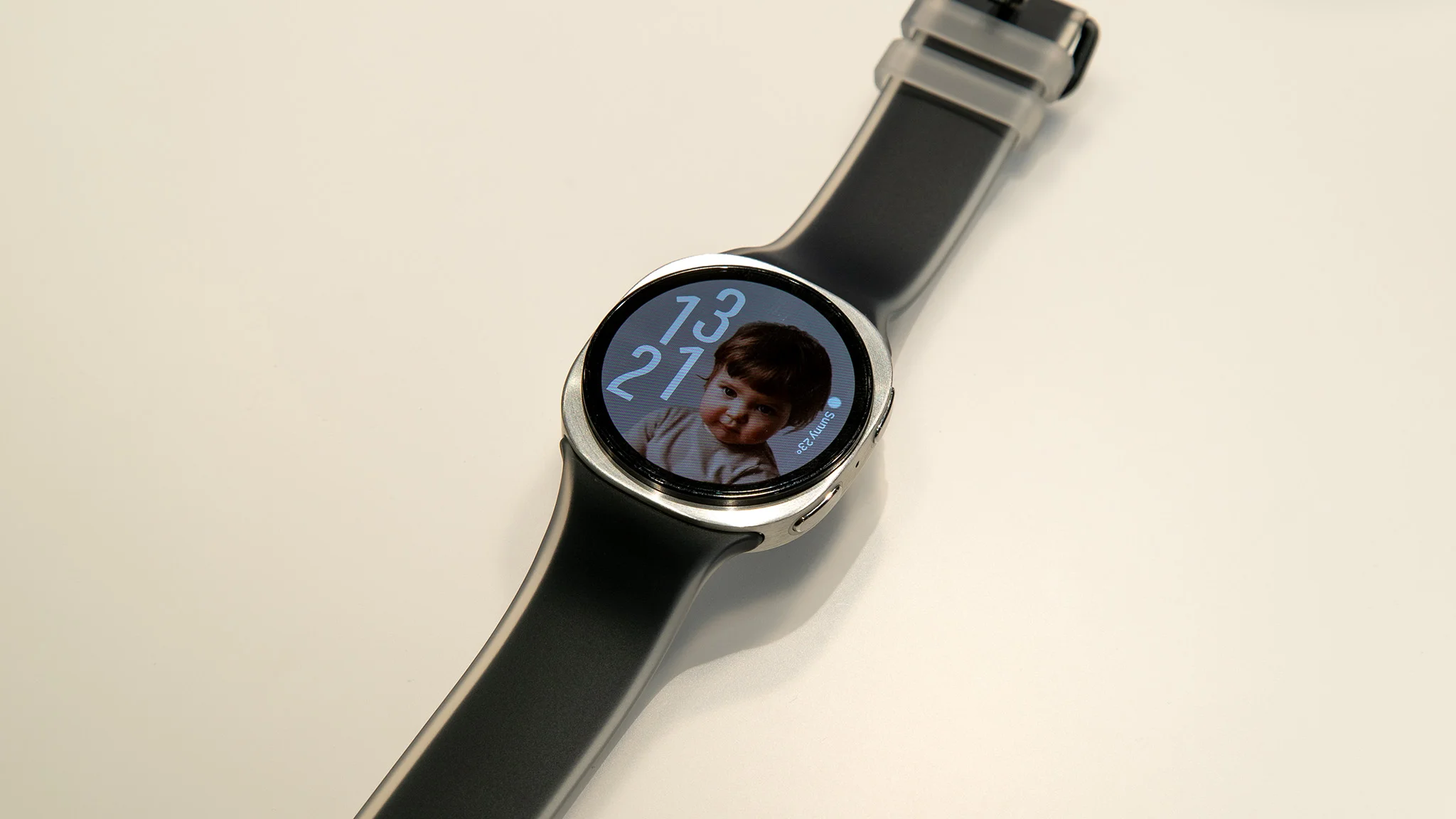
Looking ahead, consumers are eagerly anticipating a significant upgrade in battery life for the Galaxy Watch 10. Currently, users get about two days out of a full charge, which is becoming uninspiring in a market where competitors regularly exceed this benchmark. A push to stretch usage to three days would be more than welcomed; it would be necessary for maintaining relevance in a crowded smartwatch market.
Charging speeds also present a pain point for users, with the existing technology not meeting consumer expectations that have been set by devices outside of this ecosystem. Enhancements in both these areas could directly influence purchasing decisions. Beyond the power specifications, enhanced durability with an upgraded water resistance rating of 10ATM would cater to more active users who need a device that can stand up to the rigors of their lifestyle. Addressing long-standing user demands, such as bringing back a rotating bezel and expanding color options, could also rekindle interest among loyalists who feel neglected.
The integration of AI features is another frontier where Samsung can make strides. As smartwatches rapidly evolve, users expect to see more intuitive capabilities that enhance their daily lives. Substantial advancements have been observed in this year’s smartwatch models, and if Samsung capitalizes on this momentum, it stands to gain an edge that could attract a broader audience.
There's a palpable level of excitement around the Galaxy Watch 10 due to the perceived limitations of the Galaxy Watch 9. Enthusiasts are likely hoping for substantial announcements as the next evolution processes into the market. It’s difficult to predict how many of these desired features will make it to reality in the next model, but the pressure is on Samsung to deliver something more than an incremental upgrade.
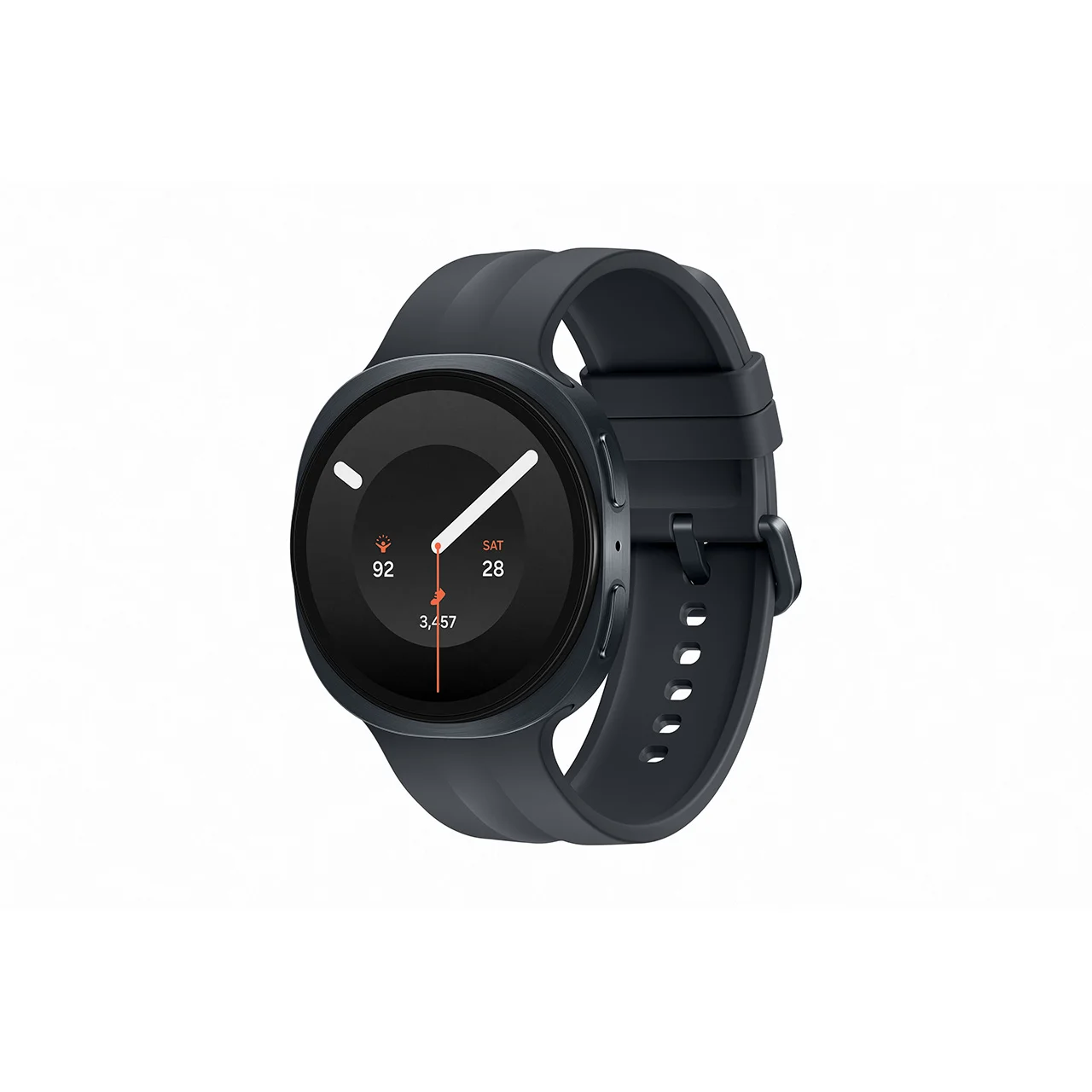
While the Galaxy Watch 9 may not introduce many changes, it remains the top choice for Samsung enthusiasts seeking a reliable smartwatch.
Implications for the Future of Smartwatches
The future trajectory of Samsung's smartwatch lineup is riddled with challenges and opportunities. Consumers are becoming increasingly discerning, thanks to the presence of competitors like Apple and Fitbit, which have made significant strides in health tracking features and user interface designs. This means Samsung won’t just be competing for market share; it’ll be striving to capture the hearts of an audience that demands both reliability and exciting advancements.
What this means for you, especially if you're analyzing market trends or making purchasing decisions, is that the upcoming Galaxy Watch 10 holds significant importance. Consumer feedback collected from the previous models will be critical to Samsung’s success. They've got to strike the right balance between new features and tangible value. If they fall short again, the brand risks losing its foothold to competitors who can offer users what they crave.
In summary: Samsung's path forward isn't just about hardware updates or pricing strategies. It's a delicate dance with consumer expectations and competitive pressures that will define the future of its smartwatch endeavors.