Introduction to the Foldable Phone Showdown
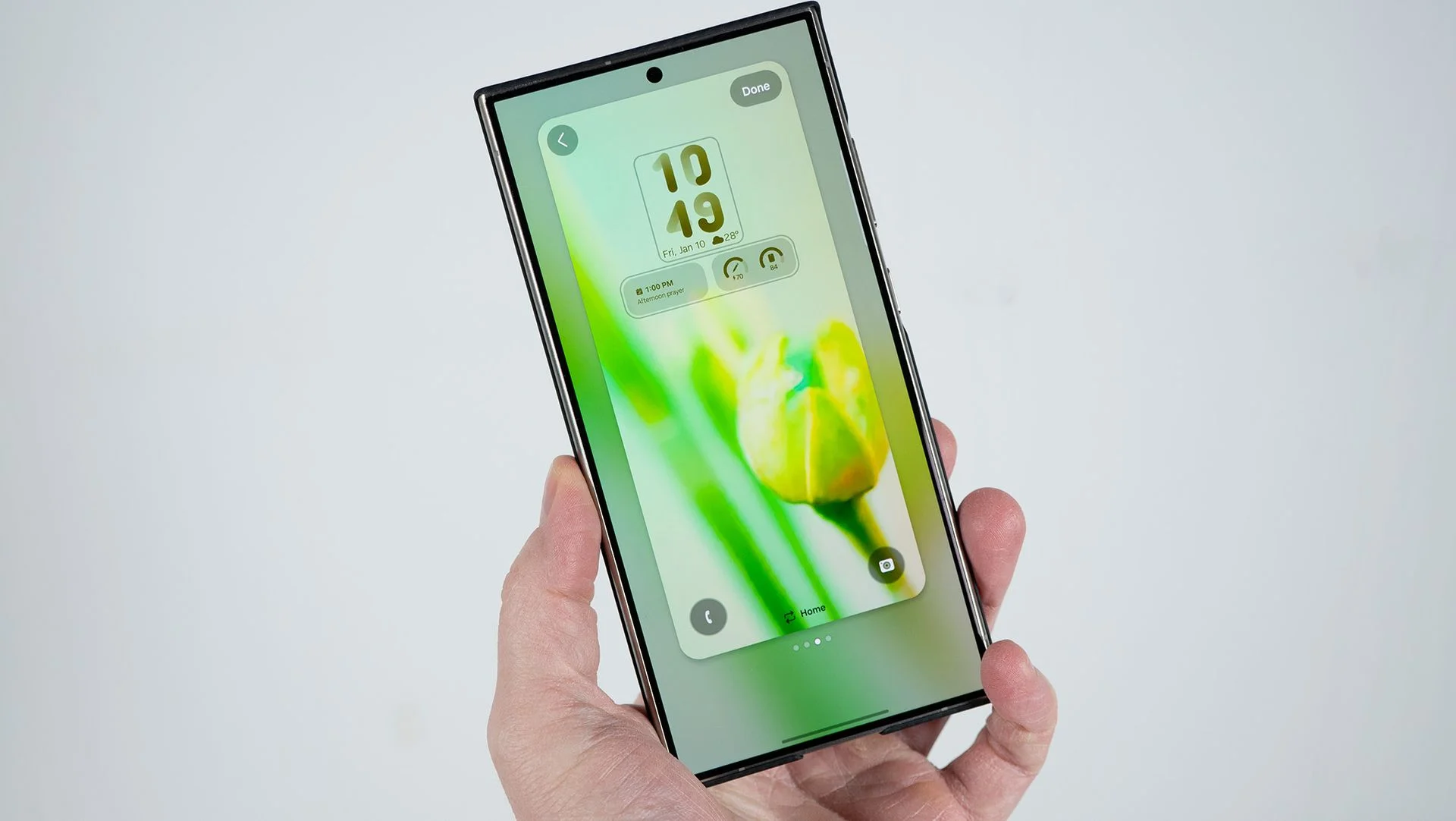
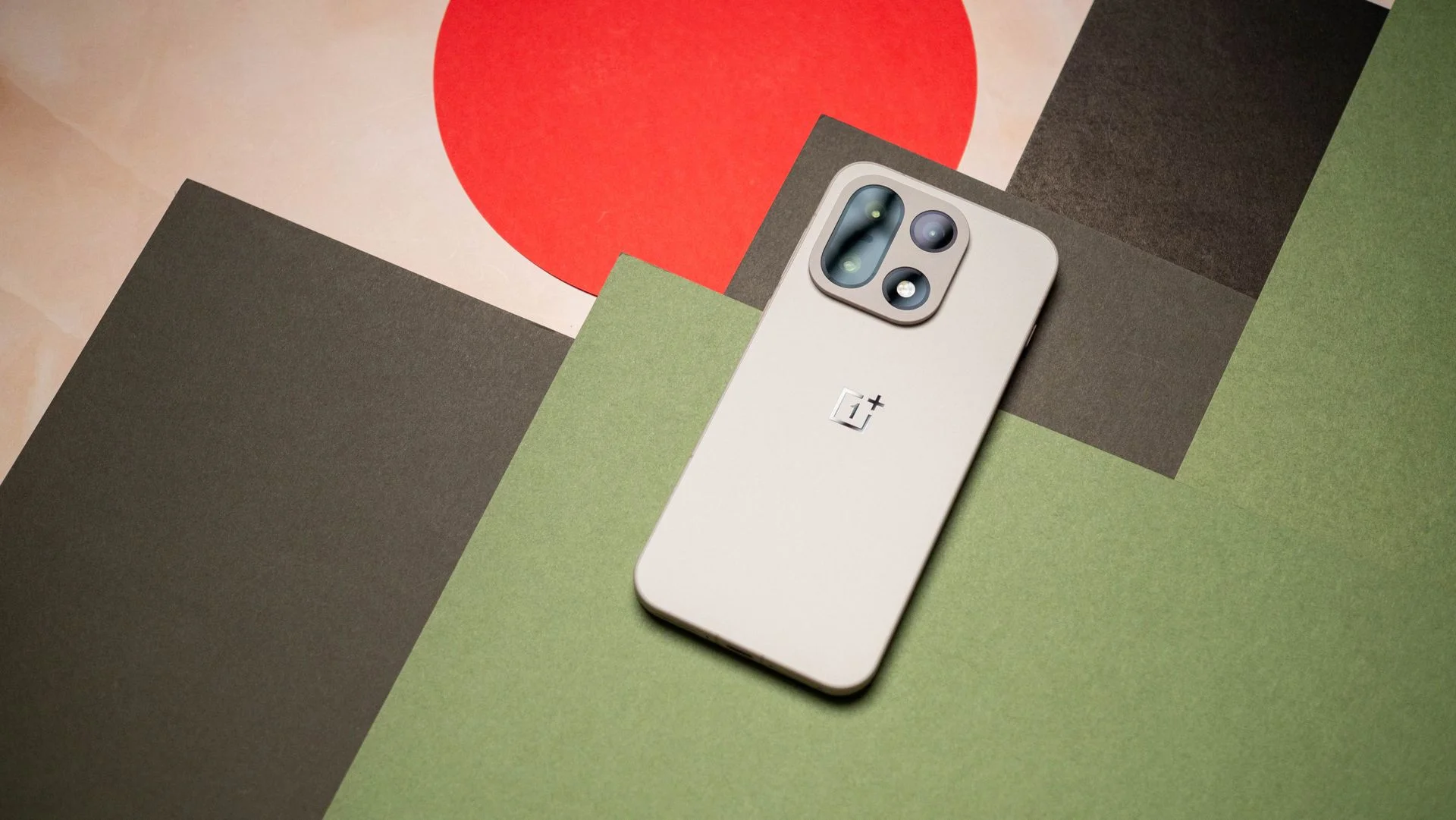
The foldable phone market is heating up, and two key players are stepping into the ring: Samsung and Motorola. With the unveiling of the **Samsung Galaxy Z Fold 8 Ultra** and the **Motorola Razr Fold**, consumers are left pondering which device reigns supreme in this innovative category. On the surface, these phones may look like their predecessors — but dive a little deeper and you'll discover notable upgrades that could sway potential buyers.
Samsung officially launched its Galaxy Z Fold 8 series during its Galaxy Unpacked event in London on July 22, 2026. This lineup includes the Galaxy Z Fold 8 and the highly anticipated Z Fold 8 Ultra, a successor to last year's popular model. The Z Fold 8 Ultra aims to refine the user experience further with enhanced specifications, while still bearing a striking resemblance to its earlier version.
But the competition isn't just from within. Motorola has made significant strides, introducing the Razr Fold, which offers a strikingly aggressive design and compelling specifications. The arrival of these two foldables isn't just a development in their respective branding; it signals a significant clash in the evolving landscape of premium devices.
So, what distinguishes the Samsung Galaxy Z Fold 8 Ultra from the Motorola Razr Fold? By unpacking their features, design, pricing, and overall capabilities, we can get a clearer picture of who might dominate this unique segment of the tech market. If you're in the market for one of these cutting-edge devices, let’s break it all down.
Key Specifications and Features
Starting with the **Galaxy Z Fold 8 Ultra**, Samsung has introduced a more powerful **Snapdragon 8 Elite Gen 5** processor, which promises improved performance and efficiency. Coupled with a substantial 5,000 mAh battery — the largest seen in Samsung's foldable offerings yet — the Z Fold 8 Ultra is built for longevity in usage. Moreover, its new camera system features an impressive 200MP primary sensor and an enhanced display design that minimizes the visibility of the fold crease.
Conversely, the **Motorola Razr Fold**, while priced lower at $1,899 compared to the Z Fold 8 Ultra's $2,099, comes packed with a larger **6,000mAh battery** and supports rapid 80W charging. Motorola has clearly targeted users who value battery life and charging speed, which is often a pain point for those seeking all-day performance from their foldables.
In terms of display technology, the Razr Fold dazzles with an **8.1-inch inner screen** supported by a 165Hz refresh rate, a notable find in this category. This focus on display specs could attract users who prioritize multimedia experiences on their devices.
Pricing Dynamics and Market Position
The pricing strategies for these two smartphones highlight meaningful differences in target audiences. The Razr Fold enters the scene with a **$200 cheaper** price point, challenging consumers to consider what they’re willing to compromise. With a single configuration boasting 16GB of RAM and 512GB of storage, it places emphasis on straightforward choice over confusion.
In contrast, Samsung's approach is more tiered. The Z Fold 8 Ultra starts with **256GB storage** but offers configurations that extend its appeal to users needing more capacity. This emphasis on providing options reflects Samsung’s longstanding strategy to cater to a wide range of consumer needs, even at a higher price.
This pricing gap could impact purchasing decisions. It raises questions about whether consumers will value Samsung's larger brand recognition and streamlined ecosystem over Motorola’s competitive specs at a lower entry price.
Conclusion: Preparing for the Foldable Face-off
As foldable devices become increasingly sophisticated, Samsung and Motorola are defining the future of this market space.
For enthusiasts and casual users alike, choosing between the **Galaxy Z Fold 8 Ultra** and the **Motorola Razr Fold** will involve weighing performance against battery life, display quality against pricing, and established brand loyalty against the promise of innovation. This head-to-head comparison not only illuminates the choices available today but also reflects the dynamic nature of consumer electronics in the context of foldable technology.
If you’re considering diving into the foldable experience, stay tuned as we continue to explore their specifications, performance benchmarks, and real-world usage to guide your decision-making process effectively.Samsung Galaxy Z Fold 8 Ultra vs. Motorola Razr Fold: A Compelling Comparison
When stacked against each other, the Samsung Galaxy Z Fold 8 Ultra and the Motorola Razr Fold highlight the divergent paths companies are taking in the foldable phone market. The Razr Fold, boasting a 32MP front-facing camera and a 20MP rear sensor, pushes for practicality with impressive video capabilities—up to 8K at 30fps and an energetic 4K at 60fps. Meanwhile, Samsung clings to its 200MP main sensor from the Z Fold 7, while giving a considerable upgrade to the ultra-wide lens, ramping it up to 50MP, even as the 10MP telephoto lens remains unchanged. It begs the question: Are these enhancements enough to justify the price differences?
The Razr Fold, priced at $1,899, represents Motorola's bold plunge into the book-style foldables. This device is not just a pretty face; it features a substantial 6,000mAh battery capable of 80W fast charging, making it a practical choice for power users on the go. Coupled with a large 8.1-inch display and a versatile triple camera system, it positions itself as a strong contender. It’s a noteworthy first effort for Motorola in this format, reflecting years of foldable design experience.
Samsung's Z Fold 8 Ultra, while not lacking in specifications, struggles with its pricing structure and perceived lack of innovation. Starting at a higher price than last year's model, it offers fewer RAM options in its base configuration and noticeably drops S Pen support despite its enhanced features. If you’re in the market for a foldable phone, these factors matter.
Looking forward, the landscape of foldable devices promises more excitement. We're gearing up to put both the Razr Fold and the Z Fold 8 Ultra through comprehensive testing soon. If you’re considering a purchase, stay tuned for our in-depth comparison. Ultimately, choices in this segment will come down to preferences in ergonomics, camera needs, and budget. The foldable future appears promising, but clear winners will emerge from informed choices rather than careless spending.