Samsung Galaxy Watch 9 and Ultra 2 Offer Extended Software Support and Performance Boost
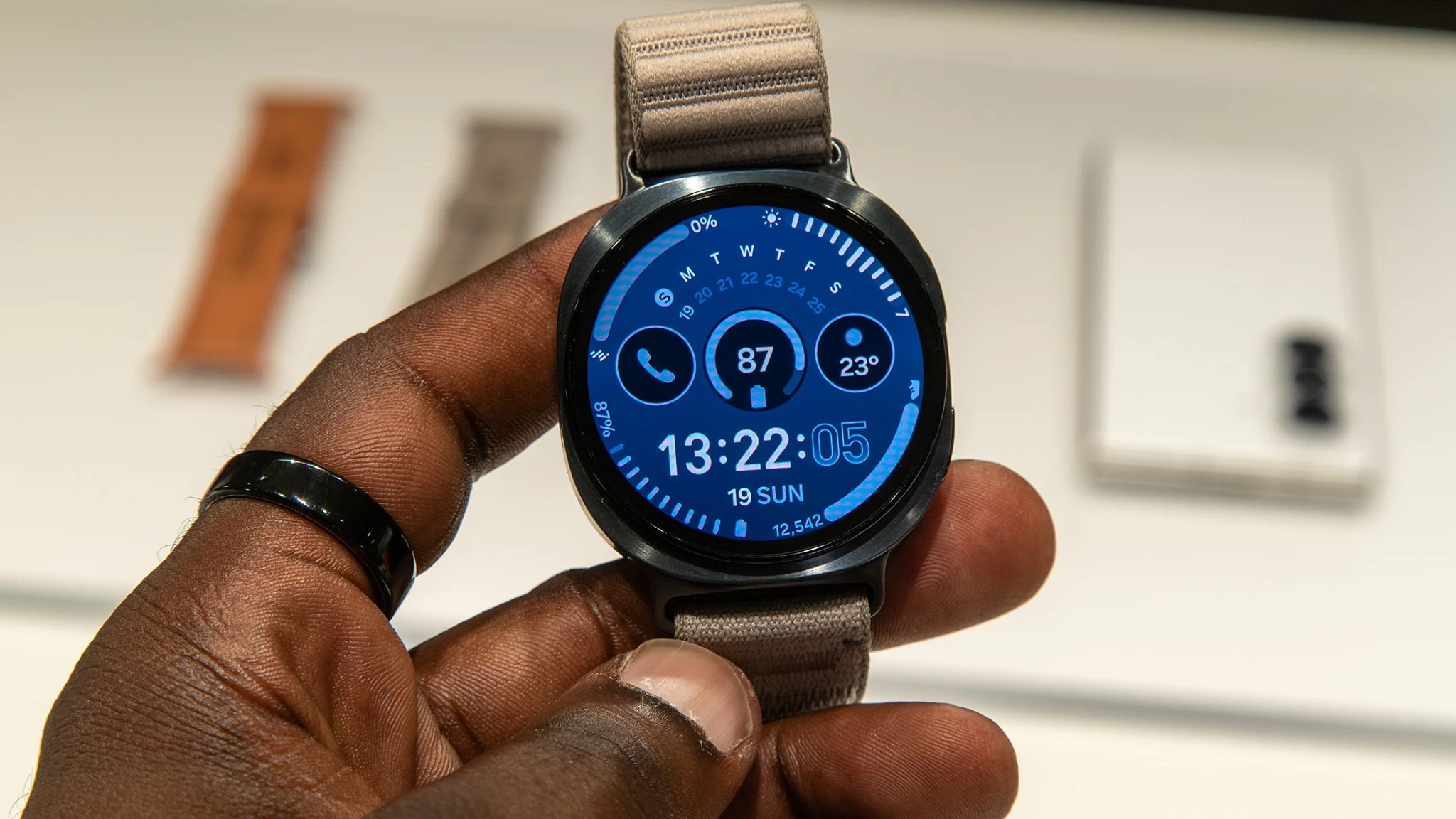
Samsung has given a noteworthy upgrade to its Galaxy Watch 9 and Galaxy Watch Ultra 2 by extending Wear OS software support to five years. This enhancement stands out especially given the new devices launch with Wear OS 7 and One UI 9, ensuring updates will continue into 2031.
Context Behind the Update Decision
In the competitive smartwatch arena, providing extended software support is increasingly becoming a vital selling point. Tech consumers are growing more discerning about the longevity of their devices, especially in several sectors where major tech firms have a reputation for short update lifecycles. As this trend continues, Samsung's move to offer five years of Wear OS support could serve as a strategic differentiator.
This decision follows a general industry trend where brands seek to enhance their hardware offerings with equally impressive software promises. It's not just about tech specs anymore; people's expectations for how long their devices will remain current and functional are markedly shifting. Samsung seems to recognize that commitment to software longevity can foster brand loyalty, and this is where they’re looking to outpace competitors.
Enhanced Features and User Experience
The announcement, made during the Galaxy Unpacked event in London on July 22 alongside the Galaxy Z Fold 8, placed some emphasis on the improved battery life across both smartwatch models. However, what went under the radar is the significant software support policy adjustment that Samsung has enacted. Previously, the company committed to four major Wear OS updates and five years of security updates for its Galaxy Watches. This kind of upgrade is critical; it highlights Samsung's shift toward prioritizing customer satisfaction and addresses concerns over planned obsolescence that some users feel with tech devices.
Battery life enhancement is another critical aspect of the new models that significantly complements the extended software support. A smartwatch that can keep the lights on longer makes for a better daily companion. The Galaxy Watch 9 and Galaxy Watch Ultra 2 are engineered with user habits in mind, and when you pair a longer software lifecycle with battery efficiency, you’re likely to enhance user experience meaningfully.
Setting a Standard for Software Support
In contrast, Google currently provides only three years of software updates with its Pixel Watch line. Samsung's decision reflects a broader push to elevate expectations for what consumers can anticipate in terms of software longevity. By increasing support to five major OS updates, Samsung is clearly positioning itself ahead in the smartwatch market when it comes to longevity. That’s more significant than it looks on the surface. The implications for brand perception could be monumental—it puts Samsung in a position to be seen not just as a tech leader but as a customer-first company.
What this means for you, the consumer, is that investing in a Samsung smartwatch is not just a decision based on current specs but a long-term investment in future functionality. This mindset could sway those on the fence about smartwatch investments toward Samsung’s offerings, leading to greater market share.
Hardware Advancements Driving Software Longevity
The Galaxy Watch 9 and Galaxy Watch Ultra 2 exemplify this commitment, with the new policy coming as a response to consumer demand for longer software lifecycles. The increased longevity of updates can largely be attributed to the new Snapdragon Wear Elite chipset, which is manufactured using a 3nm process. This new chip is expected to deliver performance improvements up to 32% over previous models.
Such advancements aren't just marketing buzzwords; they're instrumental in determining how long a smartwatch remains functional and relevant. The combination of enhanced processing power and better software updates means users will experience smoother transitions, better app performance, and an overall improved interface. And this is the part most people overlook—it’s not merely how long a model is supported but how well it performs during that support period.
Price Point and Market Positioning
For those in the market for a new smartwatch, these aspects make Samsung's latest offerings compelling choices. The Galaxy Watch 9 starts at $380 in the U.S., while the Galaxy Watch Ultra 2 is priced at $700, with both expected to hit the shelves on August 7. Pricing these devices competitively could influence consumer decisions significantly, especially when enmeshed in the broader context of what those prices deliver in terms of software support and hardware performance.
Samsung's price strategy seems tactically aligned with user expectations and competitor offerings. If you're working in this space, it's pivotal to track how this influences market dynamics. Will other manufacturers feel urged to reevaluate their software policies? It’s a developing narrative worth keeping an eye on.
Implications for Future Smartwatch Development
Samsung's decision to extend software support to five years indicates broader implications for the smartwatch industry. As brands compete for consumer loyalty, those that fail to offer similar commitments might find themselves on the losing end of market share. The trend toward longer support lifecycles could redefine how manufacturers approach their future smartwatch models.
This shift in policy not only accommodates current consumer desires but also signifies an evolving awareness within the tech industry regarding sustainability and effective resource use. Devices that last longer contribute positively to reducing electronic waste. If nothing else, Samsung’s strategy could prove to be a template for its competitors, influencing future product designs and support commitments across the board.