Samsung Reports Q2 Loss Despite Galaxy S26 Success, Eyes Future with Tab S12 and Smart Glasses
Samsung’s latest earnings report paints a complex picture for Q2 2026. The tech giant recorded a consolidated revenue of KRW 171.5 trillion, reflecting a notable 28% quarter-over-quarter increase. However, the mobile division, known as MX (mobile experience), reported a revenue decline, marking a stark contrast to the company’s overall success.
Driving Forces Behind Revenue Growth
The strong performance was largely driven by Samsung's DS (device solutions) division, particularly its Memory Business, which achieved all-time high figures with KRW 127.5 trillion in revenue, a 56% increase from the previous quarter. The company attributes this success to heightened demand from AI applications and its strategic focus on server products. This demand for memory solutions is tied to a growing trend where businesses are increasingly investing in infrastructure that supports artificial intelligence developments. As more companies pivot towards AI, suppliers like Samsung are poised to benefit in the medium to long term.
However, this influx of capital into the memory sector doesn't insulate the business from the broader tech economy's challenges. Analysts will be watching closely to see how sustainable this demand is. If the AI infrastructure continues to expand, similar systems typically see steady growth, yet technology markets can be unpredictable, fluctuating based on economic conditions and shifts in consumer behavior. As such, while this quarter's numbers are promising, there's a lingering uncertainty regarding how well this trend will persist.
The Struggles of the Mobile Division
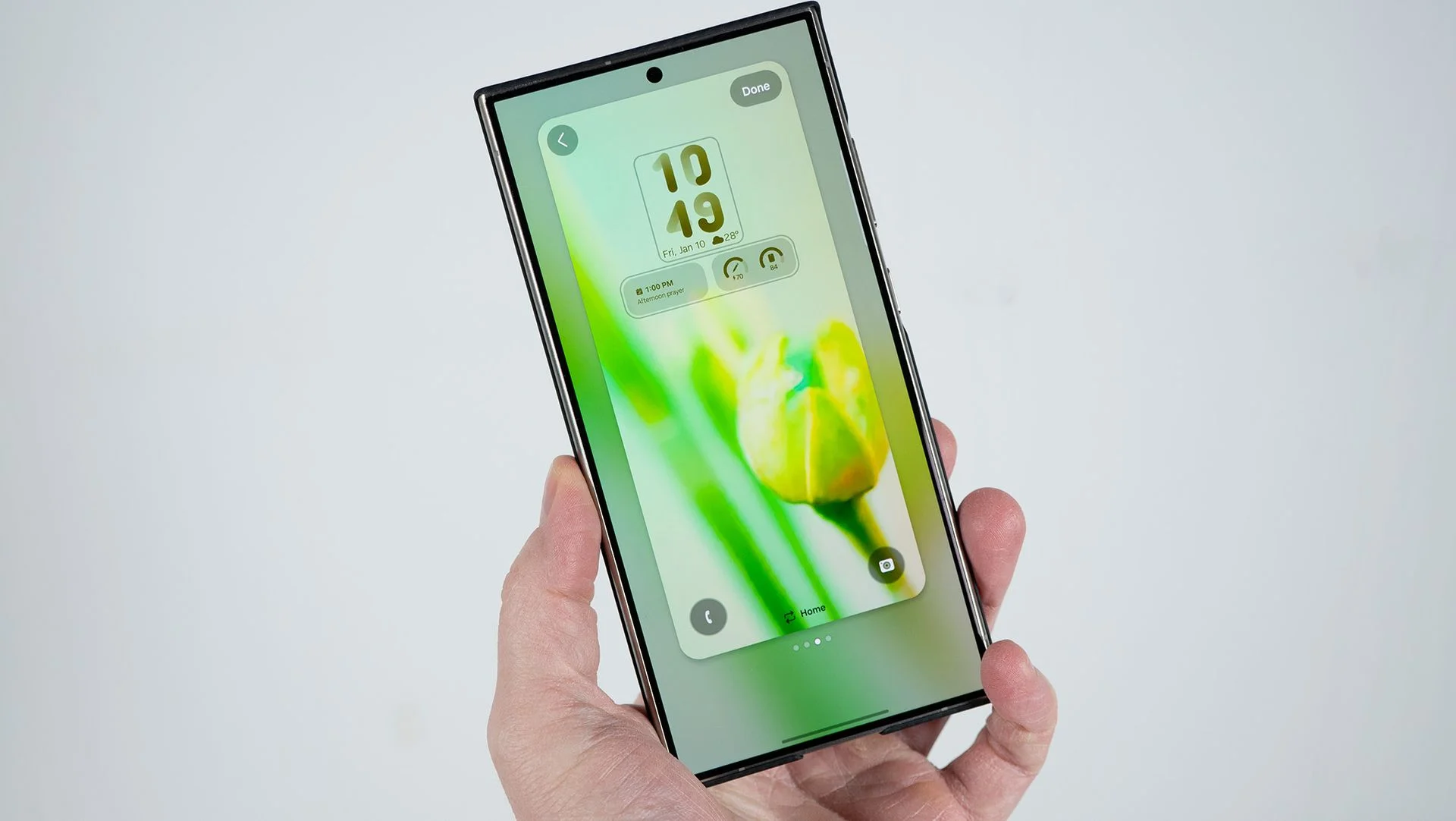
In the mobile sector, Samsung reported KRW 33.2 trillion in revenue this quarter. Despite year-over-year gains, the division's operating profits suffered due to rising costs, particularly in components driven by memory shortages affecting the entire industry. While the Galaxy S26 series and sales of the A-series phones provided some relief, the harsh economic realities are evident.
This is more significant than it looks. The mobile market is notoriously competitive, with brands continuously vying for consumer attention. The pressure stemming from increased component costs is further exacerbated by numerous players in the space who can rapidly pivot their strategies to capture market share. If you’re working in this space, you know that even minor changes in pricing or availability can ripple through the entire segment, making it hard to maintain profitability.
And then there's the ongoing challenge posed by supply chains. Given the global semiconductor shortages that have strained production capabilities, Samsung's mobile division might struggle to keep up with high demand without incurring further losses. The Galaxy S26 series was a bright spot, yet reliance on one product line carries risks, especially in a volatile market.
Looking Ahead: New Product Launches
During the earnings call, Samsung hinted at future product launches that are anticipated to stimulate growth. The Galaxy S26 series is expected to maintain its momentum through the release of the Galaxy S26 FE, targeting mobile customers looking for a compelling upgrade. However, the real intrigue lies in other offerings planned for this year.
Samsung also plans to launch its premium Galaxy Tab S12 series, which could play a pivotal role in enticing users in the tablet space. Tablets have become increasingly popular as productivity tools, especially as mixed work environments force users to seek versatility in devices. Here’s the thing: while Samsung focuses on tablets and smartphones, the diversity of upcoming products could buffer the company against downturns in any single product category.
(And this is the part most people overlook) Samsung is also pursuing the Intelligent Eyewear market, aiming to introduce a new form factor geared towards the needs of the AI era. Here lies an opportunity that could redefine user interaction with technology, although the balance between novelty and practicality will be key to its success. A release date hasn't been confirmed yet, reflecting a cautious approach from Samsung amid uncertain consumer responses.
The 2026 Market Context
Samsung’s Q2 performance aligns with broader industry trends in 2026. Recent analysis from Omdia revealed a 3% year-over-year decline in the U.S. smartphone market, with rising memory and storage costs playing a significant role. Samsung faced a 5% reduction in smartphone shipments during the first quarter, which prompts questions about product saturation and the effectiveness of promotional strategies. Though this was partially offset by the Galaxy S26 series's effective targeting of existing customers, there still seems to be a growing disconnect between supply capabilities and market demand.
Even with impressive pre-order numbers for the Galaxy S26, analysts predict the company's profits in this sector will continue to face pressures throughout the year. The memory crisis plaguing the industry isn't just a Samsung issue; Q2 data indicated a 4% global decline in smartphone sales. Yet, resilient demand for the Galaxy S26 series allowed Samsung to achieve a marginal 2% revenue increase, showing that certain product lines can still drive sales amidst challenges.
Insights and Industry Implications
The current state of the tech market reveals a dual narrative: while some companies are optimistic about recovery, others are grappling with rising costs and decreasing margins. Persistent inflation in memory pricing underscores the industry's instability, potentially leading to further consumer impacts. As manufacturers scramble to adapt, the overarching question remains—how long can brands continue to push through these financial constraints before they significantly affect consumer decisions?
For Samsung, the focus now shifts to upcoming product launches and whether they can ease the adverse effects noted in financial reports. The next few quarters will be telling for the company as it navigates an increasingly complex tech ecosystem. The anticipation around new technologies and product lines suggests a cautious optimism, yet the proof will be in how swiftly and effectively these offerings resonate with the market. Will they capture attention and spending, or will they fall flat in the face of evolving consumer expectations?
Future Outlook
Samsung’s strategy in the coming months will be critical. It needs to maintain momentum in its Memory Business while reinvigorating its mobile division. The potential introduction of premium products like the Galaxy S26 FE and Galaxy Tab S12 could well pave the way for a rebound, but only if they resonate with consumers who are increasingly discerning in their purchases.
What this means for you, whether you're a tech enthusiast or a professional in the industry, is that Samsung's approach will likely set the tone for competitors. They’ll need to learn from Samsung's strategies and react accordingly, as the technology sector continues to evolve amid both challenges and fresh opportunities.