New Pixel Diagnostic Tools in Android 17 Boost Connectivity Troubleshooting
Enhanced Diagnostic Features Coming to Pixel Phones
Google is preparing to enhance connectivity troubleshooting for Pixel phone users with new tools integrated into Android 17. These features are housed under the Device Health & Support section and aim to identify and resolve issues related to calls, Wi-Fi, and mobile data—areas that have frequently plagued users. As mobile devices become indispensable, the ability to effectively and efficiently diagnose connectivity issues becomes a “must-have” for smartphone manufacturers.
Current Diagnostic Capabilities
For some time now, Pixel devices have included diagnostic tools that address battery health, Bluetooth, and touchscreen issues. These tools have provided users with insights that were once reserved for more premium devices. The addition of connectivity diagnostics marks a pivotal expansion in their troubleshooting capabilities. Users often encounter connectivity problems that can hinder their day-to-day activities, making it vital for devices to not just report issues, but also give actionable guidance on how to fix them. You can imagine the user frustration when a critical call drops or Wi-Fi simply won’t connect, requiring them to conduct tedious manual troubleshooting.
New Developments in Android 17 QPR3 Beta 1
As discovered in the recently released Android 17 QPR3 Beta 1, along with an updated Google Play Services beta, these diagnostic tools will soon empower users to tackle connectivity challenges with greater ease. They'll appear prominently in the Device Health & Support menu, ensuring that these features are not buried in submenus that most users would overlook. This user-centric approach is crucial; it reflects an understanding of everyday user frustrations and aims to alleviate them. By putting this functionality front and center, Google is sending a message that they are attentive to the pains of their customers.
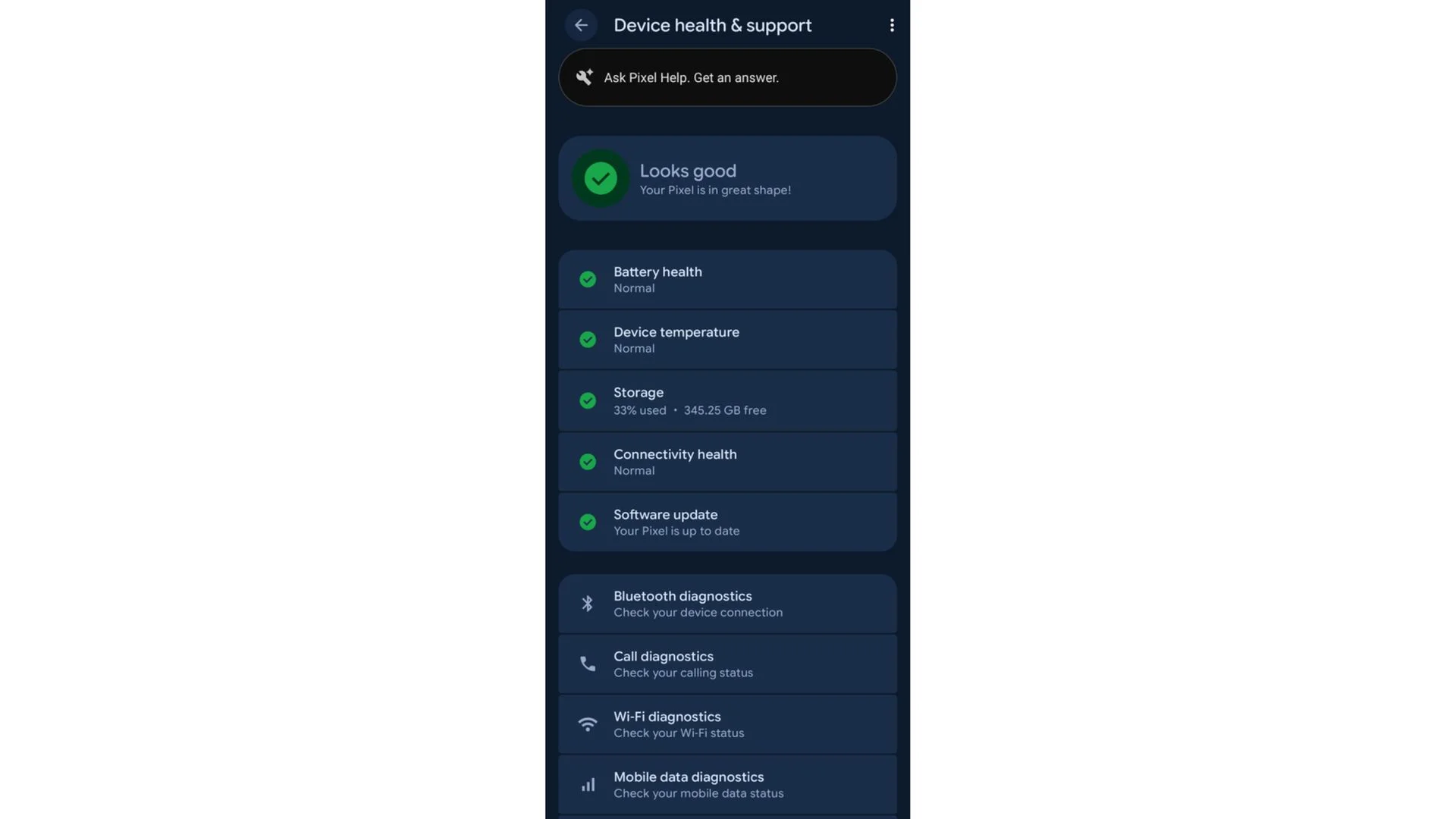
Streamlined Troubleshooting Experience
With these new tools, users grappling with Wi-Fi connectivity issues or dropped calls will have access to an automated troubleshooting process that can either resolve the problems directly or provide clear, step-by-step guidance. This is more significant than it looks; it means that users won’t have to dig through settings and menus, often feeling lost and frustrated. A more intuitive setup can drastically reduce the time spent on repairs, making technology feel less daunting. Users deserve this kind of ease, especially given how reliant we are on our devices for both personal and professional communication. (And this is the part most people overlook: effective diagnostics can enhance device longevity and user satisfaction.)
Future Rollout Expectations
As of now, these features are still in beta testing and aren’t yet available to the general public. However, their presence in the Android 17 QPR3 Beta 1 suggests a likely rollout alongside the stable release of Android 17 QPR3 in the coming year. This aligns with Google's typical practices, where they roll out significant features first to beta testers before wider distribution. Given the numerous connectivity complaints from Pixel owners over the years, these diagnostic enhancements could be an invaluable asset for improving the overall user experience. The stakes are pretty high: a smooth integration of these features could transform Pixel’s reputation from being a solid alternative to the mainstream big players into a favored choice for users seeking dependable devices.
Implications and Future Outlook
The introduction of enhanced diagnostic tools in Pixel phones could have far-reaching implications for both Google and its users. For Google, this is a chance to showcase that they can provide not just hardware, but a reliable software experience that thinks ahead of user needs. It might also influence other smartphone manufacturers to reconsider the importance of user-friendly diagnostic tools. If your device is constantly hampered by connectivity issues, it affects not only usability but could lead to customer churn. What this means for you is that if you're working in this space, attention to detail in diagnostics could become a pivotal selling point.
Long term, this feature could help in collecting anonymized data on connectivity problems, enabling Google to make more informed decisions about software updates or hardware changes that could address these issues before they affect users. Tech is moving toward a place where user experience can dictate market success, and those who ignore this paradigm might find themselves falling behind.