Strava and Gemini Turn Workout Data Into Personalized Training Insights
Strava’s Gemini integration gives subscribers a new way to question their training history: ask a specific question, and Gemini can use logged activity data to shape its response. The practical shift is from browsing workout records to comparing trends across sessions. That sounds modest, but it changes the work a user has to do: instead of opening activities one by one and looking for a pattern, they can ask the system to make a comparison for them. The result is a more conversational way to inspect data many athletes already collect, with the quality of the answer tied to the quality and coverage of that record.
Ask questions across your training history
Strava says its Connected Apps experience is beginning to roll out in the United States this week and works with all Gemini plans. After linking an account, subscribers can ask whether they’re getting faster at the same heart rate. Gemini can compare heart rate and speed across training volume, consistency and sport type, or break down race performance mile by mile. Those examples point to a useful distinction: a single workout offers a snapshot, while comparisons across sessions can show whether a change is part of a pattern.
That broader view still depends on what the user has recorded. If heart rate data is missing from some activities, or a runner has changed routes and conditions, the comparisons may be less informative. The assistant can organize information in a way that’s easier to ask about, but it can’t make incomplete records complete. For athletes who track several sports, comparing activity types may also help separate a change in one kind of training from a shift in total workload.
The integration can also help put a tough session in context. Users can ask whether weather may explain feeling sluggish, or whether their body might be the more likely factor. That kind of comparison could make a long activity log more useful, though the answers depend on the information recorded in Strava. A question about weather is only as helpful as the relevant conditions and activity details available to the system; a question about how someone feels introduces an even less tidy measure, because subjective effort doesn’t always map neatly to pace or heart rate.
Here’s the thing: a plausible explanation isn’t the same as a diagnosis. Gemini may help a user notice that one difficult run followed a different pattern from other sessions, but the user still has to judge whether the comparison fits what happened. The conversational format lowers the effort needed to explore a training history. It doesn’t remove the need for care when interpreting the answer.
To connect an account, go to Personal Intelligence in Gemini > Strava (in Connected Apps) > Sign In.
A broader push into training analysis
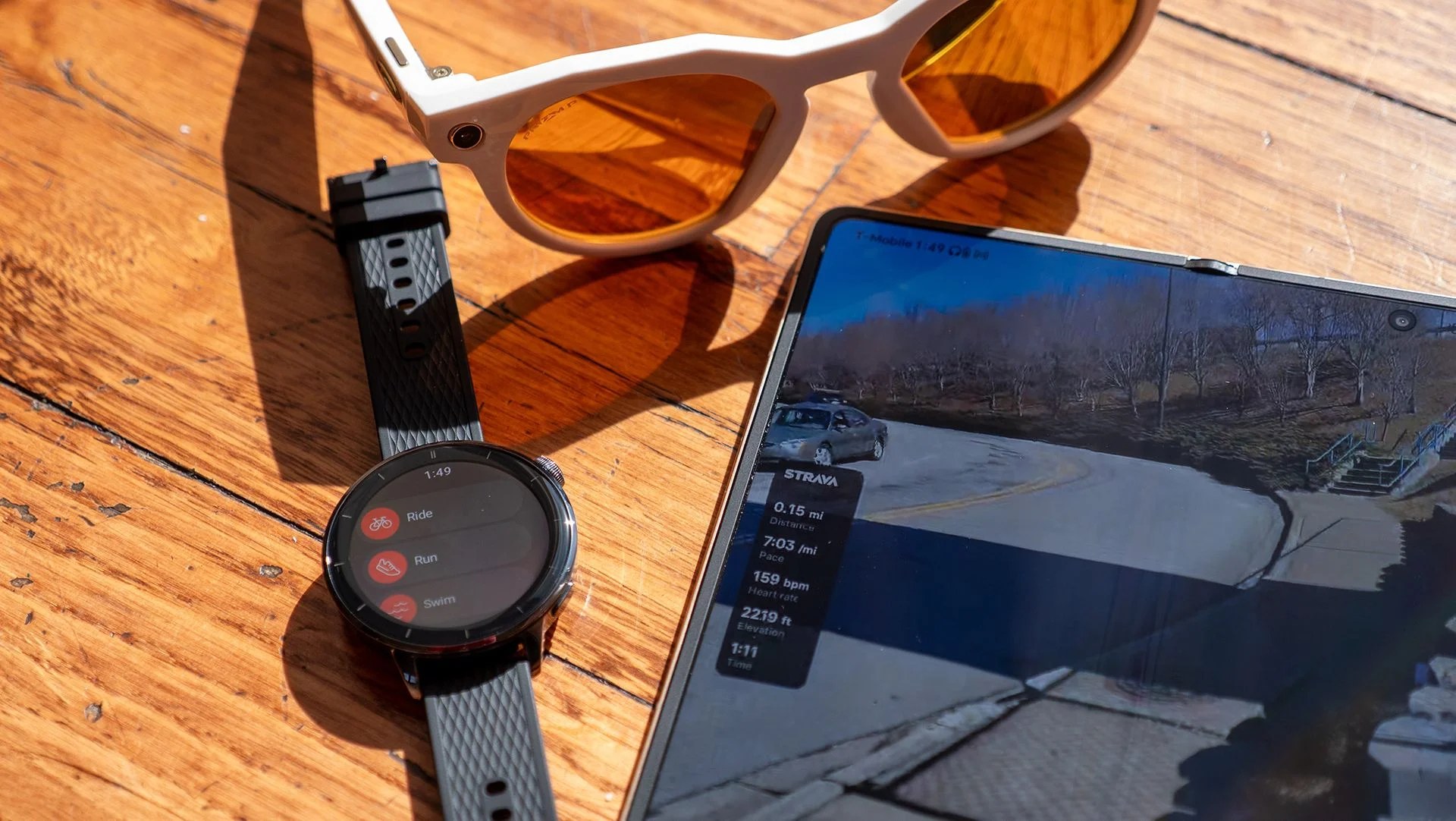
Strava has been building its own AI training features alongside this Gemini connection. Its Athlete Intelligence feature, introduced about a year and a half ago, interprets activity data and can account for workouts without GPS, including treadmill runs and power based cycling sessions. It can also compare pace or speed with previous efforts on the same route. That matters because many training tools lean heavily on location data, while indoor sessions and cycling power records can describe effort in different ways.
Early testing found some errors, while many of the feature’s observations were on target. That mixed result is a useful reminder of the limits of automated coaching: a system can surface patterns quickly, but a confident sounding summary can still miss context or get a detail wrong. Strava later added AI Performance Predictions for subscribers, estimating finish times for the 5K, 10K, half marathon and marathon. Those predictions need a history of roughly 20 recorded activities before they can start.
The Gemini link adds a conversational layer to that growing set of tools. It gives subscribers another route into their history, one that starts with a question rather than a chart or a predefined summary. That may make analysis more approachable for someone who doesn’t know which metric to inspect first. And yet, convenience can also encourage people to treat an answer as more authoritative than its underlying data warrants.
This is more significant than it looks for the everyday use of fitness platforms. Activity services have long stored detailed records, but storage alone doesn’t guarantee that people can make sense of them. A question and answer interface could help users connect separate sessions without learning every chart or setting. The tradeoff is that the explanation may smooth over uncertainty: “getting faster” can mean different things depending on route, effort, weather and training conditions.
What the integration means for athletes
If you’re working toward a race or trying to build consistency, the most useful questions are likely to be narrow enough to check against real sessions. Asking about speed at a similar heart rate, or comparing efforts on the same route, gives the system a clearer basis than asking whether you’re simply “getting fitter.” Even then, trends are more useful when the activities being compared are genuinely comparable. A faster pace can reflect improved fitness, but the surrounding circumstances matter.
(and this is the part most people overlook) The data itself reflects choices: which activities were logged, which sensors were used, and how regularly someone trained with them. Two athletes can ask the same question and get answers with very different foundations. The tool’s value will depend partly on whether it can make those limitations clear, rather than turning sparse or inconsistent records into a tidy narrative.
For now, the integration’s promise is straightforward: let subscribers explore their own training history through ordinary questions. The test will be whether those answers help people understand their habits and make better informed choices about upcoming sessions. Useful prompts. Better context. The integration can lower the friction of analysis, but its credibility will rest on careful comparisons and honest handling of gaps in the data.