Amazon’s 2026 Echo Devices Add Smart Home Controls, Sleep Sensing and a Photo Frame
Amazon broadens what Echo devices can do at home
Amazon’s 2026 Echo lineup pushes beyond voice control, adding a built-in smart home hub, sleep-aware alarms and a camera-equipped speaker. The company announced four Echo devices and a standalone Alexa Photo Frame on Oct. 29, with prices starting at $99. That mix suggests Amazon wants Echo products to serve as several kinds of household interface, not just speakers that answer questions or play music. The pitch is broader, but it also asks buyers to weigh features that range from everyday convenience to more personal uses, such as sensing sleep or placing a camera in a shared room.
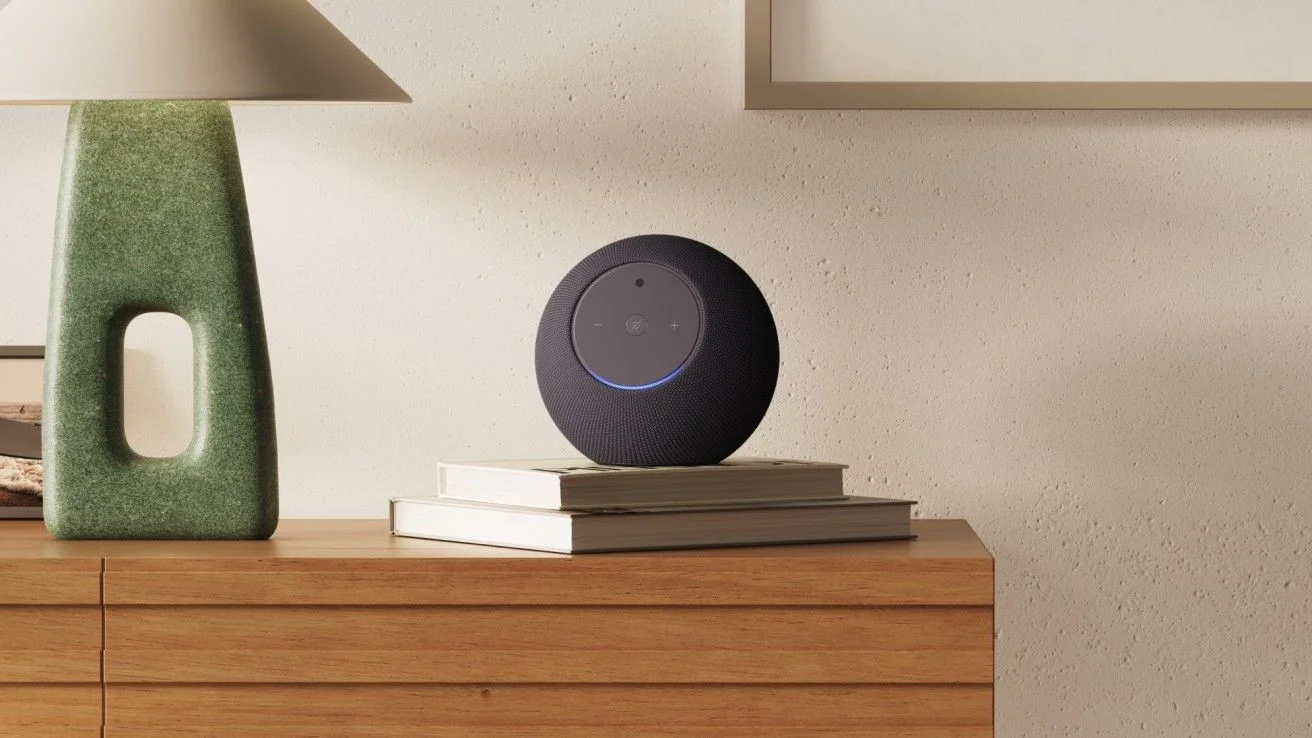
The Echo Dot gets the biggest functional change: a built-in hub that connects Alexa to thousands of compatible smart home devices, including lights and locks. That could reduce the number of separate components a household needs to get connected devices working with Alexa, though compatibility still matters; the announcement doesn’t identify which devices or functions will work best. Amazon also added an AI Accelerator, which it says helps Alexa respond quickly. That claim points to a familiar expectation for voice assistants: answers need to arrive fast enough to feel useful in the middle of another task.
For audio, the company claims the new Dot delivers 50% more bass and clearer vocals. Those are product claims, not an independent assessment of how the speaker sounds in a room, where placement and background noise can affect the experience. The Dot costs $99; a Kids version starts at $109 and includes a year of Amazon Plus. The extra cost buys a package aimed at children, so families will want to consider whether its included service fits how they already use Amazon’s products.
A camera joins the Echo Studio
The 2026 Echo Studio keeps a design similar to its 2025 predecessor, but adds a Home Camera. Amazon says the camera helps Alexa better understand what’s happening around the house, and lets owners check in through the device. That links the speaker’s role as an audio product to a more observational one: the device can provide sound, while the camera adds a way to see into the space around it. Whether that combination feels useful will depend on where owners place the Studio and how comfortable household members are with a camera there.
The speaker also includes a high-excursion woofer and Dolby Atmos with Advanced Room Adaptation. These features indicate that Amazon is still selling the Studio on sound, even as the camera broadens its purpose. The Echo Studio with Home Camera starts at $249 and began shipping Oct. 29. Fire TV support is expected to add video calling in a future update, which would give the camera another use, though the announcement doesn’t say when that update will arrive or describe its limits.
Sleep sensing and a larger household display
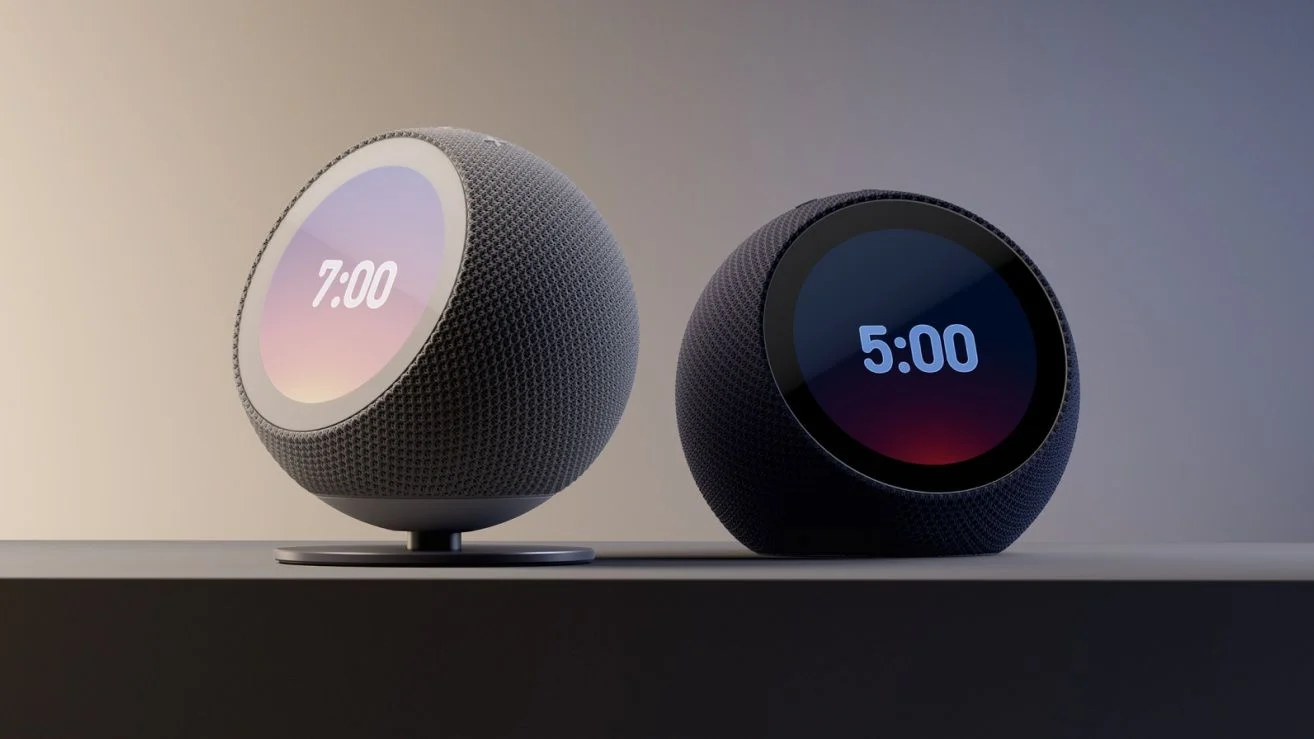
Echo Time adds Omnisense, Amazon’s sleep-sensing technology. It can detect lighter sleep and wake users between 10 and 60 minutes before their scheduled alarm, according to the company. The feature changes the clock from a passive timer into a device that attempts to respond to a person’s sleep state. Amazon’s description doesn’t establish how consistently it can identify lighter sleep, so buyers should treat the wake window as a feature to try rather than a guaranteed improvement to their mornings.
Its customizable digital clock face offers analog and modern styles. That flexibility is straightforward, but the more consequential question is whether users want sleep sensing built into a bedside device and whether the alarm behavior suits their routines. Echo Time starts at $199, while the Kids model starts at $209 with a year of Kids Plus. For parents, that package may make the children’s version easier to assess, but the core sleep feature is the more distinctive change in the lineup.
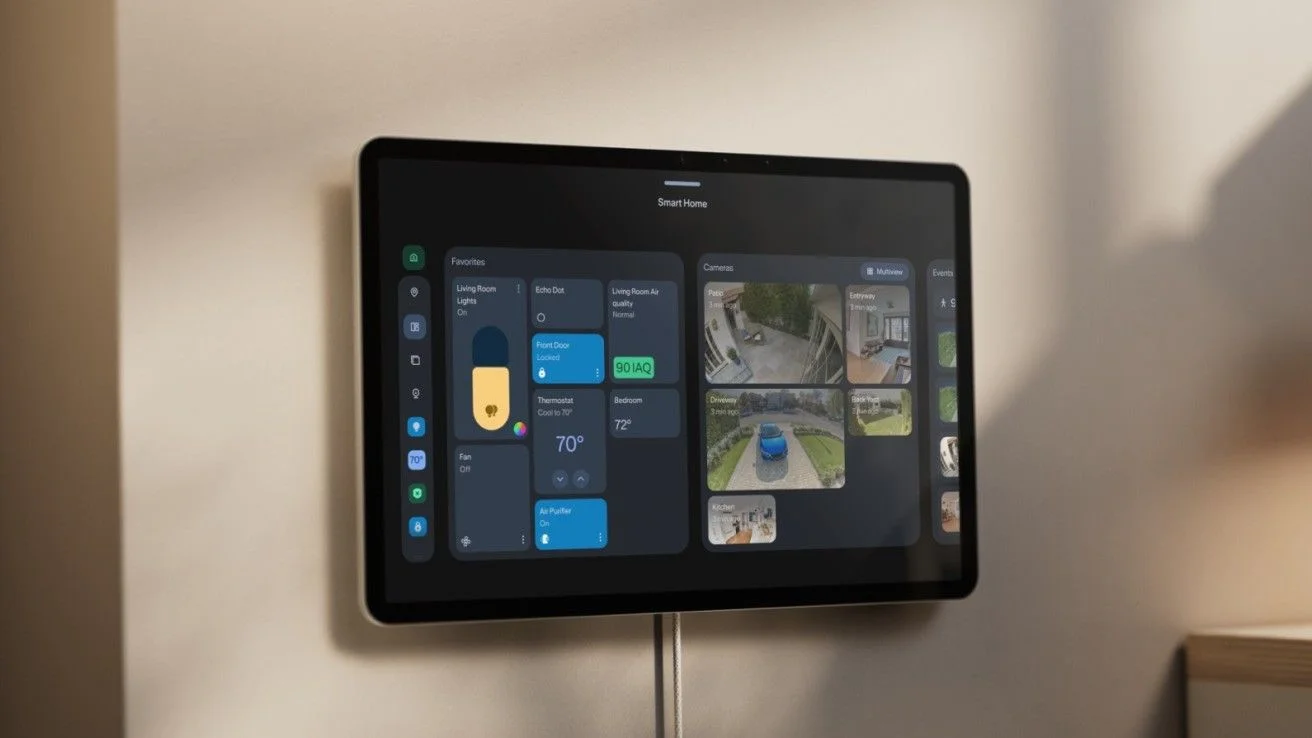
Amazon describes the Echo Show 16 as its most powerful model. The 16-inch HD display is about 40% thinner than the previous version, and a Nanomatte option is designed to cut glare from sunlight. Screen Styles can turn the display into a family or meal planner, while the device can also show family photos. Those uses make the Show 16 less like a screen reserved for video and more like a shared surface that household members might consult throughout the day.
The Show 16 adds an Alexa Home Map to its smart home dashboard, showing where connected devices are located in the house. A map could make a growing collection of smart devices easier to navigate, especially for people who don’t remember each device’s name or room assignment. Fire TV is built in, and the camera has a wider field of view and auto-framing for pictures. Pre-orders start at $499.99, or $599 for the Nanomatte model. Amazon says current pre-orders may qualify for $100 off, so the final price will depend on eligibility for that offer.
A dedicated frame for Amazon Photos

The 10-inch Alexa Photo Frame syncs automatically with an Amazon Photos account, bringing new pictures onto the display as they’re taken. Alexa can select photos where people are smiling and skip screenshots and other content, Amazon says. That selection feature addresses a practical weakness of an always-on photo display: a camera roll can contain plenty of images that don’t belong on a living-room screen. And this is the part most people overlook: automatic selection also means the software helps decide which personal images appear in the home.
The black model costs $199.99; Birch and Walnut wood finishes start at $229. The frame’s value will depend on whether a household already keeps photos in Amazon Photos and wants a dedicated display for them. If you’re working in this space, the product is a reminder that a familiar household object can also pull users toward a company’s photo service. A frame that fits the room. That may be enough for some buyers, but it leaves the service connection central to the experience.
What the lineup signals for the home
The lineup’s range is telling: Amazon is treating Echo as a set of household interfaces, from controlling connected devices to tracking sleep and displaying family photos. The products now ask Alexa to fit into more parts of daily life, and each device gives the assistant a different physical role: hub, alarm, camera, display or frame. This is more significant than it looks, because the usefulness of a household assistant often depends less on any single feature than on whether people keep using it after the novelty fades.
That said, the announcement leaves important practical questions unanswered. Amazon describes the features and prices, but doesn’t establish how well they’ll perform across different homes or how smoothly households will adopt them. Smart home compatibility, the usefulness of sleep sensing, and the judgment behind photo selection all matter more in regular use than they do in a launch description. The company is asking customers to trust software with more context about their homes and routines; that’s a meaningful shift in what an Echo device is expected to do.
For buyers, the clearest way to assess the range is to start with the task they actually want to solve. A Dot’s built-in hub may be useful if compatible devices are already part of the home, while the Show 16 concentrates several display and entertainment functions in one product. The Studio’s camera and Echo Time’s sleep sensing make more specific promises, and the Photo Frame is closely tied to Amazon Photos. The practical appeal will depend on how well those features fit into daily routines. That’s the test Amazon’s broader Echo pitch will face once the devices move from announcement pages into homes.