Samsung Android XR Glasses Preorders Set for November 12 Through Warby Parker
Samsung’s Android XR glasses now have a clearer path to customers: Warby Parker plans to open preorders on November 12, with deliveries expected during the holiday season. The timing lends weight to recent reports that the glasses are headed for a December debut, though a preorder date and an expected delivery window don’t establish exactly when the product will reach buyers. They do give the launch a more concrete shape than earlier speculation about a November arrival.
A November preorder window
Warby Parker disclosed the date during its November 5 Q3 earnings call. The company described the launch as its “first collection” and said it expects to fulfill customer orders over the holidays. CEO Dave Gilboa and co-founder and co-CEO Neil Blumenthal both used the same “first collection” wording, leaving room for future designs, though neither outlined what might come next. The phrasing sounds deliberate: it presents the glasses as the start of a product line, while stopping short of promising a regular release schedule or a wider range of frames.
The preorder announcement follows a report that Samsung was targeting a mid-December release. Earlier speculation had pointed to November, so the new schedule suggests the launch has shifted later. That distinction matters for shoppers trying to judge whether they’ll have the glasses in hand during the holidays: Warby Parker has described the delivery period broadly, rather than naming a specific date. A preorder opening is a meaningful milestone, but it leaves questions about availability and fulfillment unanswered.
Samsung may initially sell the glasses in the U.S. and South Korea, according to reports, with the limited release potentially giving the company a read on customer response. A narrower debut can help a company learn how people react to a new category before making it more widely available. It can also mean that early interest and actual access are different things. For now, the reported markets indicate where the first test may happen, not how quickly the glasses could reach other buyers.
Frames built to work with Galaxy phones
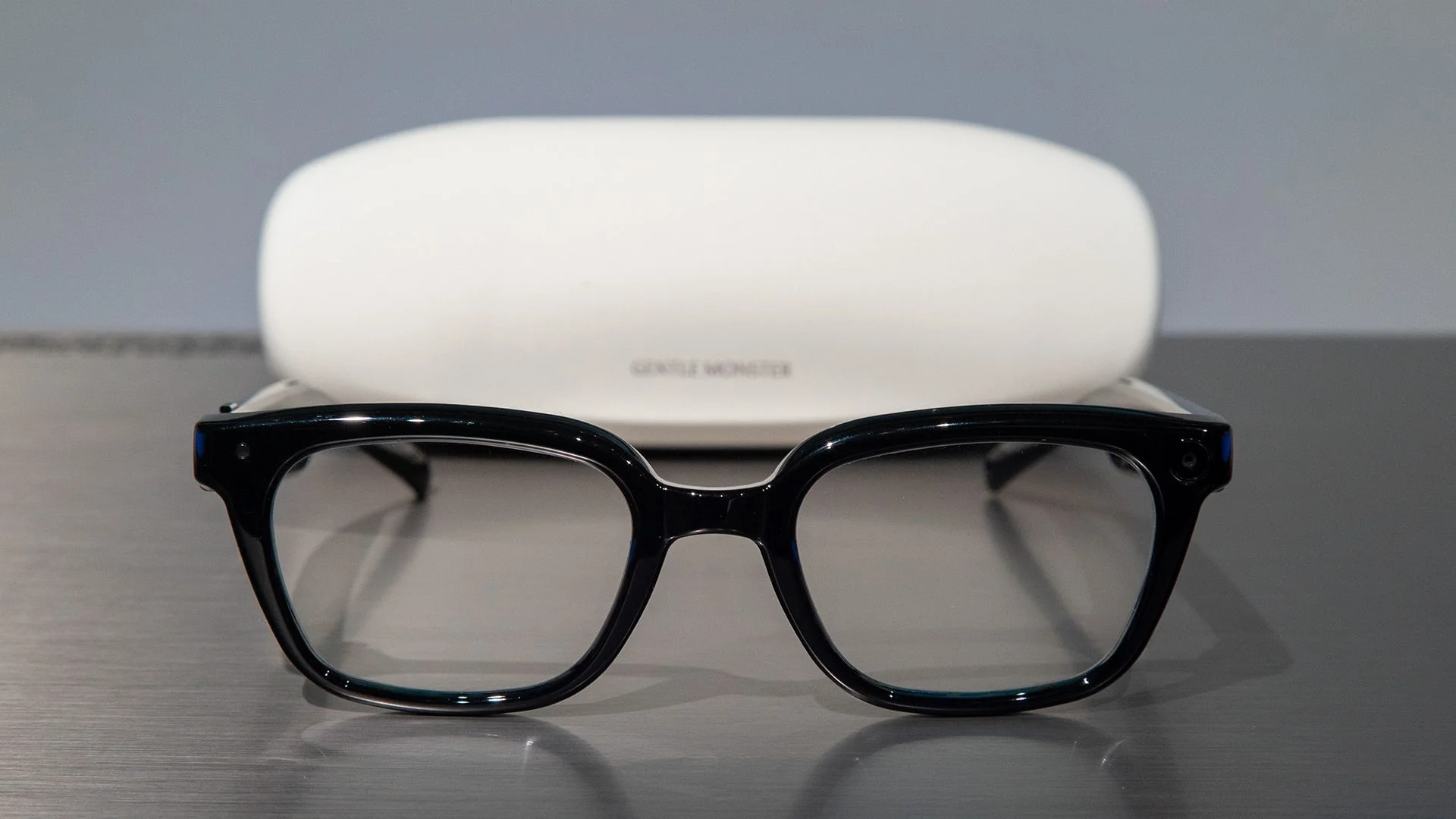
Samsung developed the frames with Warby Parker and Gentle Monster, putting design at the center of the product’s pitch. The glasses use Qualcomm’s Snapdragon AR1 Gen 1 and are intended to work alongside a Galaxy phone, rather than replace one. That setup places them in the companion-device category: their usefulness will depend partly on what they can do with a phone already in the user’s pocket.
The choice of eyewear partners points to a practical challenge for smart glasses. A device worn on the face has to feel acceptable as clothing as well as function as technology. Warby Parker and Gentle Monster bring recognizable frame design to the collaboration, but the available details don’t explain how much the styles differ, what fitting options buyers will have, or how the electronics affect everyday comfort. Those questions are central to whether people wear the glasses routinely instead of treating them as a novelty.
The Galaxy connection also sets expectations. Buyers will likely evaluate the glasses not only as a standalone product, but as part of an experience tied to a compatible phone. That can make the device more useful for existing Galaxy customers while narrowing its appeal for people outside that ecosystem. The announcement doesn’t spell out the full feature set, so the hardware platform and phone relationship offer only an outline of what the glasses are meant to be.
What the launch can prove
That positioning makes the launch a test of whether Android XR eyewear can earn a place as a companion device. The November 12 preorder date gives buyers a first concrete milestone; holiday delivery will show how quickly Samsung and Warby Parker can turn the collection into a product people wear daily. This is more significant than it looks: glasses are unusually personal hardware, and a technically capable product still has to fit into ordinary routines.
Here’s the thing: the launch date alone won’t answer whether the category has lasting appeal. Buyers will have to decide whether the glasses provide enough value to justify wearing another connected device, while the companies will need to make the experience feel natural alongside a phone. And this is the part most people overlook: a polished frame can attract attention, but repeat use depends on the product being comfortable and useful once the novelty wears off.
If you’re working in this space, the initial release is a useful signal about how Samsung and its partners are approaching the category: through familiar eyewear brands and a phone-linked product, rather than a device positioned to replace the smartphone. That said, the announcement leaves major practical details open, including the full capabilities and the exact delivery timing. A first collection. The preorder window is now clear; the product’s everyday case still has to be made.